Is Bitter Better for Pacifying Pitta?

“I read online that for pitta people, particularly in the summer time, in order to keep things cool, bitter things are good. So I ordered a bitter ghee preparation called “pancha tikta ghritam” and I started using it on an empty stomach first thing in the morning. I Screenshot 2015-07-17 08.34.01immediately developed nausea and felt like I had a hangover. It felt like instead of pacifying my pitta, it aggravated it? Can you please address this? If ayurvedic texts and experts say that bitter is good for pitta then why did it not help me?

Also, how should I take care of my pitta in the summer? I read your article on cooling pitta in the summer and it gave a different approach. You were recommending sweet things like rose petal preserve. Is the sweet taste enough for pacifying pitta in the summertime? Can you please comment on this?

Thank you,

Christina P. “


Vaidya answers:


In Ayurveda we acknowledge six total possible tastes. Verse #171 from Bhava Mishra’s Bhavaprakash, lists them in hierarchical order:

Screenshot 2015-07-17 08.41.09


madhur or sweet

amla or sour

lavana – salty

kattu – pungent

tikt or bitter

and kashaya or astringent


As the verse explains, these tastes are hierarchical in the sense that the first 3 pacify vata dosha, and last three pacify kapha. In roseaddition, “kashaya” astringent, “tikt” or bitter, and “madhur” or the sweet tastes pacify pitta. So, in theory, to say that the bitter taste is pacifying for pitta is correct. Based on the ayurvedic ancient texts, the 3 tastes: astringent, bitter, and sweet, pacify pitta. However, knowledge needs to be applied. In practical situations, many times, knowledge needs to be adapted to specific conditions.

It looks like in the process of pacifying your pitta dosha, you aggravated your vata dosha. To address your situation, I would like to highlight two major aspects according by referring to the same text, the same shastra-s.

Based on my experience as an ayurvedic expert practicing in the West for the past almost 20 years, in 90% of situations where pitta was aggravated, it was a case of also high agni, or digestive and metabolic fire element in the body, particularly in the digestive system.

When kledak kapha (the balancing kapha subdosha in the stomach that keeps things moist and lubricated) goes low in the stomach, then saman vata (which also resides in the stomach area) also gets aggravated.

When Samana Vata is aggravated, it pushes udana vata (that resides in the chest) more forcefully upwards and then one experiences nausea. In such scenarios, in most cases, wherever pitta is aggravated, vata also gets aggravated. 4a231211045c5acc78116d272b472fe0

Thats why there are three options in terms of rasa, or taste, for pacifying pitta. Those three tastes as indicated in the shastra-s are: astringent, bitter and sweet. Practically speaking, you have to choose among those three, based on the specific condition or situation.

Verse #171 says that the first three rasa-s or tastes: madhur (sweet), alma (sour) and lavan (salty) pacify vata dosha. So madhur or sweet rasa pacifies both vata and pitta, and that’s why I personally use madhur rasa or the sweet taste to pacify pitta in the summer time. With rose – and intelligent rather than dumb or dead sweets loaded with preservatives and synthetic chemicals such as white sugar – and sweet juicy seasonal fruits like pears, blueberries and blackberries, as well as a little amla or sour rasa like orange, or lime, one can work wonders for pitta and vata. Of course, the sour taste has to be in moderation, specially in the summer time, because it contains more agni, and can thus aggravate pitta as well. It has to be in balance in minimal quantities in relation to the sweet taste.


Another point to consider comes up in verse number #190 that says:


Screenshot 2015-07-17 08.41.33


The bitter rasa, or bitter taste, can aggravate vata. That’s why, when you consumed that bitter ghee to pacify your pitta dosha, it aggravated your samana vata and udana vata, resulting in nausea. So you see, theory or just knowledge are not enough. In practical daily applications of the knowledge, we need to have acquired skills and have guidance to know how to use that knowledge for optimal results. Even though the texts prescribe the bitter taste for pacifying pitta, if we follow the text without considering actual conditions, we will end up aggravating pitta further. I learnt such practical applications of the ayurvedic shastra-s while interning with my father in our family practice in India. I am always happy to share what I learnt during those years as well as in my life experience as an ayurvedic healer, since the opportunity to intern with ayurvedic experts is much more hard to come by in the western cultural context. I thank you for your question as it has given me the opportunity to clarify a crucial point for all.

Vaidya answers your questions: Castor oil for joint pain? and Prakrit and Triphala differences

What’s the Difference between Prakrit and High Pitta Triphala?tsmith_100408_0680__34675__19544.1339638061.1280.1280

John S.

What is the difference between what Triphala or Pitta Triphala Tablets do for the digestive system and what do Prakrit Tablets do for the digestive system ?

And are there conditions where both are suggested to be taken?

Thank you for your wonderful formulations.


Vaidya:

Dear John: All triphala formulas support the overall intelligence of the colon. There are a myriad imbalances that can affect the smooth functioning of the colon; whenever anyone is experiencing mild imbalances in their daily bowel discharge, then the triphala formula helps correct it by re-establishing  theintelligence of the colon, and thus supporting bowel evacuation.

That’s the operating principle behind this classical triphala formulation, unlike other natural or synthetic laxatives, in that it does not “force” and take over the colon to bring out a bowel movement, rather it re-initiates the natural functioning and intelligence of the colon so it can resume its own work.


But in my experience as a Vaidya here in the West, even the gentle classical triphala formula, made up of the 3 fruits (tri+phala): Amla (Indian gooseberry), Haritaki,(Terminalia chebula), and Bhibhitaki (Terminalia bellirica), may prove to be too harsh for some high pitta constitutions!


For high pitta body types, and all severely pitta aggravated people in general, even the natural warmth of the fully matured Haritaki seems to be too much to handle. For them, I had to put together a unique SVA Formulation. I call it “Triphala for High Pitta.” In addition to Haritaki, image descriptionBhibhitaki, and Amla, I have added Rose and Fennel. But I also use the almost mature, not fully mature fruit of Haritaki  in this formulation, in addition to the organic rose extract and fennel that are synergistically infused to cool pitta. The rose and fennel are a pitta type’s best friends, they pacify the pitta dosha so that the remaining ingredients can initiate the bowel cleanse without aggravating and irritating the pitta. High pitta body types are prominent in the western world, and countless SVA clients have benefited from this High Pitta Triphala formulation.


Prakrit, on the other hand, is used when Triphala is unable to help. The Ayurvedic texts explain in great detail that there are very many types and natural predispositions to bowel movements. In general, when people tend to have chronic slow bowel movement, along with a lack of communication betweenPrana Vata, that governs the mind, and Apana Vata that governs the colon, then I use Prakrit to help correct it. Prakrit is a unique SVA formulation that contains  a specific kind of the haritaki fruit. There are seven different species of the haritaki fruit, for the Prakrit formulation, I use the best one, called vijiya haritaki -“victorious haritaki.” I use vijiya haritaki collected from dense forests in the same season it matures, not from past seasons. I then infuse it with medical grade castor oil in homeopathic dosage – below 0.01 %,  weight by weight – in order to support and enhance the ability of haritaki through the prabhava of the castor oil. Castor oil is a laxative but even short term usage can cause dependence if used in large quantities or in its raw physical form. The amounts I use are only for processing, and do not take over the colon’s intelligence, but rather support it, by enhancing the properties of Haritaki.

Castor Oil for Joint Pain?

Hello,

I have a question regarding oils.  I attended an Ayurveda workshop on oils and was advised that Castor Oil is very effective on various types on pain.  I confirmed this with another practitioner and she too advised that Castor oil can be applied daily.  After applying Castor oil on my feet for a few days, I did feel a lot of pain relief, but instead of being cleansed, I became very clogged.  My digestive system almost came to a halt.

Second question regarding oils again – In the workshop, the practitioner mentioned using Avocado and Sesame oil in equal proportion for pain relief. Kindly advise if this is a good combination for pain relief.  I have joint pain that gets aggravated often.  Kindly advise any home remedies.


Thank you and best regards.

Dolly

castor-oil-and-bean

Vaidya responds:

Dear Dolly: in my personal opinion, castor oil should only be used occasionally, and not on a regular daily basis, as long term use can results in nerve damage – as castor oil is a confirmed neurotoxic substance.


As a formulator, I use Castor oil in minimal quantities and only in very specific formulations. Many people have asked me how come I use Castor oil as an ingredient in my Prakrit Tablet formulation?


In contemporary Ayurveda, as well as in the SVA tradition, we use many toxic ingredients or elements for healing benefits; however, such ingredients have to be ayurvedically processed and treated through the proper samyog and samskar: samyog means proportion with proper combination with other ingredients, and samskar means proper processing with other ingredients. The samyog and samskar steps are in addition to two more steps:

a) nirmali karan,

b) amriti karanNirmali karan  means the contaminants in that herb are removed, the plant is cleansed; amriti karan means the toxic substance is transformed through distinct steps into an amrit – a substance that benefits the physiology on many levels, and gives overall life support.

Through Ayurveda then, we can transform a toxic ingredient into a life-giving nectar. However, how beneficial or poisonous it is for the body depends on how correctly we prepare and process it. Specific knowledge with regards to processing, combining, and preparing many such plants and herbs were taught to me by my father, and passed down for countless generations in my SVA lineage.


In SVA formulations with known toxic ingredients, such as Castor oil in the SVA Prakrit Tablets, I use a specific method called guna dhan. Guna dhan is the process of infusing the specific prabhava. Prabhava is the specific effect of the herb or product beyond its post-digestive effect. Once the product has been completely physically processed, digested, and assimilated, it carries a subtle property called prabhava. For example, in the case of Castor oil, its prabhavais virechana, this means it carries a specific way of eliminating toxins by supporting the bowel movement. 

In the case of the SVA Prakrit tablets, for example, the bio-chemical potency of the castor oil molecules gets infused into the Haritaki fruits at the micro-molecular and vibrational levels.

What does this mean? In practical terms, only the “intelligence” of the ingredient, of Castor oil, is yoked to or synergistically combined with the Haritaki, to boost and support the properties of the Haritaki itself.


Castor oil is a known neurotoxic substance. When used over a long period of time in large amounts in its raw or crude form either as a plant or oil, whether ingested or used transdermally, it can create dependence – the body comes to depend on it to perform its own automatic functions, such as the daily evacuation of the bowels. I use only 0.01% medical grade Castor oil in Prakrit, in additional to the full ayurvedic processing protocols to transform Castor oil into a nectar, so any side-effects are further totally mitigated. This way, only the shukshmabhag or subtle micro-molecules of the ingredient play a role in terms of the prabhava, the ultimate most subtle post-physical action.


Here is an alternative SVA remedy for your joint pain.


SVA Home remedy for Joint Pain

I would like to suggest the following home remedy for your joint pain:vitexnegundo


Take  4 oz. of good quality preferably organic sesame oil, add:

1/2 oz. Nirgundi (Vitex negundo) leaf

1/4 oz. Black pepper – ground

1/4 oz. Dry ginger powder


Mix together in a small pot and boil for two minutes. Then use a cheesecloth to strain out the spices and herbs. In the filtered oil, add an equal part of sweet almond oil, then add  5 drops of camphor essential oil, 10 drops of peppermint essential oil, pour into an airtight container, and store for a day to let the formula settle. You can then use this oil to massage your knees and all achy joints, not more than twice a day, morning and evening. This will be a safe and effective oil for your joints. It will not only open the macro and micro channels to release all toxins that are causing inflammation and resulting in pain, but it will also nourish your joints and nerves. Let me know how you like it. Of course, coupling any external local application of herbal formulations will give you best results if you are also keeping a good alkaline anti-inflammatory diet. You can read more about the benefits of the SVA alkaline diet onwww.vaidyamishra.com/blog where I recommend avoiding the neurotoxic family of nightshades (tomato, potato, eggplant, and bell peppers), along with soy, flax, etc. You will then have even better results. Thank you.

This Summer, Make More Ojas to Keep Pitta in Check!

“Hi! Am having a tough time with dehydration/cooling off this summer. Wondering if there is a pitta pacifying product I can add to my water to help with this. I had been adding lemon juice, but a friend told me it aggravates pitta. Is this true?

Anyway, thanks!

Tamara K.”


Vaidya Mishra responds:

Dear Tamara, yes this is true that for a pitta type individual lemon juice can be pitta aggravating, however, we have very many tips for pitta pacification, specially, for this time of the year.


In the SVA tradition, we understand that pitta individuals, by nature, naturally receive more fire, more agni, more power of transformation from the environment. But what is “pitta”? According to the shastras, pitta dosha is made of fire and water: agni and jal. In SVA, we know that Pitta dosha is fire predominant, but we also understand that it contains liquid soma to balance its fire out. The fire and water together make up the pita, in other terms, the fuel, needed by the body, t perform its transformations. The liquid fuel that is needed to run things and transform gross physical material into energy and other forms, that is pitta. Pitta can get imbalanced by having either too much agni or too much soma.

Screenshot 2015-06-26 13.56.46

When summer is here, and we are literally closer to the sun, there is naturally more agni in the environment. Summer time is pitta aggravating time, specially for pitta individuals. In general, all body types need to take care of their pitta dosha as well, but pitta individuals particularly so, as they receive agni more readily than vata and kapha types.


In the process of balancing and keep pitta dosha in check, many recipes and tips are given, but the channels are usually overlooked. In SVA, we pay great importance to the health and overall state of the physical and vibrational channels, the srota-s and nadi-s. Nothing will work, no dosha pacification or balancing will have an effect, unless the channels are in good condition and able to carry physical or subtle materials all over the body. I speak at great length about the channels in many of my articles and videotaped courses.


But practically speaking, in your case, the first thing you need to do is keep your vibrational and physical channels in balance, so that the fire in your body is able to be equally distributed, and evenly balanced in all organs and systems. When pitta is stuck due to narrow or blocked channels, it will accumulated in a location or an organ, cause and imbalance, and then your whole body becomes prone to further imbalance involving one or more doshas!  In order to keep your channels in good health, DGL is your best friend! DGL is deglycyrrhizinated licorice – licorice from which the glycyrrhizin has been removed. Glycyrrhizin is the chief sweet-tasting constituent of the Glycyrrhiza glabra (licorice) root. Structurally it is a saponin. The most widely reported side-effects of glycyrrhizin use is oedema (water retention). Vaidya Mishra explains that with water retention, we also retain toxins, or ama, so he recommends the use of of only DGL or Deglycyrrhizinated licorice, for its cooling and pitta pacifying properties.


What you should do to keep pitta dosha in check:

1)  apply DGL roll-on or transdermal cream as well as SuperSport ssroll-on or transdermal cream on your lower spine at night. Do a quick massage for your arms and legs before shower – daily if possible, otherwise 3-4 times per week – with Pitta Oil with Magnesium.


2) Eat four to five times a day: as soon as you wake up, have stewed pears cooked with 1-2 cloves.  If you don’t like sweets (sometimes high pitta people prefer to have protein in the morning) then you can have eggs if you are not vegetarian; otherwise some fresh home-made paneer cooked with a pitta pacifying masala mix. This will be your pre-breakfast meal. Then have full breakfast with for example: almond milk, quinoa flakes along with rose petal preserve (1 tsp.).

rose

3) Rose is your next best friend as a high pitta! Rose pacifies all five pitta sub-doshas: ranjak, pachak, sadhak, bhrajak, alochak. You can adopt my SVA pitta tea which is balanced to cool off pitta without freezing agni. Add 1/2 teaspoon of the pitta tea mixture to 6 ounces of water, bring to a boil, cool off, and drink.


4) Eat lots of pitta pacifying foods, like: zucchini or summer squash; adopt all coconut recipes – see my SVA Health channel on YouTube; have fresh coconut water from a mature coconut – not the young green ones.

pittamasala

5) Make all your meals pitta pacifying by using pitta balancing ingredients and spices. Use SVA Pitta Masala – you can dry pre-toast this and carry with you and sprinkle on food you eat.


6) During summertimes, make sure you to regularly consume a rehydration drink – see my recipe below.


7) Otherwise: try to avoid exposure to sunlight during the hot hours of the day – between 10am and 2pm. You can also use my SVA  Surya Shanti cream before going out, it contains sandalwood along other ingredients to keep you cool inside out.


8)  Wear sunglasses, preferably polarized, to protect your eyes from the sun and keep alochak pitta in check.


9) Don’t eat your lunch past twelve o’clock. Before lunch and dinner, in between meals, carry and eat sweet juicy fruits like apples, blueberries, cherries, etc.


10) Sprinkle Soma Salt and Mum’s Masala on your food. Soma Salt is the most cooling of all salts. Salt can be highly pitta aggravating yet it is a necessary ingredient, and supports digestion as well. Soma Salt will give you the benefits without the aggravation. Mum’s Masala will help keep your metabolism on track. The most immediate imbalance that most pitta individuals experience is high pitta low agni, where you experience appetite without satiation and keep craving different tastes but are not able to satisfy yourself. Mum’s Masala will keep thing in check.


11) Make sure to have enough protein:  for dinner, after a hot day, it is highly balancing for a pitta type to consume a good easy to digest nourishing protein dish. Try my Green Protein Recipe, cooked with paneer or chicken; or any chicken dish cooked with pitta masala. As a high pitta, you have to feed yourself enough protein to keep things cool in your body. When you use a good pitta balancing masala along with protein, you target all five pitta sub-doshas.

12) Do not delay dinner: eat early dinner, but don’t forget to drink at least 4 oz of milk before bed. You can blend it with a date. Otherwise you can also do a glass of fresh almond milk with 1/2 tsp. of rose petal preserve before going to bed. Do not add the SVA Rose Petal Preserve to milk as it will curdle it. My Rose preserve recipe is made to balance pitta and vata so it contains some sour elements that may curdle the milk.

vetiver

12) Vetiver is a wonderful aromatic herb used for cooling in the summer time. You can use the SVA Vetiver soap to cool down your cellular system, particularly at night after a long hot day.


Pitta season or the summer season could be very tough for pitta predominant people, or pitta aggravated people. By following some or all of these tips, you will not only “conquer” the summer season, but you will actually enjoy it. Your open channels will receive agni, but you will receive and carry enough soma to cool and nurture your physiology. Even in the summer time there is a lot of soma prana available to us at night after the sun sets. This way, both soma and agni energies will support each other, and because soma is main raw material for ojas (watch video here) your body will make lots of ojas. Soma is the raw material for ojas, and agni is the power of transformation. So aim for making lots of ojas this summer!


About Ojas

Raw material for Ojas is Soma.

Origin: From every transformational gaps, from the sukshma bhag of sukra and directly transferred from soma to ojas by dehaagni.

Srota and Circulation: Ovaha Srotas

Types of ojas: Param and Apar Ojas

Functions: Ojas is the connecting factor between every organ and system, connecting the inner physiology and the outer world; vital functions of the heart: Param Ojas is the glue between the Soul and the heart; keeps vata, pitta and kapha in balance.


About the Pitta Sub-Dosha-sstomach

Pachaka Pitta: Helps digest food; that is the main subdosha for pitta, and that it is located in the stomach. Pachaka Pitta is the fuel for pachaka agni (also called jatharagni), the flame that will “cook” the food.  Wherever there is pitta there is a “burner”, which is sandhi, a transformational gap where all transfomation actually takes place; in other words, it is the place where liquid pitta – which has been traveling in the body in the form of fuel ( i.e liquid soma + agni ) – is transformed for the “burner” or sandhi, into the “flame” of pure fire, agni – specifically, in the stomach into pachaka agni, which is needed to cook the food. The burner has the power to automatically produce the quantity of flame needed, and the sandhi or burner is transforming the liquid pitta in the form of fuel into flame. The food is then cooked by the “flame” (i.e, not by the liquid pitta, the fuel)

Liver-illustration

Ranjaka Pitta: Ranjaka Pitta is the fuel for the liver, and it has 5 burners or agnis. After the process of digestion of ahar, food, the plasma – or rasa dhatu –  is formed. The plasma is then “vibrationally recharged,” thereby giving the vibrational raga or “melody” to the blood – specific for that person. In other words, ranjaka pitta transforms the plasma to make blood containing the vibrationally intelligent attributes specific to that individual (e.g their blood type and other specific blood factors).


Sadhaka Pitta :  is the emotional pitta that helps us to transform or digest our emotional challenges by providing the sangyan, awareness. Sadhaka also means sadhana (spiritual practice), so sadhaka pitta has both emotional as well as spiritual aspects.


eyesAlochak Pitta : it is located in the eyes and helps you to see and feel – not just the physical sight – it is “seeing” or clearly perceiving what is real from the depth of your Consciousness. This governs the entire system of sight and perception, and it also connects us with the Light of the Soul and the mind. It connects what we see outside with the Sattva and the mind; for example, if we see a tiger and a statue of one, the actual tiger will give us the actual perception of the tiger and the statue will tell us you of its essence – this is what alochaka pitta provides for us.


Bhrajaka Pitta: Vaidya calls brajaka pitta “cellular pitta,” because it also helps to transform the cellular system.  When thbrajaka pitta gets aggravated by anything irritating  – either synthetic or natural – shleshaka kapha helps to cool and lubricate the skin and cellular system, in order to try to pacify this aggravation. That is because when bhrajaka pitta is high, it can burn shleshaka kapha, thereby causing vyana vata to become aggravated and out of control. Thus, high bhrajaka pitta causes burning, it burns shleshaka kapha, creating a condition of dryness and itching of the skin.


Re hydration Drink

Ingredients:

16 oz. lukewarm spring water Fresh mint in closeup

1 tbsp. organic raw sugar

1/8 tsp. soma salt

1/8 tsp. roasted ground cumin

Juice of 1 whole lime

6 chopped peppermint leaves

2 pinches of nutmeg powder


Instructions: Mix altogether and drink.

Is SV Ayurveda a Yoga?

The United Nations has declared June 21st “International Day of Yoga” – and out of the 193 member countries of the UN, 192 will be holding collective yoga sessions on that day. More than the gentle exercise of succeeding postures that result in overall physical and mental benefits for health, yoga is primarily the practice of union, as its Sanskrit root “yog” indicates. Union between what and what?

Patanjali’s Yoga Sutras, the most famous sourcebook of yoga elaborates on the meaning of this “union.” The opening verse states:

Screen Shot 2015-06-19 at 3.22.40 PM


Yoga is: the cessation of the activity (vrtti) of the mind (citta). Yoga harnesses the mind for the purpose of re-establishing it in its-self, as the ensuing verse states:


Screen Shot 2015-06-19 at 4.06.24 PM


The idea of the observer (drastuh) turning the gaze to the “svarup” or one-self, one’s own self, is the essence of vedic teachings and can be found in all the sister vedic sciences, such as Ayurveda, and is particularly highlighted in Vaidya Mishra’s ayurvedic SVA lineage. There is not doubt about the health benefits of yoga. But nowhere is this more evident than in this favorite verse of Vaidya Mishra:


Screen Shot 2015-06-19 at 3.21.12 PM


This verse translates into: “Health results when the self is established in its-self.” All of SV Ayurveda is driven towards theScreenshot 2015-06-19 17.31.52 practical application of this yogic formula: re-turning the self towards the self, bringing ourselves back home to ourselves, re-uniting ourselves with ourselves. But what does this mean?

In practical SVA terms, Vaidya explains this as the union between the mind and the satwa, or the “light of the soul.” If we were to picture our souls, we would see them as self-effulgent gems reverberating with eternal light. The light aura that surrounds our souls carries powerful life-force, or prana. The mind can be in state of connectedness or disconnectedness with that light. When it is disconnected, it gets led astray by the senses and their objects. When it is connected to this light, and grounded by it, then its actions are life, health, and evolution supporting.

Vaidya Mishra’s SV Ayurveda is geared towards driving the self back to its-self through the full panoply of ayurvedic practices: herbs, diet, routine, marma therapy, transdermal applications, etc, because the disconnection of the mind from the satwa results in theScreenshot 2015-06-19 17.14.44 greatest ill-health, also known as: “pragyaparadh.” This can be roughly translated into the “greatest mistake of the intellect.”

The Charak Samhita, the sourcebook of Ayurveda, says: “dhi drithi smriti brahmsaha it pragyaparadha.” What is this “mistake” of the intellect? It is when “dhi dritti and smritti” or the “gathering, storing and recall of information” – primary tasks of the mind, are not working in harmony. When the mind is literally fighting against itself, then it is in a state of pragyaparadh, then an individual is unable to keep proper coordination between manas or thinking, vacha or speech, and karmana or action. Charak Samhita further says: “pragyaparadh tridosha prakopanam,” pragyaparadh unsettles all 3 doshas of the body, inducing certain dis-ease and illness. Disease has its root in the healthy functioning of the mind. The mind can only be healthy when it is in close harmony with itself, basking in the light of its own satwa!

When the mind is not established in its-self, or as Vaidya Mishra would say, in its own “satwa,” the light of its soul, then it gets carried away by the horses, the senses, and is in an unhealthy un-yogic state. When the mind is a-yogic, then it can be led astray into destructive activities that do not support the 3 pillars of life: a) diet or ahar; b) sleep or nidra; c) brahmacharya or life-supporting code of conduct, resulting in further pain and suffering.

600_Samadhi_Transparent_Arjuna_SuperSport__81392.1405388964.1280.1280

SV Ayurveda has many simple and quick yogic techniques to induce the state of yogic self-effulgent joyful peace, where the mind is connected to its own satwa and enjoys endless wave upon wave of bliss.

SVA Marma Massage, in particular the Samadhi Set, have been put together by Vaidya to give the immediate experience of this yogic experience through the science of marma touch, sound therapy, aromatherapy, as well as herbs. The Samadhi Set brings together 5 different modalities to draw the mind back in. The marma points that are selected – tala hridiya, kant, sthapani – are key points that support the mind’s re-turn upon its source, while simultaneously opening the heart lotus to allow its full light to reverberate to the mind. The wild-horses, or senses, are pacified, without having to force them violently. See the article on “Samadhi Set” on www.vaidyamishra.com/blog

Vaidya Mishra also teaches the special advanced technique of kurma pacification. The kurma is the energetic turtle that Screenshot 2015-06-19 17.29.02resides in the lower abdomen. It it the reservoir of soma. It is also the root of the lotus that blossoms in the heart.

In addition to the kurma and the heart lotus, Vaidya Mishra also talks at length about the “bramharandra” or the primary gateway of prana into our body, the thousand-holed pranic filter that is located at the top of heads, that lets in just enough cosmic pranic energy suited to each individual’s physiological needs.

The objective of all yogic practices is to induce more prana. Prana is what we all thrive on. A yogic settled state of silence bliss ushers in waves of pranic energy, grounding us in total mental, physical, emotional, and spiritual health.

You can now let that peaceful joy unfold in your heart through Vaidya Mishra’s Samadhi Set, or one of his many other SVA modalities for enhanced yogic bliss and balance!

SVA Samadhi Marma

Ayurvedic Support for Daily Yogic Practice through the Transdermal Marma System

Experience the bliss of the Heart Lotus Blossom

What is Samadhi?
Samadhi is a Sanskrit word made up of two roots: sama + dhi. Sama means equally distribute, in equal proportions; and dhi refers to buddhi, or the intellect. Vaidya Mishra says: “ Samadhi is the balanced coordination between mano buddhi and satya/satwa buddhi, between the mind and the “ Light of the Soul”. The Vedic texts distinguish between “mano buddhi” or the logical aspect of the intellect that deals with day to day needs, and “satya buddhi” or the spiritual intellect. “Satya buddhi” is one of the six gunas or properties characterizing an individual’s “light of the soul”, or “satwa”. The Heart Lotus, is an energytic vibrational locus in the middle of the chest that houses the “satwa”.

It has 6 properties (gunas):
Buddhi (intellect)
Prayat na (effort)
Sukha (happiness)
Dukha (sorrow)
Iccha (desire)
Dwesha (aversion)

What are the primary factors that disturb samadhi?
Environmental disturbances of Prana (life-force) that affect the body’s own pranic health
Improper flow or circulation of Prana within the body in the micro and macro channels results in lack of communication between the different subtle bodies
Unresolved past grief and trauma shuts down the heart lotus resulting in lack of mind/body/heart coordination
Current mental stress distracts the mind from settling down and going inwards to experience finer levels of awareness and bliss.
The distracted nature of the “wild horses” (senses) that interfere with the mind’s communication with the “satwa” or the  “light of the soul” seated in the “ Heart Lotus”.

How does SVA support the experience of Samadhi?
The ancient sages of India who cognized the properties of herbs and spices characterized some as “divine,” because they created a balanced chemistry in the physiology attuning it for attaining more refined states of satwic consciousness. The samadhi set readies the physiology for deeper restful experiences by infusing it with calming, soothing and nurturing properties from divine ayurvedic herbs applied on marma points to enhance the flow of prana and support the experience of higher states of consciousness. When an individual experiences samadhi, or a state of ultimate restful awareness, chemical stressors cannot affect the body and cause it to degenerate. Vice versa: when the physiology is chemically balanced, the experience of higher states of consciousness is facilitated.

The Samadhi Set:
Consists of three herbalized creams that are applied on specific marma points (with the option to choose between Arjuna and Ashoka ) to support and enhance yogic experiences-coordinated functioning between mind, heart and soul.
Arjuna (Terminalia Arjuna), supports the physical and emotional heart and gives strength to overcome emotional challenges;
Ashoka (Saraca Ashoka), supports the release of grief (from a-shoka- no shoka/grief).
Brahmi (Centella asiatica and/or Bacopa monnieri) : Brahmi coordinates between and strengthens dhi, dritti, and smritti, the different aspects of the intellect.
Tulsi (Ocimum or Basilicum sanctum) balances/enhance the coordination between the senses and the mano buddhi (mind).

What are Marmas?
Marma translates as “energy point”. There are a total of 107 points in one body (besides the spine). Marmas are specific points on the physiology where the physical and subtle body meet. They respond to the sense of touch. They are loci of Prana, the universal energy of Nature. Vaidya Mishra calls marma points “ switches” that turn on (or off) the flow of universal intelligence in the body, and thus support or repress life. Through the Marma System ™ we can address different stresses and imbalances in the physiology on various levels: physical, emotional, mental, vibrational. The Marma System ™ administers balancing energy on different levels simultaneously making it vary safe, powerful and effective.

How does it work?
There are five levels:

  1. Vibrational sound therapy – as we apply the cream on a marma point we silently repeat a sound cluster (mantra) that targets specific levels or organs.
  2. Transdermal delivery ( herbal delivery through the skin) – herbs are micro-molecules and upon application on the skin they cross the blood barrier and are delivered to specific locations;
  3. Marma energetics – the creams are applied on specific energetic (marma) points on the body that are connected to specific locations;
  4. Aroma therapy- the creams are formulated with specific flower and herbal scents that will help pacify the mind and soothe the emotions;
  5. Touch therapy – as an integral part of the Transdermal Marma System ™ (TMS ™), these creams are applied on specific marmas before any yogic or spiritual practice. Touching the prana in that marma point, cleansing the marma point of any vibrational clogging that might be causing an imbalance.

How to do it – three simple steps in less than 5 minutes:

Close your eyes and breathe gently and as deeply as possible during the following steps:

  • Apply a small amount of Arjuna or Ashoka cream on the center of your palms and soles of the feet if possible ( Talahridiya marma). Lightly touch the marma with your ring finger and turn clockwise 7-21 times in circles slightly larger than the size of a quarter. Now, use your left thumb to press lightly on the point for 10-15 seconds. Repeat the entire process on the opposite hand and foot. 600_Samadhi_Transparent_Arjuna_SuperSport__81392.1405388964.1280.1280
  • Apply brahmi cream just below the wrist bone on the pulse area. Lightly go back and forth with your ring finger, covering the area of two inches for 15-20 seconds or so. Then lightly hold for 10-15 seconds. Repeat on the left wrist.
  • Apply tulsi cream on Staphani marma (point between eyebrows). Circles must be very light with no pressure. Do 7, 14, or 21 times, then hold the finger on that point gently for about 10-15 seconds. now apply tulsi on center of the throat notch at the base of the throat (Kanta Marma). Circle 7-21 times very lightly for about 10-15 seconds.
  • Rest with eyes closed for a few minutes and breathe deeply but gently in. Proceed to your yogic practice – this also constitutes a calming yogic practice and can be done on its own, morning or evening.

Balance Pitta Without Aggravating Vata


“Greetings,
Which one of your tea formulas is most appropriate for morning tea before breakfast? tsmith_100323_0489__61520__28845.1405389402.1280.1280
I am a pita with slight vata imbalance.
LOVE every product I ever purchased from you, except the Triphala ghee, the aroma is unpleasant to me.
Thank you
Alan”
Dear Alan: you should start your day with SVA Pitta Tea. This SVA Pitta Tea is a unique formulation. In general, all pitta tea recipes in mainstream Ayurveda that I have examined or tasted carry primarily a cooling/freezing effect. They try to pacify pitta dosha by cooling it off but end up freezing it and thus imbalancing it! This can cause further imbalances because in the process of pacifying pitta by cooling it off, vata can get aggravated. So most pitta pacifying teas out there in the ayurvedic market are vata aggravating! However, my SVA Pitta Tea will pacify pitta dosha and keep vata dosha in check too. The secret is in the herbal synergy that will keep the balance and harmony between vata, pitta, kapha and all 15 sub-doshas that govern the channels and the power of transformation in the tissues. Let me give you an ingredient-wise description.
 th
Fennel:  gently stimulates the pacha agni without heating it, and coordinates the effects of all the other herbs;
Rosebuds: are particularly cooling for sadhaka pitta (the pitta
governing the heart and emotions); Sadhak pitta and pachak pitta work in close harmony as you know;
Rose hips: add flavor, open the “heart lotus” and pacify sadhaka pitta;
Rosemary: opens the channels of the “dehagni” (cellular metabolism) and helps connect
heart and mind; it carries just enough heat to keep things running smoothly without aggravating pitta dosha;
Indian Sarsaparilla, cools and cleans meda dhatu (fat tissue) which holds heat in the body;
Pushkarmool: pacifies pitta and clears the lung channels;
DGL (Deglycyrrhized licorice):  pacifies pitta in all the organs as well as the cellular systems, especially pitta in the stomach;
Tej patta, (cinnamon leaf) increases the intelligence of the pancreas, liver and spleen, and is less heating than cinnamon bark;
Parijat, Lord Shiva’s favorite flower, helps the pitta physiology by making it more intelligent, so the body#39DGL does not receive too much agni from the environment.
Licorice is a great pitta pacifying herb acknowledged in Ayurveda. But nowadays, because the liver has to handle too many toxins from the environment, as well as from the food we consume, the liver is unable to process the “glycyrrhizin” that is found in the licorice liver. When the liver cannot handle it, the glycyrrhizin increases sodium retention in the body. This is why crude licorice has a high risk of raising blood pressure for individuals that are prone to that condition. Or it can create other sodium related diseases. This is why, in my SVA Pitta Tea, as well as all my other SVA formulations, including all the SVA transdermal creams, I never use the crude licorice herb, but always only  deglycyrrhizinated or Deglycyrrhized (also spelt “deglycerize” licorice (DGL).

Gain Fat and Strengthen Bones

“Respected sir,
I am 38/F/5’2″, wt. 44 kg, mother of two kids, having lean and thin body. Facing problem of cracking sound in bones. I have vitamin D and magnesium deficiency. Tried Ashwagandha and shatavari for 2 weeks but got acne on forehead and chin. Please suggest how to gain good fat and strengthen bone.
Thanks in advance.
Aanya”
 
Dear Aanya: try to incorporate and follow the SVA Diet which consists of all only homemade food cooked with Mum’s ghee and Soma Salt. Make sure you get the Green Protein recipe on our SVA youtube channel (https://www.svayurveda.com/recipes/notorious-green-protein/) You can make the SVA Green Protein in either in its vegetarian version with homemade cheese, or the non-vegetarian version with chicken. Otherwise, here are some general tips to help ground your body type:
Do a self-massage with Vata Oil with Vitamin D and Magnesium every other day.
Use the Vitamin D Transdermal cream – apply on the lower back and on the pulse twice daily.
Incorporate some gentle pranayam or breathing exercise into your daily routine.
Take at least a 15-20 minute exposure to sunlight everyday.
Do the Samadhi set before meditation, or prayer.
Balance your rest and activity schedule so that you get some down time after every 2 hours of activity.
Make milk-date shake and drink it every night before bed. BDSDTB-img7oil milk with a couple cardamom pods, a stick of cinnamon; take off from heat, pour into a blender and add 1-2 pitted medjool dates and blend. Drink warm When prepared correctly and consumed regularly it will nourish and support your physiology in many ways.
Apply Super-Sport roll-on or Transdermal Cream followed by Bone Herb Transdermal cream wherever you experience cracking bones.
 Add Soma Cal capsules do your diet: one in the morning and one in the afternoon after lunch.
The whole logic here is that when Vyana vata goes out of balance, then we experience cracking bones. When Vyana vata is high – Vyana vata supports cellular circulation all over the body – then shleshak kapha goes low. Shleshak kapha lubricates the cellular system, as well as our joints, large and small joints all over the body. Doing massage with Vata pacifying verbalized oil will pacify Vyana vata, or your cellular vata. The Vitamin D in the oil will nurture the shleshak kapham, and the transdermal magnesium you will absorb from the oil will help you metabolize and use the calcium from the Soma Cal capsules more efficiently. This will help the Vyana vata aggravation of your joints, and the popping sound will go away, because magnesium will enhance the absorption of Vitamin D and Calcium.
Adding and eating extra protein and ghee in your diet will help pacify Vyana vata further, and support shleshak kapha.
Remember: doing too much physical activity without enough rest is aggravating to vyana vata and burns off shleshak kapha unduly. For your body type, you need to do gentle physical activity, and definitely adopt a gentle kind of yoga exercise.
So you see, you have to address your issue from all possible angles: diet, activity, nutritional supplementation, then only, eventually, specific ayurvedic herbs, such as the Bone Herb (Cissus quadrangularis), which has a specific effect on nurturing and supporting the health of the bone tissues and the joints, then only will it truly help you. This is the holistic SVA approach. This will not only address your imbalance but will make you feel more energetic and blissful overall. Thank you.

Kulthi and Weight Loss


“Hi
I just want to know about kulthi. Does it help you to lose weight? How long does it take to lose weight? How much can you lose weight in a month? Do you know anyone who lost weight by eating kulthi? Any information will be greatly appreciatedsvakulthi__86145__53922.1405391430.1280.1280
Many Thanks
Alia”
Dear Alia: weight gain is a symptom which can originate in many etiological factors. Kulthi can help with weigh loss if somebody’s physical channels are not doing good, they are clogged or narrowed, etc, and due to that reason, the individual is experiencing metabolic disturbance – not able to fully breakdown and digest meals – and is thus gaining weight. For that person, kulthi will help.
Otherwise, kulthi is a dietary recommendation for weight loss programs when an individual follows a specific protocol for weight loss, tailored for their own hetu or own etiological factor. In that condition as well, kulthi is a big help.
Another reason, in general, kulthi is a good addition to diet for weight loss, is that it carries a very low glycemic index, very low glycemic load, and very few calories. It is also, in ayurvedic terms, very agneya, or fiery in nature – this means it supports and enhances the digestive fire or pachak agni, as well as the metabolic fires, or dhatu-agni-s, making sure that no ama or semi-digested material is left over from a meal, that can result in weight gain or other imbalances.
Kulthi grows in very sunny areas, so it inherently carries a lot of the energy of the sun. It also grows on rocky areas, and is endowed with the ability to break the macro-molecules of amavisha and garavisha, helping clean and clear the circulatory channels and resulting in overall good health.
Let me give you a specific recipe for kulthi which may help you in losing weight:
Kulthi with Garcinia Masala:
I have formulated three kinds of garcinia masala: for vata, pitta and kapha. Usually in weight gain situations, shleshak kapha can go high, but sometimes due to channel blockage, vyana vata can also go high, and due to a hot liver and hot stomach, pitta can go high too. That’s why we have three kinds of garcinia masala (available atwww.chandika.com), and you can choose accordingly the vata, pitta or kapha one.ffgarciniavata__37108.1406231839.1280.1280
2 oz. of kulthi soak overnight in hot water
Next morning rinse and filter
Add 4 pinches of turmeric
1/2 teaspoon of your choice of SVA Garcinia Masala
 – Do not add salt ahead of time –
Assemble all above ingredients in a pot, cover and cook for 20 minutes
At the end: add salt and ghee
Sometimes kulthi takes lots of time to cook because of its hard rocky nature. In order to remedy this, add the kulthi in a coffee grinder and break it down and then soak it overnight and then cook. Have this kulthi dahl 2 or 3 times a week.

Heartburn and Stress

“Hi,

From past few days I have been suffering with heart burning sensation, its getting severe after brushing in the morning, so immediately after brushing am unable to take anything. Even if I drink water its not coming down. And one more thing, when I eat burps are not coming when they are supposed to. After I finish my meal they are coming and that too with acid reflux. with this reflux my heart is burning like a fire. Please please please…suggest me a solution.
Thanks in advance
Shravan K.”
Dear Shravan K: based on the detail you give us, you should not delay consulting with a professional medical doctor at your earliest convenience, but there are a few ayurvedic tips you can try which may help you. Ayurveda identifies this problem of acid reflux and heart-burn, and calls it “amla-pitta” or “sour- pitta.” According to ayurvedic physiology, the stomach is the moe of “pachak pitta.” You can understand “pachak pitta” as being the “fuel” for “pachakagni, the flame in your stomach, which helps digest your food through cooking it. Due to different reasons depending on each individual, that pachak pitta becomes imbalance and highly acidic. Many factors can make packak pitta acidic: in addition to diet, stress can be a major factor in making the stomach sour. th
Stress increases “prana vata.” Prana vata mainly governs the mind. When Prana Vata  becomes aggravated, all other four vata subdosha-s may also get affected: udana (in the chest), samana (in the stomach), apana (in the lower abdomen), vyana vata (overal circulation).
When Prana vata gets aggravated, udana vata goes high and starts to flow too much upwards or goes downwards instead of going upwards – that’s when you may experience no burping after a meal.  Then this imbalances samana vata, which resides in the stomach. Samana Vata is a key vata subdosha that maintains the balance between udana vata and apana vata. When it gets imbalances, then both vata-s also go off. When samana vata is aggravated by prana-vata, acidic pitta crosses the barriers of its home and starts to flow up. That’s when one experiences the heartburn, the acidity in the oesophagus, in the upper area of the stomach.
In SV Ayurveda, the first thing we do is identify the “hetu,” or etiological factor, as the Charak Samitha teaches us: “hetu linga aushadi gyanam, swasthathur parayanam.” When we identify the root cause of an imbalance, instead of just trying to address or suppress the symptoms, then our treatment is already half way done. That’s why, in your case, we need to identify the root cause of your imbalance. In order to take care of the symptom of heartburn, we have to see what is causing it, what is the “hetu” or your problem. Here are some factors that could be at the root of your problem. You can take a look and see which ones apply to you.
Pachak pitta aggravating factors:
Skipping or delaying meals
Consuming acidic food and drink on empty stomach like coffee, sour cream, vinegar.
Consuming lots of acidic food (food that contains too much lemon, vinegar, or soy sauce, etc)
Eating too spicy food like red chillies, pickles, etc
Drinking alcohol
Going to bed late
Waking up late
Drinking soft drinks with your meals
Eating leftovers
Overeating
Prana vata aggravating factors:
Eating dry food like chips, crackers, popcorn
Eating less protein
Eating less good fat in your diet
Going to bed late
Too much EMF exposure – too much TV or computers for extended hours
Lack or proper rest: not following a good rest and work routine
What you can do:
Among all these listed etiological factors, see which one(s) apply to you and try to avoid those hetu-s or root causes.
Then, to pacify pachak pitta, start eating your meals on time. Start your day with some stewed pears. Eat this as soon as you wake up. An hour or so later, you can make some quinoa flakes with homemade almond milk for breakfast. Have lunch – on time – around 12 o’clock. Make sure your lunch is all homemade. Choose a grain – rice, millet, quinoa. Have some small lentils (mung or masoor). Have some summer squashes (zucchini or yellow crookneck squash) cooked with SVA Pitta Masala. Loki will also be very good. Have some sweet protein between lunch and dinner, such as homemade paneer cooked with pitta masala, around 3 pm.
Then make a tea with ½ teaspoon of SVA Pitta Tea, boil it in 6 oz of water. Have this after lunch.
Or you can make your own tea with the following ingredients:
Assemble:
2 pinches of DGL powder (available at www.chandika.com)
2 Rose buds
½ teaspoon of dry toasted fennelrose-buds1
Make and have this tea twice a day. Make fresh batches daily. Do not make and store and drink overnight.  Also, carry some dry toasted fennel with you and chew after breakfast, lunch and dinner.
Apply DGL Transdermal cream (available at www.chandika.com ) on the abdominal area after lunch and dinner.
For prana vata pacification, apply Super-Sport roll-on or cream on the lower spine. This will open your “shushumna nadi” – the vibrational channels in your spine, and then the aggravated prana vata will receive more support to flow in and flow properly instead of getting blocked.  When prana vata is balanced, udana vata will also get balanced, and then samana will ground udana and apana, ensuring proper bowel movements as well. Otherwise, if apana is blocked nothing will work.
To support your bowel movement, “Triphala for High Pitta” will be your best choice. 1-2 capsules at night. Also, Pitta Massage Oil, which contains all pitta pacifying herbs, in addition to magnesium. This will cool-off the cellular pitta and open the whole body channels, pacifying as well the vyana vata.
As you can see, this is holistic protocol for amla pitta – you have to address your sour stomach from all possible ayurvedic angles. Refer to article on bowel movements (prakrit…) But again I would like to request for you to see a medical doctor as soon as possible. Sometimes, if alma pitta is too imbalanced and building up too much acidity, it burns off the balancing factor in the stomach, the “kledak kapha,” and that will create local inflammation, and potentially eventually ulcers. So you must see and check with a medical doctor who will be able to scan things out, and see what s/he tells you about the current state of your stomach, and follow their recommendations for immediate help. Then you can start to slowly incorporate ayurvedic changes in your diet and lifestyle by identifying the ones that apply to you. Hope this helps.

Ayurvedic Perspective on Pain Management


Whether chronic or short-term, pain affects more than a 100 million Americans today. We tend to suppress or ignore mild pain, because we need to keep going with our deadlines! That is, until pain comes back to haunt us, becomes chronic and disrupts our routine, our sleep, our lives. Pain management experts in our culture use different remedies ranging from medication to surgery. But most of the time, the pain either persists, or resurfaces in different ways, turning into a life-long condition.
Ayurveda acknowledges all kinds of pain and categorizes the types and sources accordingly. It is an in-depth topic and needs to be handled holistically. With SV Ayurveda, we use the classical texts for reference, the SVA lineage for its practical experience, and my personal experience of teaching and working with Ayurveda in the West for the past 20 years.

Pain can go by different names in Ayurveda:

-Vedana

-Peeda

-Tod

-Ruja

-Shool
In general, there are 2 main categories:


1. NIJ: biological or internal pain that originates from within the body. This could be due to doshic imbalances or accumulation, toxic build-up, inflammation, etc. A sedentary lifestyle, ongoing mental stress, a poor diet, etc can all contribute to bodily imbalances that can result in pain.

2. AGANTUJ : pain that originates from without or outside the body which includes: xenobiotics or exposure to toxic chemical fumes; events that cause physical and mental trauma; EMF or other electromagnetic fields that disrupt the physiology’s subtle flow of prana, as well as clog and damage the physical channels, tissues, and organs. 
Based on the hetu, the etiological factor of pain, the above conditions can create pain in four possible areas of our bodies:


in the shrotas or physical channel,

in the nadi-s vibrational channels,

in the angas, organs and organ systems,

in the the dhatus or tissues.
Based on the ayurvedic shastras, dis-ease goes through several stages of gestation before it reaches its final 6th irreversible stage. Similarly, unaddressed minor pain travels from one dhatu or tissue to another, diving deeper into the physiology, until it becomes chronic and may be impossible to address without major medical or surgical intervention. The deeper pain is allowed to travel, the more difficult it becomes to treat as it involves more aspects of our physiology. For example, when the pathogenic factors, whatever they might be, reach the bone marrow, this is the case for cancer conditions, then it becomes very difficult to manage even with the most powerful pain management processes of modern medicine.
 With SV Ayurveda, we categorize the management of pain into easy steps.

A) First find the hetu, the root cause of pain. Hetu-based or etiological-factor based assessment, whether created by the imbalance in the doshas (vata, pitta, kapha), or the subdoshas (5 vata, 5 pitta, 5 kapha), or resulting from blocked detox channels, due to ama, or amavisha. First determine whether the inflammation the individual is experiencing was created by external trauma; or garavisha (xen

obiotics); or is it due to the wear-and-tear in the channels; or is EMF disturbing the vibrational channels, sandhi-s or gaps? Or are the marma points clogged and toxically loaded?

In general, aching superficial overall pain means blockage or inflammation in the rasa and rakta channels or nadi-s, sandhi-s, whereby which marma points become compromised.  There are many ways of addressing this. Changing one’s diet and adjusting the work/rest routine are always recommended, but there are also herbs that can help through transdermal detox to alleviate pain. The following SVA management tips normally work very well, particularly in the presence of toxins, or imbalances, given that they have not gone beyond the mamsa dhatu or muscle tissue. I will discuss things further during our upcoming SVA cafe in the third week of June 2015. But, for now, the following protocol is safe and effective for general aching pain. Please note: any individual experiencing long term chronic pain, or known to carry a disease or condition resulting in pain must consult with their physician before adopting this or any SVA protocols or products.
General Body Aches: Use my “Detox and Relax bath pouches.” Massage your body with Vata massage oil with Magnesium and Vit D. Leave it on for 20 minutes, then take a bath with the bath pouches. Soak in for 10-15 minutes, then shower. This will help burn away and eliminate the ama of the physical channels, releasing the toxins from the body into the bath water.
The detox bath pouches contain magnesium, but not just that. The magnesium that we use is not just magnesium chloride from a natural source, but it is synergistically blended with different ayurvedic herbs that give it added potency. Magnesium has three unique properties: it nourishing , detoxifying and according to Ayurvedic principles, it also acts as a “yogwahi,” in other terms, it has sharp penetrating molecules that help it travel deep, specially when combined with other herbs, into deeper tissues, for deeper

 cleansing. This is why the SVA Detox and Relax bath pouches uses Magnesium along with the other ingredients, such as:
Moringa Oleifera leaf powder : a great detoxing and nurturing leaf with a long list of health-balancing properties

Lavender (Lavandula Officinalis) to relax

Neem (Azadirachta indica) for deeper and holistic cellular detox
Indian Kino leavesIndian Sarsaparilla (Hemidesmus indicus) to pull out toxins from the fat tissue
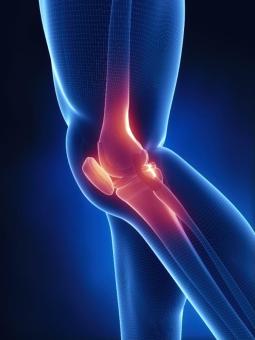
Turmeric with magnesium,  turmeric balances the sharpness of magnesium, and magnesium helps take turmeric deeper into the tissues for detox
Likewise all my magnesium formulas: the Pitta oil with magnesium, the Vata oil with Magnesium and Vit D, the Ashwagandha oil with Magnesium all are based on Ayurvedic principles. You can read more on www.chandika.com
After the bath, apply DGL cream on specific areas like the calf muscles, or the joints.  First try DGL followed by SuperSport cream or roll-on. DGL will neutralize the inflammatory tendencies, and SuperSport will open the channels further and release the toxins that are causing the pain. 
Joint Pain:  use DGL and Maha Kanchanar cream. Apply on all joints and massage in gently in a circular movement twice a day.
Ayurvedic pharmacopeia offers a wide range of herbs that are used to address pain. When combined together into a synergistic blend, they can have a more potent effect for acute pain. I have gathered these herbs into one formula, currently called “HN Cream.” It can be used all over the body – except sensitive areas such as the eyes, ears, or open orifices –  on the knees, calf muscles or any painful area.
The HN cream contains the following ingredients that have been scientifically studied to carry specific pain relieving properties.
Gandh Prasarini  

Botanical name: Paederia Foetida

Properties: Anti-inflammatory, Antispasmodic, Anticancer, Hepatoprotective
This plant is very powerful vata pacifying herb. It cleans the blood tissue and pacifies shleshak kapha. It opens the channels and binds the toxins, taking them out. It also repairs the wear-and-tear of the channels created by the toxins. It’s most unique property is that it is three-dosha pacifying, nurturing the channels and reestablishing their intelligence.

Nirgundi

Botanical Name: Vitex nigundo

Properties: Anti-inflammatory, analgesic
This ingredient is particularly helpful for pacifying Vyana vata and Sleshaka kapha. It pacifies through cleansing the cellular system, relieving it of pain through its anti-inflammatory action, and by reestablishing the intelligence of the channels.

Sensitive plant

Biophytum Sensitivum Linn.

Anti-inflammatory, diuretic, sedative and tonic properties, antimicrobial

Sensitive Plant repairs the nerves, addresses inflammation by taking care of purifying the blood, and repairing cellular damage.
Brahmi

Bacopa Monnieri

Properties: For anxiety, backaches, joint pain, anti-stress

There are two brahmi plants, with distinct properties. One is called “mandukparni.”This is known as “gotu kola.” The other is Bacopa monnieri, also called “aindri.” Both are good for detoxifying the cellular system, and reestablishing its intelligence. Brahmi is particularly good for the nervous system, to help it calm down, and thus prevent inflammatory pain that may be resulting from stress.
Holy basil 

Ocimum Tenuiflorum

Analgesic, anticancer, antidiabetic, anti-stress, antifungal, for coughs, headaches, skin disorders, common cold
The Ayurvedic shastras know this plant to be light in its cellular property as well as warming. It thus burns the excessive sliminess of the channels, supporting the digestive and metabolic fire to burn away the ama or semi-digested food material. At the same time, it evacuates toxins. This herb is considered a divine healing herb in Ayurveda, it helps connect the vibrational and physical channels for optimal communication when used on the marma points. Its properties are enhances when used along with peppermint, ajwain, and camphor.


Peppermint

Mentha Piperita

Properties:  Anti-microbial, antioxidant, antiallergic

Increases cellular agni , burns ama, clears the channels, pacifies kapha and vata, and relieves pain associated with those doshas.
Ajwain 

Trachyspermum Ammi

Properties: Antibacterial, nematicidal
The Shastras explain that there can be no pain without vata aggravation, no vata aggravation without blockage in the physical and vibrational channels. Ajwain is very famous for burning away physical ama which blocks the physical channels, creatingpain. Ajwain pacifies vata and kapha, helps digestion food better, so no ama is made through  improper digestion. Ajwain has the power go to the deepest level of cellular system, to cleanse and reset things.
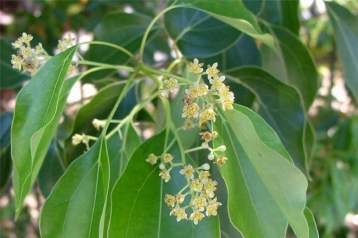
Camphor

Cinnamomum Camphora

Properties: Relives pain, reduces itching, counterirritant, anti-inflammatory, anti-oxidative


Being pungent and bitter, with a sweet after-effect, Camphor is perfect for pacifying  sleshak kapha and bhrajak pitta together. It carries the unique property of pulling out toxins from the cellular system, and that’s how it cools off the cellular system. It also opens the physical channels and supports the vibrational channels, due to its unique channel-opening quality.
At our last SVA Conference this May, course participants became very fond of the HN cream. They applied it for aches and pain on marma points as well as on their joints, shoulders, neck area. It is a very potent cream that is versatile in its use. Help us find a good name for it, enter our Namkaran competition. See below for more details.
Learn more about pain and its management at our upcoming SVA Cafe in June. See you at the Prana Center in Chatsworth California, or join us over the phone, live!