SVA Samadhi Marma

Ayurvedic Support for Daily Yogic Practice through the Transdermal Marma System

Experience the bliss of the Heart Lotus Blossom

What is Samadhi?
Samadhi is a Sanskrit word made up of two roots: sama + dhi. Sama means equally distribute, in equal proportions; and dhi refers to buddhi, or the intellect. Vaidya Mishra says: “ Samadhi is the balanced coordination between mano buddhi and satya/satwa buddhi, between the mind and the “ Light of the Soul”. The Vedic texts distinguish between “mano buddhi” or the logical aspect of the intellect that deals with day to day needs, and “satya buddhi” or the spiritual intellect. “Satya buddhi” is one of the six gunas or properties characterizing an individual’s “light of the soul”, or “satwa”. The Heart Lotus, is an energytic vibrational locus in the middle of the chest that houses the “satwa”.

It has 6 properties (gunas):
Buddhi (intellect)
Prayat na (effort)
Sukha (happiness)
Dukha (sorrow)
Iccha (desire)
Dwesha (aversion)

What are the primary factors that disturb samadhi?
Environmental disturbances of Prana (life-force) that affect the body’s own pranic health
Improper flow or circulation of Prana within the body in the micro and macro channels results in lack of communication between the different subtle bodies
Unresolved past grief and trauma shuts down the heart lotus resulting in lack of mind/body/heart coordination
Current mental stress distracts the mind from settling down and going inwards to experience finer levels of awareness and bliss.
The distracted nature of the “wild horses” (senses) that interfere with the mind’s communication with the “satwa” or the  “light of the soul” seated in the “ Heart Lotus”.

How does SVA support the experience of Samadhi?
The ancient sages of India who cognized the properties of herbs and spices characterized some as “divine,” because they created a balanced chemistry in the physiology attuning it for attaining more refined states of satwic consciousness. The samadhi set readies the physiology for deeper restful experiences by infusing it with calming, soothing and nurturing properties from divine ayurvedic herbs applied on marma points to enhance the flow of prana and support the experience of higher states of consciousness. When an individual experiences samadhi, or a state of ultimate restful awareness, chemical stressors cannot affect the body and cause it to degenerate. Vice versa: when the physiology is chemically balanced, the experience of higher states of consciousness is facilitated.

The Samadhi Set:
Consists of three herbalized creams that are applied on specific marma points (with the option to choose between Arjuna and Ashoka ) to support and enhance yogic experiences-coordinated functioning between mind, heart and soul.
Arjuna (Terminalia Arjuna), supports the physical and emotional heart and gives strength to overcome emotional challenges;
Ashoka (Saraca Ashoka), supports the release of grief (from a-shoka- no shoka/grief).
Brahmi (Centella asiatica and/or Bacopa monnieri) : Brahmi coordinates between and strengthens dhi, dritti, and smritti, the different aspects of the intellect.
Tulsi (Ocimum or Basilicum sanctum) balances/enhance the coordination between the senses and the mano buddhi (mind).

What are Marmas?
Marma translates as “energy point”. There are a total of 107 points in one body (besides the spine). Marmas are specific points on the physiology where the physical and subtle body meet. They respond to the sense of touch. They are loci of Prana, the universal energy of Nature. Vaidya Mishra calls marma points “ switches” that turn on (or off) the flow of universal intelligence in the body, and thus support or repress life. Through the Marma System ™ we can address different stresses and imbalances in the physiology on various levels: physical, emotional, mental, vibrational. The Marma System ™ administers balancing energy on different levels simultaneously making it vary safe, powerful and effective.

How does it work?
There are five levels:

  1. Vibrational sound therapy – as we apply the cream on a marma point we silently repeat a sound cluster (mantra) that targets specific levels or organs.
  2. Transdermal delivery ( herbal delivery through the skin) – herbs are micro-molecules and upon application on the skin they cross the blood barrier and are delivered to specific locations;
  3. Marma energetics – the creams are applied on specific energetic (marma) points on the body that are connected to specific locations;
  4. Aroma therapy- the creams are formulated with specific flower and herbal scents that will help pacify the mind and soothe the emotions;
  5. Touch therapy – as an integral part of the Transdermal Marma System ™ (TMS ™), these creams are applied on specific marmas before any yogic or spiritual practice. Touching the prana in that marma point, cleansing the marma point of any vibrational clogging that might be causing an imbalance.

How to do it – three simple steps in less than 5 minutes:

Close your eyes and breathe gently and as deeply as possible during the following steps:

  • Apply a small amount of Arjuna or Ashoka cream on the center of your palms and soles of the feet if possible ( Talahridiya marma). Lightly touch the marma with your ring finger and turn clockwise 7-21 times in circles slightly larger than the size of a quarter. Now, use your left thumb to press lightly on the point for 10-15 seconds. Repeat the entire process on the opposite hand and foot. 600_Samadhi_Transparent_Arjuna_SuperSport__81392.1405388964.1280.1280
  • Apply brahmi cream just below the wrist bone on the pulse area. Lightly go back and forth with your ring finger, covering the area of two inches for 15-20 seconds or so. Then lightly hold for 10-15 seconds. Repeat on the left wrist.
  • Apply tulsi cream on Staphani marma (point between eyebrows). Circles must be very light with no pressure. Do 7, 14, or 21 times, then hold the finger on that point gently for about 10-15 seconds. now apply tulsi on center of the throat notch at the base of the throat (Kanta Marma). Circle 7-21 times very lightly for about 10-15 seconds.
  • Rest with eyes closed for a few minutes and breathe deeply but gently in. Proceed to your yogic practice – this also constitutes a calming yogic practice and can be done on its own, morning or evening.

Balance Pitta Without Aggravating Vata


“Greetings,
Which one of your tea formulas is most appropriate for morning tea before breakfast? tsmith_100323_0489__61520__28845.1405389402.1280.1280
I am a pita with slight vata imbalance.
LOVE every product I ever purchased from you, except the Triphala ghee, the aroma is unpleasant to me.
Thank you
Alan”
Dear Alan: you should start your day with SVA Pitta Tea. This SVA Pitta Tea is a unique formulation. In general, all pitta tea recipes in mainstream Ayurveda that I have examined or tasted carry primarily a cooling/freezing effect. They try to pacify pitta dosha by cooling it off but end up freezing it and thus imbalancing it! This can cause further imbalances because in the process of pacifying pitta by cooling it off, vata can get aggravated. So most pitta pacifying teas out there in the ayurvedic market are vata aggravating! However, my SVA Pitta Tea will pacify pitta dosha and keep vata dosha in check too. The secret is in the herbal synergy that will keep the balance and harmony between vata, pitta, kapha and all 15 sub-doshas that govern the channels and the power of transformation in the tissues. Let me give you an ingredient-wise description.
 th
Fennel:  gently stimulates the pacha agni without heating it, and coordinates the effects of all the other herbs;
Rosebuds: are particularly cooling for sadhaka pitta (the pitta
governing the heart and emotions); Sadhak pitta and pachak pitta work in close harmony as you know;
Rose hips: add flavor, open the “heart lotus” and pacify sadhaka pitta;
Rosemary: opens the channels of the “dehagni” (cellular metabolism) and helps connect
heart and mind; it carries just enough heat to keep things running smoothly without aggravating pitta dosha;
Indian Sarsaparilla, cools and cleans meda dhatu (fat tissue) which holds heat in the body;
Pushkarmool: pacifies pitta and clears the lung channels;
DGL (Deglycyrrhized licorice):  pacifies pitta in all the organs as well as the cellular systems, especially pitta in the stomach;
Tej patta, (cinnamon leaf) increases the intelligence of the pancreas, liver and spleen, and is less heating than cinnamon bark;
Parijat, Lord Shiva’s favorite flower, helps the pitta physiology by making it more intelligent, so the body#39DGL does not receive too much agni from the environment.
Licorice is a great pitta pacifying herb acknowledged in Ayurveda. But nowadays, because the liver has to handle too many toxins from the environment, as well as from the food we consume, the liver is unable to process the “glycyrrhizin” that is found in the licorice liver. When the liver cannot handle it, the glycyrrhizin increases sodium retention in the body. This is why crude licorice has a high risk of raising blood pressure for individuals that are prone to that condition. Or it can create other sodium related diseases. This is why, in my SVA Pitta Tea, as well as all my other SVA formulations, including all the SVA transdermal creams, I never use the crude licorice herb, but always only  deglycyrrhizinated or Deglycyrrhized (also spelt “deglycerize” licorice (DGL).

Gain Fat and Strengthen Bones

“Respected sir,
I am 38/F/5’2″, wt. 44 kg, mother of two kids, having lean and thin body. Facing problem of cracking sound in bones. I have vitamin D and magnesium deficiency. Tried Ashwagandha and shatavari for 2 weeks but got acne on forehead and chin. Please suggest how to gain good fat and strengthen bone.
Thanks in advance.
Aanya”
 
Dear Aanya: try to incorporate and follow the SVA Diet which consists of all only homemade food cooked with Mum’s ghee and Soma Salt. Make sure you get the Green Protein recipe on our SVA youtube channel (https://www.svayurveda.com/recipes/notorious-green-protein/) You can make the SVA Green Protein in either in its vegetarian version with homemade cheese, or the non-vegetarian version with chicken. Otherwise, here are some general tips to help ground your body type:
Do a self-massage with Vata Oil with Vitamin D and Magnesium every other day.
Use the Vitamin D Transdermal cream – apply on the lower back and on the pulse twice daily.
Incorporate some gentle pranayam or breathing exercise into your daily routine.
Take at least a 15-20 minute exposure to sunlight everyday.
Do the Samadhi set before meditation, or prayer.
Balance your rest and activity schedule so that you get some down time after every 2 hours of activity.
Make milk-date shake and drink it every night before bed. BDSDTB-img7oil milk with a couple cardamom pods, a stick of cinnamon; take off from heat, pour into a blender and add 1-2 pitted medjool dates and blend. Drink warm When prepared correctly and consumed regularly it will nourish and support your physiology in many ways.
Apply Super-Sport roll-on or Transdermal Cream followed by Bone Herb Transdermal cream wherever you experience cracking bones.
 Add Soma Cal capsules do your diet: one in the morning and one in the afternoon after lunch.
The whole logic here is that when Vyana vata goes out of balance, then we experience cracking bones. When Vyana vata is high – Vyana vata supports cellular circulation all over the body – then shleshak kapha goes low. Shleshak kapha lubricates the cellular system, as well as our joints, large and small joints all over the body. Doing massage with Vata pacifying verbalized oil will pacify Vyana vata, or your cellular vata. The Vitamin D in the oil will nurture the shleshak kapham, and the transdermal magnesium you will absorb from the oil will help you metabolize and use the calcium from the Soma Cal capsules more efficiently. This will help the Vyana vata aggravation of your joints, and the popping sound will go away, because magnesium will enhance the absorption of Vitamin D and Calcium.
Adding and eating extra protein and ghee in your diet will help pacify Vyana vata further, and support shleshak kapha.
Remember: doing too much physical activity without enough rest is aggravating to vyana vata and burns off shleshak kapha unduly. For your body type, you need to do gentle physical activity, and definitely adopt a gentle kind of yoga exercise.
So you see, you have to address your issue from all possible angles: diet, activity, nutritional supplementation, then only, eventually, specific ayurvedic herbs, such as the Bone Herb (Cissus quadrangularis), which has a specific effect on nurturing and supporting the health of the bone tissues and the joints, then only will it truly help you. This is the holistic SVA approach. This will not only address your imbalance but will make you feel more energetic and blissful overall. Thank you.

Kulthi and Weight Loss


“Hi
I just want to know about kulthi. Does it help you to lose weight? How long does it take to lose weight? How much can you lose weight in a month? Do you know anyone who lost weight by eating kulthi? Any information will be greatly appreciatedsvakulthi__86145__53922.1405391430.1280.1280
Many Thanks
Alia”
Dear Alia: weight gain is a symptom which can originate in many etiological factors. Kulthi can help with weigh loss if somebody’s physical channels are not doing good, they are clogged or narrowed, etc, and due to that reason, the individual is experiencing metabolic disturbance – not able to fully breakdown and digest meals – and is thus gaining weight. For that person, kulthi will help.
Otherwise, kulthi is a dietary recommendation for weight loss programs when an individual follows a specific protocol for weight loss, tailored for their own hetu or own etiological factor. In that condition as well, kulthi is a big help.
Another reason, in general, kulthi is a good addition to diet for weight loss, is that it carries a very low glycemic index, very low glycemic load, and very few calories. It is also, in ayurvedic terms, very agneya, or fiery in nature – this means it supports and enhances the digestive fire or pachak agni, as well as the metabolic fires, or dhatu-agni-s, making sure that no ama or semi-digested material is left over from a meal, that can result in weight gain or other imbalances.
Kulthi grows in very sunny areas, so it inherently carries a lot of the energy of the sun. It also grows on rocky areas, and is endowed with the ability to break the macro-molecules of amavisha and garavisha, helping clean and clear the circulatory channels and resulting in overall good health.
Let me give you a specific recipe for kulthi which may help you in losing weight:
Kulthi with Garcinia Masala:
I have formulated three kinds of garcinia masala: for vata, pitta and kapha. Usually in weight gain situations, shleshak kapha can go high, but sometimes due to channel blockage, vyana vata can also go high, and due to a hot liver and hot stomach, pitta can go high too. That’s why we have three kinds of garcinia masala (available atwww.chandika.com), and you can choose accordingly the vata, pitta or kapha one.ffgarciniavata__37108.1406231839.1280.1280
2 oz. of kulthi soak overnight in hot water
Next morning rinse and filter
Add 4 pinches of turmeric
1/2 teaspoon of your choice of SVA Garcinia Masala
 – Do not add salt ahead of time –
Assemble all above ingredients in a pot, cover and cook for 20 minutes
At the end: add salt and ghee
Sometimes kulthi takes lots of time to cook because of its hard rocky nature. In order to remedy this, add the kulthi in a coffee grinder and break it down and then soak it overnight and then cook. Have this kulthi dahl 2 or 3 times a week.

Heartburn and Stress

“Hi,

From past few days I have been suffering with heart burning sensation, its getting severe after brushing in the morning, so immediately after brushing am unable to take anything. Even if I drink water its not coming down. And one more thing, when I eat burps are not coming when they are supposed to. After I finish my meal they are coming and that too with acid reflux. with this reflux my heart is burning like a fire. Please please please…suggest me a solution.
Thanks in advance
Shravan K.”
Dear Shravan K: based on the detail you give us, you should not delay consulting with a professional medical doctor at your earliest convenience, but there are a few ayurvedic tips you can try which may help you. Ayurveda identifies this problem of acid reflux and heart-burn, and calls it “amla-pitta” or “sour- pitta.” According to ayurvedic physiology, the stomach is the moe of “pachak pitta.” You can understand “pachak pitta” as being the “fuel” for “pachakagni, the flame in your stomach, which helps digest your food through cooking it. Due to different reasons depending on each individual, that pachak pitta becomes imbalance and highly acidic. Many factors can make packak pitta acidic: in addition to diet, stress can be a major factor in making the stomach sour. th
Stress increases “prana vata.” Prana vata mainly governs the mind. When Prana Vata  becomes aggravated, all other four vata subdosha-s may also get affected: udana (in the chest), samana (in the stomach), apana (in the lower abdomen), vyana vata (overal circulation).
When Prana vata gets aggravated, udana vata goes high and starts to flow too much upwards or goes downwards instead of going upwards – that’s when you may experience no burping after a meal.  Then this imbalances samana vata, which resides in the stomach. Samana Vata is a key vata subdosha that maintains the balance between udana vata and apana vata. When it gets imbalances, then both vata-s also go off. When samana vata is aggravated by prana-vata, acidic pitta crosses the barriers of its home and starts to flow up. That’s when one experiences the heartburn, the acidity in the oesophagus, in the upper area of the stomach.
In SV Ayurveda, the first thing we do is identify the “hetu,” or etiological factor, as the Charak Samitha teaches us: “hetu linga aushadi gyanam, swasthathur parayanam.” When we identify the root cause of an imbalance, instead of just trying to address or suppress the symptoms, then our treatment is already half way done. That’s why, in your case, we need to identify the root cause of your imbalance. In order to take care of the symptom of heartburn, we have to see what is causing it, what is the “hetu” or your problem. Here are some factors that could be at the root of your problem. You can take a look and see which ones apply to you.
Pachak pitta aggravating factors:
Skipping or delaying meals
Consuming acidic food and drink on empty stomach like coffee, sour cream, vinegar.
Consuming lots of acidic food (food that contains too much lemon, vinegar, or soy sauce, etc)
Eating too spicy food like red chillies, pickles, etc
Drinking alcohol
Going to bed late
Waking up late
Drinking soft drinks with your meals
Eating leftovers
Overeating
Prana vata aggravating factors:
Eating dry food like chips, crackers, popcorn
Eating less protein
Eating less good fat in your diet
Going to bed late
Too much EMF exposure – too much TV or computers for extended hours
Lack or proper rest: not following a good rest and work routine
What you can do:
Among all these listed etiological factors, see which one(s) apply to you and try to avoid those hetu-s or root causes.
Then, to pacify pachak pitta, start eating your meals on time. Start your day with some stewed pears. Eat this as soon as you wake up. An hour or so later, you can make some quinoa flakes with homemade almond milk for breakfast. Have lunch – on time – around 12 o’clock. Make sure your lunch is all homemade. Choose a grain – rice, millet, quinoa. Have some small lentils (mung or masoor). Have some summer squashes (zucchini or yellow crookneck squash) cooked with SVA Pitta Masala. Loki will also be very good. Have some sweet protein between lunch and dinner, such as homemade paneer cooked with pitta masala, around 3 pm.
Then make a tea with ½ teaspoon of SVA Pitta Tea, boil it in 6 oz of water. Have this after lunch.
Or you can make your own tea with the following ingredients:
Assemble:
2 pinches of DGL powder (available at www.chandika.com)
2 Rose buds
½ teaspoon of dry toasted fennelrose-buds1
Make and have this tea twice a day. Make fresh batches daily. Do not make and store and drink overnight.  Also, carry some dry toasted fennel with you and chew after breakfast, lunch and dinner.
Apply DGL Transdermal cream (available at www.chandika.com ) on the abdominal area after lunch and dinner.
For prana vata pacification, apply Super-Sport roll-on or cream on the lower spine. This will open your “shushumna nadi” – the vibrational channels in your spine, and then the aggravated prana vata will receive more support to flow in and flow properly instead of getting blocked.  When prana vata is balanced, udana vata will also get balanced, and then samana will ground udana and apana, ensuring proper bowel movements as well. Otherwise, if apana is blocked nothing will work.
To support your bowel movement, “Triphala for High Pitta” will be your best choice. 1-2 capsules at night. Also, Pitta Massage Oil, which contains all pitta pacifying herbs, in addition to magnesium. This will cool-off the cellular pitta and open the whole body channels, pacifying as well the vyana vata.
As you can see, this is holistic protocol for amla pitta – you have to address your sour stomach from all possible ayurvedic angles. Refer to article on bowel movements (prakrit…) But again I would like to request for you to see a medical doctor as soon as possible. Sometimes, if alma pitta is too imbalanced and building up too much acidity, it burns off the balancing factor in the stomach, the “kledak kapha,” and that will create local inflammation, and potentially eventually ulcers. So you must see and check with a medical doctor who will be able to scan things out, and see what s/he tells you about the current state of your stomach, and follow their recommendations for immediate help. Then you can start to slowly incorporate ayurvedic changes in your diet and lifestyle by identifying the ones that apply to you. Hope this helps.

Ayurvedic Perspective on Pain Management


Whether chronic or short-term, pain affects more than a 100 million Americans today. We tend to suppress or ignore mild pain, because we need to keep going with our deadlines! That is, until pain comes back to haunt us, becomes chronic and disrupts our routine, our sleep, our lives. Pain management experts in our culture use different remedies ranging from medication to surgery. But most of the time, the pain either persists, or resurfaces in different ways, turning into a life-long condition.
Ayurveda acknowledges all kinds of pain and categorizes the types and sources accordingly. It is an in-depth topic and needs to be handled holistically. With SV Ayurveda, we use the classical texts for reference, the SVA lineage for its practical experience, and my personal experience of teaching and working with Ayurveda in the West for the past 20 years.

Pain can go by different names in Ayurveda:

-Vedana

-Peeda

-Tod

-Ruja

-Shool
In general, there are 2 main categories:


1. NIJ: biological or internal pain that originates from within the body. This could be due to doshic imbalances or accumulation, toxic build-up, inflammation, etc. A sedentary lifestyle, ongoing mental stress, a poor diet, etc can all contribute to bodily imbalances that can result in pain.

2. AGANTUJ : pain that originates from without or outside the body which includes: xenobiotics or exposure to toxic chemical fumes; events that cause physical and mental trauma; EMF or other electromagnetic fields that disrupt the physiology’s subtle flow of prana, as well as clog and damage the physical channels, tissues, and organs. 
Based on the hetu, the etiological factor of pain, the above conditions can create pain in four possible areas of our bodies:


in the shrotas or physical channel,

in the nadi-s vibrational channels,

in the angas, organs and organ systems,

in the the dhatus or tissues.
Based on the ayurvedic shastras, dis-ease goes through several stages of gestation before it reaches its final 6th irreversible stage. Similarly, unaddressed minor pain travels from one dhatu or tissue to another, diving deeper into the physiology, until it becomes chronic and may be impossible to address without major medical or surgical intervention. The deeper pain is allowed to travel, the more difficult it becomes to treat as it involves more aspects of our physiology. For example, when the pathogenic factors, whatever they might be, reach the bone marrow, this is the case for cancer conditions, then it becomes very difficult to manage even with the most powerful pain management processes of modern medicine.
 With SV Ayurveda, we categorize the management of pain into easy steps.

A) First find the hetu, the root cause of pain. Hetu-based or etiological-factor based assessment, whether created by the imbalance in the doshas (vata, pitta, kapha), or the subdoshas (5 vata, 5 pitta, 5 kapha), or resulting from blocked detox channels, due to ama, or amavisha. First determine whether the inflammation the individual is experiencing was created by external trauma; or garavisha (xen

obiotics); or is it due to the wear-and-tear in the channels; or is EMF disturbing the vibrational channels, sandhi-s or gaps? Or are the marma points clogged and toxically loaded?

In general, aching superficial overall pain means blockage or inflammation in the rasa and rakta channels or nadi-s, sandhi-s, whereby which marma points become compromised.  There are many ways of addressing this. Changing one’s diet and adjusting the work/rest routine are always recommended, but there are also herbs that can help through transdermal detox to alleviate pain. The following SVA management tips normally work very well, particularly in the presence of toxins, or imbalances, given that they have not gone beyond the mamsa dhatu or muscle tissue. I will discuss things further during our upcoming SVA cafe in the third week of June 2015. But, for now, the following protocol is safe and effective for general aching pain. Please note: any individual experiencing long term chronic pain, or known to carry a disease or condition resulting in pain must consult with their physician before adopting this or any SVA protocols or products.
General Body Aches: Use my “Detox and Relax bath pouches.” Massage your body with Vata massage oil with Magnesium and Vit D. Leave it on for 20 minutes, then take a bath with the bath pouches. Soak in for 10-15 minutes, then shower. This will help burn away and eliminate the ama of the physical channels, releasing the toxins from the body into the bath water.
The detox bath pouches contain magnesium, but not just that. The magnesium that we use is not just magnesium chloride from a natural source, but it is synergistically blended with different ayurvedic herbs that give it added potency. Magnesium has three unique properties: it nourishing , detoxifying and according to Ayurvedic principles, it also acts as a “yogwahi,” in other terms, it has sharp penetrating molecules that help it travel deep, specially when combined with other herbs, into deeper tissues, for deeper

 cleansing. This is why the SVA Detox and Relax bath pouches uses Magnesium along with the other ingredients, such as:
Moringa Oleifera leaf powder : a great detoxing and nurturing leaf with a long list of health-balancing properties

Lavender (Lavandula Officinalis) to relax

Neem (Azadirachta indica) for deeper and holistic cellular detox
Indian Kino leavesIndian Sarsaparilla (Hemidesmus indicus) to pull out toxins from the fat tissue
Turmeric with magnesium,  turmeric balances the sharpness of magnesium, and magnesium helps take turmeric deeper into the tissues for detox
Likewise all my magnesium formulas: the Pitta oil with magnesium, the Vata oil with Magnesium and Vit D, the Ashwagandha oil with Magnesium all are based on Ayurvedic principles. You can read more on www.chandika.com
After the bath, apply DGL cream on specific areas like the calf muscles, or the joints.  First try DGL followed by SuperSport cream or roll-on. DGL will neutralize the inflammatory tendencies, and SuperSport will open the channels further and release the toxins that are causing the pain. 
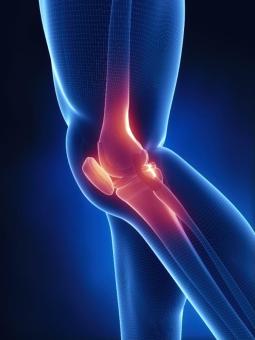
Joint Pain:  use DGL and Maha Kanchanar cream. Apply on all joints and massage in gently in a circular movement twice a day.
Ayurvedic pharmacopeia offers a wide range of herbs that are used to address pain. When combined together into a synergistic blend, they can have a more potent effect for acute pain. I have gathered these herbs into one formula, currently called “HN Cream.” It can be used all over the body – except sensitive areas such as the eyes, ears, or open orifices –  on the knees, calf muscles or any painful area.
The HN cream contains the following ingredients that have been scientifically studied to carry specific pain relieving properties.
Gandh Prasarini  

Botanical name: Paederia Foetida

Properties: Anti-inflammatory, Antispasmodic, Anticancer, Hepatoprotective
This plant is very powerful vata pacifying herb. It cleans the blood tissue and pacifies shleshak kapha. It opens the channels and binds the toxins, taking them out. It also repairs the wear-and-tear of the channels created by the toxins. It’s most unique property is that it is three-dosha pacifying, nurturing the channels and reestablishing their intelligence.

Nirgundi

Botanical Name: Vitex nigundo

Properties: Anti-inflammatory, analgesic
This ingredient is particularly helpful for pacifying Vyana vata and Sleshaka kapha. It pacifies through cleansing the cellular system, relieving it of pain through its anti-inflammatory action, and by reestablishing the intelligence of the channels.

Sensitive plant

Biophytum Sensitivum Linn.

Anti-inflammatory, diuretic, sedative and tonic properties, antimicrobial

Sensitive Plant repairs the nerves, addresses inflammation by taking care of purifying the blood, and repairing cellular damage.
Brahmi

Bacopa Monnieri

Properties: For anxiety, backaches, joint pain, anti-stress

There are two brahmi plants, with distinct properties. One is called “mandukparni.”This is known as “gotu kola.” The other is Bacopa monnieri, also called “aindri.” Both are good for detoxifying the cellular system, and reestablishing its intelligence. Brahmi is particularly good for the nervous system, to help it calm down, and thus prevent inflammatory pain that may be resulting from stress.
Holy basil 

Ocimum Tenuiflorum

Analgesic, anticancer, antidiabetic, anti-stress, antifungal, for coughs, headaches, skin disorders, common cold
The Ayurvedic shastras know this plant to be light in its cellular property as well as warming. It thus burns the excessive sliminess of the channels, supporting the digestive and metabolic fire to burn away the ama or semi-digested food material. At the same time, it evacuates toxins. This herb is considered a divine healing herb in Ayurveda, it helps connect the vibrational and physical channels for optimal communication when used on the marma points. Its properties are enhances when used along with peppermint, ajwain, and camphor.


Peppermint

Mentha Piperita

Properties:  Anti-microbial, antioxidant, antiallergic

Increases cellular agni , burns ama, clears the channels, pacifies kapha and vata, and relieves pain associated with those doshas.
Ajwain 

Trachyspermum Ammi

Properties: Antibacterial, nematicidal
The Shastras explain that there can be no pain without vata aggravation, no vata aggravation without blockage in the physical and vibrational channels. Ajwain is very famous for burning away physical ama which blocks the physical channels, creatingpain. Ajwain pacifies vata and kapha, helps digestion food better, so no ama is made through  improper digestion. Ajwain has the power go to the deepest level of cellular system, to cleanse and reset things.
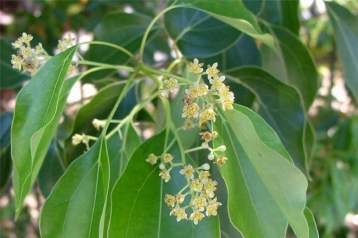
Camphor

Cinnamomum Camphora

Properties: Relives pain, reduces itching, counterirritant, anti-inflammatory, anti-oxidative


Being pungent and bitter, with a sweet after-effect, Camphor is perfect for pacifying  sleshak kapha and bhrajak pitta together. It carries the unique property of pulling out toxins from the cellular system, and that’s how it cools off the cellular system. It also opens the physical channels and supports the vibrational channels, due to its unique channel-opening quality.
At our last SVA Conference this May, course participants became very fond of the HN cream. They applied it for aches and pain on marma points as well as on their joints, shoulders, neck area. It is a very potent cream that is versatile in its use. Help us find a good name for it, enter our Namkaran competition. See below for more details.
Learn more about pain and its management at our upcoming SVA Cafe in June. See you at the Prana Center in Chatsworth California, or join us over the phone, live!

Blissful SVA Conference Weekend Re-Cap

 
Waves of SVA bliss rippled through the Warner Marriott Hotel in Woodland Hills, CA,  this past weekend! Students from all over theScreenshot 2015-05-14 14.46.03 world – India, the Philippines, Japan, Hawaii, Costa Rica, Canada, and numerous states in the US – eager to complete their education in SVA pulse assessment – came together to celebrate the culmination of Vaidya Mishra’s  9-month long Global Pulse and Marma E-Course.
The conference began Friday evening, May 8th, with mantras and a transcendent performance with Aditya Prakash, Sheela Bhringi, and Neelamjit Dhillon. After a group initiation into the SVA Healing Mantras with Vaidya Mishra on Saturday morning,  Dr. Marianne Teitelbaum delivered a powerful talk on the benefits of SVA Transdermal Magnesium detox and supplementation. The afternoon highlight was a highly informative talk by Sanskritist, Dr. Chris Minkowski, on historical and cultural origins of the Maga Brahmins, the Shaka island, in the context of the SVA Lineage. After an exquisite SVA gala dinner prepared by Chef Tony,  the Shakti Dance Company under the expert  artistic guidance of Mrs. Viji Prakash, delighted the audience with a  “Dance of the Pulse” – an original choreography where traditional Bharatanatyam vocabulary was interwoven with modern expressions of “abhinaya” = or narration, bringing alive the tissues of the body pulsating with Prana, the flow of life, and enacting the drama of strife between the mind, “manas,” the heart lotus or “hrit pundareek,” and the senses or the “indriyas.” The dancers concluded their performance to standing ovation with a celebratory piece enacting the blissful joy that flows from a totally healthy body, displaying total alignment between senses, heart lotus, mind, and body.Screenshot 2015-05-14 14.46.18
The Saturday evening festivities would not have been complete without the launch of Vaidya Mishra’s much anticipated cookbook! Rick Talcott guided us through the “making of an ayurvedic cookbook.” Weekend participants were a
able to have a first look at the sample cookbook on display. The cookbook will be available for purchase in a few weeks.
 On Sunday students broke up into practice groups to read eachother’s pulse. Dr. Mark Vinick also guided the audience into allocating and confirming the location of SVA marma points. Vaidya Mishra gave insights and more knowledge about pulse assessment, sharing additional tips and secrets.
The weekend came to an end with a beautiful ceremony, honoring the students and bestowing upon them the title of “pranavid” and “pranavidusi”-s, “knowers of Prana.” The conference then moved on to take a look at a work in progress, a short movie detailing the life of Vaidya Mishra from his village in Vaidyachak, India, to his travels in Europe and Asia, and his tours and courses in the US.
Rhadika Bhukory concluded the conference with her beautiful voice and songs of “Janani,” the Mother of the World, in celebration of this Mother’s Day weekend and the SVA conference.
Thank you to all who were able to attend and make and share this wonderful experience with Vaidya Mishra and his team. If you missed it, we will have the video recordings of the entire conference available shortly.
Also: all pictures of the conference will be posted and available for download and sharing. Stay tuned!

Why is Magnesium Necessary?

And why should you go the SVA Transdermal route? In a powerful enlightening talk, Dr. Teitelbaum presented her research at the SVA conference this past weekend – from helping with calcium levels in your body, to regulating your stress hormones and adrenal glands, magnesium plays a major role in our daily lives. Low levels of magnesium are the root cause behind a wide range of clinical chronic conditions. While oral magnesium supplementation can have its down sides and side-effects, transdermal absorption of magnesium is safe and highly effective over long term. The highlights of her talk will show you how and why!

Conditions Caused by Magnesium deficiency

Low levels of magnesium can result in many conditions, namely:

– cramping of the muscles, leading to

 — heartbeat arrhythmia

 — painful menstrual cycles

 — calf muscle pain (“Charlie horses”)

 — twitching of the eyelids

But not just that. here is a list of chronic conditions associated with low or depleted levels of magnesium:

Adrenal fatigue – adrenaline, noradrenaline and cortisol deplete magnesium. Stress is a big factor for adrenal fatigue. Stress causes excess elimination of magnesium through urine

   Alzheimer’s – Magnesium guards the external layer of the cells, not allowing heavy metals to enter

   Angina – The pain of angina is caused by severe muscle spasm in heart muscles, is caused by magnesium deficiency.  The heart ventricles have the highest levels of magnesium in the whole body, which is why magnesium is so important for the pumping function of the heart.

   Anxiety and Panic Attacks – When the adrenals are no longer protected by sufficient magnesium, the flight-or-flight hormones adrenaline and noradrenalin become more easily triggered. When they surge erratically, they cause a rapid pulse, high blood pressure and heart palpitations.

 Asthma – Histamine production and bronchial spasms (in the smooth muscles of the bronchial tract) both increase as a result of magnesium deficiency. Magnesium is a great broncho-dilator.

Atherosclerosis with calcium deposits.  Magnesium is necessary to help dissolve calcium and keep it soluble in the bloodstream.

Bowel disease – magnesium deficiency slows down bowel peristalsis, causing constipation.

Depression – Serotonin, which elevates mood, is dependent on magnesium.

Detoxification – Magnesium is crucial for removal of toxins and heavy metals from the body.  Magnesium is a co-factor in the production of glutathione and the function of the P450 detoxification systems in the liver.

Diabetes – Magnesium enhances insulin secretion and allows insulin to transfer glucose into the cells.  Otherwise, glucose and insulin build up in the blood causing various types of tissue damage.

Headaches – Prevents muscle tension in neck and head muscles when applied locally.  Also prevents spasms of the muscles in the walls of the arteries which triggers headaches.

High Blood Pressure – With low magnesium and too much calcium, the muscles in blood vessels can go into spasm and cause high blood pressure.

Hardening of the arteries – as acid toxins build up (ama visha and gar visha), they create inflammation in the wall of the arteries.  If calcium is high and magnesium is low, the calcium can deposit in the arterial wall, creating hardening or plaque.

Inflammation – Calcium is extremely pro-inflammatory and magnesium is anti-inflammatory.  Must keep a balance between calcium and magnesium.  It is not recommended to take calcium supplements – they remain stuck in the channel, and if magnesium  is low this can create inflammation and other problems like hardening of the arteries and heart attacks.

Osteoporosis – Calcium cannot build bones without magnesium. Calcium alone makes bones brittle (like chalk breaking as it hits the floor).  Magnesium makes the bones flexible and resistant to shattering.  Most people have too much calcium and not enough magnesium. Put a calcium supplement in a glass of water and it sits there.  Add magnesium and it breaks down.

Magnesium is a co-factor for ATP production. ATP, created in mitochondria, is main source of energy in our cells. ATP must be bound to magnesium in order to be active. ATP is made in each of the 100 trillion cells in our body

For purposes of cellular detoxification and tissue purification, the most effective form of magnesium is magnesium chloride. Has a strong excretory effect on toxins stuck in the tissues of the body, drawing them out through the pores of the skin. Magnesium chloride, when applied transdermally increases DHEA. DHEA is the “mother of all hormones.” DHEA is a steroid hormone produced by the adrenal glands and the ovaries. DHEA is converted in the body into several different steroid hormones – estrogen, testosterone and other hormones as needed

Magnesium is a required co-factor for over 800 enzyme systems in our bodies. 3,751 receptor sites for magnesium have been found on human proteins. Magnesium is a requirement for RNA and DNA production. Magnesium is a co-factor involved in transporting hormones like adrenaline into the cells because the hormones can’t pass through the cell membranes by themselves

   Why choose Transdermal over Oral?

Most magnesium supplements are made from the wrong form of magnesium. Oral supplementation is not very effective because of low bowel tolerance (creates “striations” – areas of damage) on the bowel wall with prolonged use. Oral magnesium passes through the digestive tract too quickly creating low levels of absorption

Transdermal application bypasses the liver, providing less chance of an overdose or under-dose. Our skin is very porous, allowing many substances in or out of the body, it can thus take in the magnesium easily and eliminate many toxins back out through the skin itself, safely and effectively.

Why do we get low on magnesium?

There can be many causes for magnesium deficiency. Here are the most common:

1) Ingesting synthetic Vitamin C – this competes with magnesium and pulls it out of the system.

2) Poor diet: starving yourself and/or consuming unwholesome processed meals puts a great strain on your entire physiology, draining your body of its minerals and nutrients

3) Drinking processed purified water lacking in minerals from the earth – always favor natural spring water over tap or other types of purified recycled water

4) Prescription medications – bronchodilators, insulin, digitalis, antibiotics, corticosteroids, cocaine: if you find yourself having to depend on medication for your health condition, do not discontinue them, instead add a  good protocol of transdermal magnesium to your daily regimen to support your levels of magnesium even as you take your medicines.

5) Stress: in addition to correcting your daily sleeping and eating routine, add yoga and meditation, or other relaxation techniques to your life.

6) Avoid ALL kinds of processed sugars – steer clear of processed sugary drinks and sodas! Get your sugars naturally from natural sources such as fruits, raw honey, etc.

7) Make sure the friendly bacteria in your gut are taken care of, because malabsorption of nutrients due to their absence  – lack of friendly bacteria in the gut is the primary cause of malnutrition and malabsorption when you are maintaining a healthy daily diet yet experience imbalances.

8) Supplementing with Calcium for healthy bones, without having a proper balance of magnesium vs calcium.

9) Using alcohol, coffee, sodas, birth control pills, nicotine…

10) Supplementing with synthetic Vitamin D: this  binds magnesium and pulls it out of the body when you need it most!

Clinical Application of SVA Transdermal Magnesium

I have been using Vaidya Mishra’s SVA Transdermal Magnesium products in my practice since he came up with them a couple of years ago. I have great feedback from patients with different kinds of chronic conditions. I have used it for: 1115

1) Cataract Reversal:  I ask the patient to apply the Transdermal Magnesium Roll-on to sub-occipital region. Cataracts are caused by loss of elasticity of the lens (due to lack of magnesium) and calcium deposition into the lens causing cloudiness of the lens

2) For headaches: I use the Magnesium Roll-on down the spine and on the forehead twice a day.  Also use SVA ALA Cream in these same areas to decrease swelling and heat in the capillaries, opening up the channels to reduce the pressure

3) Blood Pressure – use the Magnesium Roll-on and/or Vata Oil with Magnesium and Vitamin D for abhyanga or daily self-massage.

4) Arrhythmia – use Magnesium Roll-on, Super Sport Cream and Arjuna Cream down the spine twice a day, or whenever the arrhythmias are occurring

5) Menstrual Cramps – apply Magnesium Roll-on to lower abdomen and lower spine twice a day along with the Prakrit cream down the lower spine to pull Apana down and pacify the situation. Consume natural healthy sweets 5 days before and 5 days after the menstruation to have a steady supply of estrogen and support the flow of the menses.

As always: thank you Vaidya Mishra for the priceless knowledge – from sutra to science!
– Dr. Marianne Teitelbaum

Questions about cinnamon, salt, electronic toothbrushes and more!

Hi,

I just watched the oral care video and learned a lot. And I just gargled with coconut oil and my mouth and mind feel wonderful.Electric-Toothbrush-Reviews

I wonder what Vaidya’s thoughts are about electric toothbrushes and waterpixs. Since they are electric near the mucous membrane, I am guessing he would not want the body to absorb those emf. Anyway, just thought I’d ask. Also, what toothbrush bristles are best – soft, medium, hard?

Thank you,

Mary

Vaidya Replies:

Dear Mary , yes you are right in that I would not recommend electric toothbrushes or water pixs that run through electric current to clean your oral cavity. In general, you want to avoid using EMF devices in the oral cavity. What works best is massaging your gums with coconut oil using your own fingers that will transmit your own healing vibration to your gums instead of electric devices. This would not replace flossing which is always a healthy way of making sure we rid the crevices between our teeth of food residues.

Otherwise, I generally recommend medium bristles, neither too soft nor too hard, unless one has a specific sensitivity or gum condition, in which case it is best to use soft bristles.

If you chose to use coconut oil, first do the massage with your fingers and then floss.

The ideal order for oral cavity hygiene would be as follows: oil massage, floss, then brush, then scrape the tongue, and finally gargle with the oral mist and the end.

Soma Saltsoma_saltb__76389__68336.1340580089.1280.1280

I realize that many of your products use proprietary processes and ingredients and I would not want to jeopardize your business in any way. However, I have found your Soma Salt to be so entirely different (and far better in every way!) from any other sea or land salt that I have used (and I have tried many through the past few decades) that I am left wondering two things:

1. Is anything added to the originally mined salt (eg to create the high amount of potassium)?

2. How is it processed?

I would appreciate any information on these two points to allay my concern regarding exactly what I’m eating! Thank you.

Regards,
Anonymous

Vaidya replies:

Dear SVA follower: Soma Salt is Himalayan in origin, but once we get the crystal rocks, we have a multiple-step purification process to rid it of impurities, and offer the powder of only the purest white crystals. Every rock has a mixture of white and pink strands, we sort through the batch to select only the white crystals, and discard the pink! So, in general, we remove rather than add to it!

The rocks come from North West India, currently a Pakistani area. Many of these rocks are obtained through the use of explosives. Our first task is to make sure these rocks are not contaminated with explosive chemical residues – for that we send every single batch to be tested in a lab, to make sure there is no lead content.

Rock SaltAfter we have our selection of pure white crystals, we expose the rocks to a proprietary herbal steam to flush out unwanted minerals and residues.

We do not add any potassium, or calcium, or any other nutrients or ingredients. The salt that is packaged comes rich with its own natural mineral content, cleansed by our herbal steaming cleansing process.

White crystals are harder and more precious to acquire than the pink crystals or rocks. Traditionally, in India, all know not to use the pink crystal salt as it is higher in sulphur content and can be heating and pitta-provoking, as it is more agneya – contains ingredients that are fiery in nature. That’s why we select only the white crystals that are more somagenic, hence the name “Soma Salt” as known in my SVA lineage.

We flush the white rock crystals with distilled water, to give you only the purest rocks available. We do not even add any anti-caking agents or chemicals, and you may have noticed that the salt sometimes may cake in the presence of moisture.

Unlike other salts mentioned in the shastra-s, this salt is known to be the least pitta-provoking – all salts provoke pitta with their sharpness to some extent. But as this salt is so rich in flavor, one needs to add a least amount to get the benefits and the flavor. Thank you for your question.

Skin care questions

Dear Vaidya Mishra,

The following questions apply to a 59 year old female, 5′, 100 lbs, red headed, freckled, Scotch-Irish descent, pitta-vata body type.

1. Which face cleanser and cream and any other products would you recommend for aging, wrinkled, dry, pale, lusterless facial skin? Sun exposure has been a major contributor to the wrinkles, although I’m sure other internal and emotional factors exist. Wrinkles are mostly around mouth and eyes. Mouth: smile lines and vertical lines around lips.SONY DSC

Eyes: crows feet and bags under eyes. Forehead: vertical lines between eyebrows and horizontal across top of forehead. I am interested in any other advice you have for this condition, such a diet or lifestyle changes.

Vaidya replies:

Dear SVA Follower: for this and similar conditions, internal rehydration and oleation are needed, so eating good fats such as ghee, or olive oil, and drinking enough amounts of water are necessary. Delaying or skipping meals will not help. Prevention from further sun exposure is necessary as well. Consume more sweet juicy fruits in your diet, make sure you are eating enough easy to digest protein – no aged cheeses, no red meat, favor chicken and fish cooked with spices.

Otherwise, you can use our SVA Real Rose Soap to clean your face, and then apply the Age-Defying cream at night. Do a gentle cleanse with the soap, then apply the water-based toner, and then the cream. You can also do the Facial Marma Massage – please contact the Prana Center to get the poster for the marma points and directions for how to do it. Doing a daily marma massage with the verbalized Lalita’s creams will help support the flow of “prana” to the skin that can nourish and revitalize it, helping it defy further aging.

2. Which body soap and cream would you recommend for dry, lusterless body skin that is starting to sag on the same person?

First do a warm Pitta oil with magnesium massage, rest for 10-15 minutes, then use turmeric soap to wash off in the shower.

3. Does the Tumeric Soap stain one’s towels, clothing, bedding etc. ?turmeric

Our turmeric soap will not stain any of your clothing or bedding, nor will it turn the skin yellow. It will nurture and nourish and strengthen, allowing your skin to absorb to benefits of turmeric transdermally.

Cinnamon

Hello – can u tell me if your cinnamon sticks are made from true cinnamon or cassia cinnamon? Thank u so much !

Vaidya replies:

Dear “Desilu,” we use cassia cinnamon. We use “sweet cinnamon” in the recipes for the “Kid’s Masala”-s, and “indian cinnamon” in our “Mum’s Masala.”

Suffering from Skin Diseases : Guidance

Shree Vaidya Mishraji:

Namaste !

I have visited your web site ” S V Ayurveda” – Prana Center , interested to get Guidance & remedies of my skin disease, 70 years, male , residing in CA.

I would like know more about treatments, diagnosis of my skin disease.

It itching very much, with blackish brown patches on my back side ( Vasama ) Also, on different part of my body.

Please, let me know more about various treatment for vegetarian with simple home prepared food diet.

Vinod T.coconut

Vaidya replies:

Dear Vinod: there are very many different protocols in Ayurveda, and the response would vary based on what specific imbalance is there in your body causing your specific skin disease. You will need to have a full medical evaluation to determine the cause and the possible remedies. However, here are some pointers that you can try that may help you get some relief. Try them for three months and email us back.

Apply coconut oil on the dry itchy area

Increase your intake of good turmeric in your cooked meals – 1/4 tsp twice a day cooked in your vegetables or lentils. Make sure to use “real” turmeric! Unfortunately the yellow powder sold in most Indian grocery stores tends to be tinted clay!

Discontinue the use of tomatoes, potatoes, eggplants, bell pepper, onions, garlic, garbanzo and pinto beans.Try these tips for three months and let us know how you feel.

SVA Mum’s Ghee

I am curious about the source of butter for your ghee. Is the butter locally sourced in CA (or elsewhere in the U.S?) or is it from India? Can you guarantee no GMO feed for the cows?

Vaidya replies:gheeweb

Dear Iris: the organic raw material for our ghee (cream from milk to make yoghurt and then butter) comes from pasture-raised free roaming cows raised and bred in the United States, that are given non GMO feed. We do not use milk or any milk products from India.

More Health, Happiness, and Prosperity this Spring!

How can you invite (more) health, happiness, and prosperity in your life? The Charak Samhita explains that the desire for life (praneshan), prosperity (dhaneshan), and the continuation of total happiness through extended life and prosperity in the after-life (paralokeshana) are part of the make-up of human nature. We are all born with the these 3 innate pursuits:

Screenshot 2015-03-19 15.35.57
(Charak Samhita Sutrasthan, Ch. 11, Verse 3).
Ayurveda is not only about herbs and disease. It’s a complete “scientific” approach that addresses matters of the physical, mental, and spiritual health, encompassing matters of social life as well. However, one thing is clear: total health (physical, mental, emotional, spiritual) is the foundation for all other aspects of life. The Charak Samhita reminds us:

Screenshot 2015-03-19 15.36.08

A-rogya, or the absence of disease, is the root of the tree of life. When health is present, then the tree of life can branche off into four main extensions: a) dharma: fulfilling one’s life purpose; b) artha: generating prosperity physically and spiritually in order to thrive; c) kama: partaking of the joys and pleasures of life whether physical or spiritual; d) moksha: reaching a state of fulfillment where we carry no unfulfilled frustrated desires and we long for union with the source of all life, or God. When we are healthy physically and mentally, we can experience the four stages of life in a fulfilling manner.
Desiring prosperity is for one and all. But prosperity and generosity go hand in hand. The prosperous thrive and generate more wealth by sharing it even as they grow. That is why, in the vedic tradition, invoking Laxmi, the goddess of wealth and prosperity, is considered highly auspicious. Kuber is a great devotee of Laxmi, and has been bestowed with the title of “treasurer of universal wealth.” Invoking him, and keeping his yantra, or geometric motif, is said to initiate wealth and prosperity.

The Kuber Kolam is a yantra, a vedic geometric diagram in the form of a grid containing the numbers 20-28 arranged in such an order that all lines, whether read horizontally, vertically, or diagonally, add up to 72.

The SVA Kuber Kolam in pure Sterling Silver is an auspicious object that will help you usher Screenshot 2015-03-19 15.36.22in wealth and prosperity when established in the North East corner of your residence. You can recite the Kuber mantra when installing your yantra or play the Kuber mantra – as recited by Vaidya Mishra – in the background, on soft volume. You can keep the mantra playing in that room 24/7 on soft volume.

In Vedic culture, Lord Kuber is recognized as the initiator of wealth and prosperity. He is the celestial treasurer of the riches of the universe. In an ancient story narrating the marriage of Lord Vishnu (as Venkateshwara) to Padmavati, he is said to have advanced all the money needed to pay for the lavish wedding expenses. Lord Vishnu remained in his debt; hence, to this day, devotees go to the Tirupati temple in South India to donate money in Venkateshwara’s Hundi – “donation pot” – is so that he can pay it back to Kuber!

Screenshot 2015-03-19 15.36.32He appears in many ancient Vedic texts with many different epithets: he enjoys the title of “king of the whole world”, “king of kings” (Rajaraja), “Lord of wealth” (Dhanadhipati) and “giver of wealth” (Dhanada). Kubera is also called Guhyadhipa (“Lord of the hidden”). He is also “dikpala” or protector of the North direction although he is also sometimes associated with the East – it is thus good to install his yantra in the North-East corner of your residence. The Atharvaveda calls him the “god of hiding.”  In the Manusmriti, he becomes a respectable Loka-pala or “world protector,” and the patron of merchants. In the epic Mahabharata, Kuber is described as the son of Prajapati Pulastya ,and his wife Idavida and the brother of sage Vishrava.The Puranas and the epics Mahabharata and Ramayana grant Kuber unquestioned “godhood” – executer of the laws of Nature that usher in wealth and prosperity. He is also known as Loka-pala – “world protector.” As the treasurer of the riches of the universe, he is known to have Laxmi Devi’s express blessings, and is usually remembered during Diwali, or the Autumn Festival of Lights in India. Installing Kuber’s Kolam is considered to be highly auspicious.