Lalita’s Facial Toner

Toners play a major role in facial skin management. Vaidya Mishra has been conducting extensive research and trials over the past couple of years to bring us the perfect skin toner, full of herbal intelligence and effective, as well as free from any synthetic preservatives, scents, or colors.

LFT-img6Why use a facial toner at all?

After any deep, or even a mild facial cleanse, the pores of your skin get dilated. Why? Simply because after a cleanse or a scrub, the pores release built-up toxins and a vacuum is created there where there used to be toxins (you should be careful in your choice of facial cleansers in general, as some facial products cause more dilation of the pores, rather than less).

Vaidya Mishra’s line of Lalita cleansers, such as the Lalita’s CreamClay – either regular CreamClay or the Lalita’s Prebiotic CreamClay – are formulated to dilate the pores minimally, and to scrub your facial skin clean without depleting your skin’s natural oil content or lubrication. In addition, the Lalita’s Facial Cleanser Lotion for mild daily cleaning at the end of the day, will clean off any accumulated physical particles without drying your skin.

This is why, after a cleanse, a toner is needed to re-set your skin pores into their optimal state: to hydrate, nourish, and firm up your skin again. How does Lalita’s Facial Toner do this? Here is an ingredient-wise explanation of the toner’s effect:

  • LFT-img2Guava leaves: the acqueous extract of tender guava leaves carry an astringent yet nurturing ayurvedic effect for the skin. Specifically, the astringent property has the special effect of “sankochan” or “shrinking.” Guava leaf extract helps reset the pores to their original size by tightening them.
  • LFT-img3Jasmine leaves: in Ayurveda, Jasmine leaves are renowned for their “sandhania” effect: they help keep the skin layers snugly attached to each other. When our skin ages, the layers de-attach resulting in sagging. Aging results from ongoing toxic accumulation as well as the inevitable passage of time – keep in mind that good maintenance of the skin with regular proper detox cleanses can slow down aging resulting from the passage of time. Jasmine leaves are very good for helping with the cohesion of the skin layers.
  • LFT-img4Jasmine flowers: the Jasmine flower carries the aromatic principle of “somanasya janana” which also acts as a “sandhanya.” The “somanasya janana” property means that which enhances bliss.
  • Rose buds: the aromatic principle of Rose enhances the coordination between heart and mind. More specifically, it strengthens the connection between the “light of the soul” or “satwa” and the mind. Vaidya Mishra speaks about this at length in his many lectures, explaining that when the “light of the soul” is “on,” it reflects and reverberates through the face directly. When mind and heart are connected, the face glows, and rose is a good medium for achieving this, as it pacifies sadhak pitta, paving the way for a strong connection.
  • LFT-img5Saffron is the #1 “varniya” dravya or plant of Ayurveda. “Varniya” means that which enhances the overall complexion of the skin by nurturing the layers. Scientists have long been interested in the active chemical ingredient “crocin” contained in Saffron, and studies have confirmed its anti-aging and nurturing effects for the skin. In India, as well as in other ancient cultures, Saffron has been used as a proven skin tonic since forever!

How and when to use Lalita’s Facial Toner?

You can use Lalita’s Facial Toner daily! Whenever you clean your face with a gentle soap or a gentle cleanser – Lalita’s Facial Cleanser or CreamClay – Vaidya recommends that you apply this toner to rehydrate your skin and tighten your pores.

You should definitely use Lalita’s Toner after an application of Lalita’s Prebiotic or regular CreamClay. After applying the CreamClay, rinse of thoroughly, then spray this toner over your face and neck (make sure your eyes are closed so that they don’t get irritated). You may also alternately spray the toner onto a cotton pad and gently sponge all over your face and neck. Give it 2-3 minutes and it will be absorbed right away as it is water based. You are then ready to apply the hydrating and nourishing cream of your choice. You can choose from Lalita’s Age-Defying Cream (with or without aroma); Lalita’s Face-Lift Cream (lipid based for additional nourishment); Lalita’s Facial Oil – if you prefer a more natural oil base with the same herbal synergistic ingredients; Lalita’s Pro-biotic Facial Cream – this product requires refrigeration; Lalita’s Celestial Radiance Cream – enhanced with the cosmic power of all nine planets plus the moon and sun!

Give yourself the glow you deserve, try Vaidya’s full spectrum line of Lalita’s facial products.

Synbiotic Winter Skin Care

Get the total approach for aging skin, beyond nutrition and dosha specification. The SVA pre-biotic and pro-biotic approach was practiced in SV Ayurveda for a long time. Nowadays, scientific research recognizes synbiotic antiaging therapy as the ultimate approach for skin rejuvenation. Synbiotic means synchrony with pre and pro-biotics. In other terms: pre-biotic bacteria provide food for the friendly pro-biotic bacteria and allow them to flourish and multiply in a healthy environment. Together, in a perfectly balanced combination, Lalita’s SVA pre- and pro-biotic formulas become the perfect synbiotic approach to help the friendly bacteria of our skin do their job, sustaining and flourishing in the harsh environment of the facial and body skin.
Ayurvedically the pre-biotic and the pro-biotic bacteria enhance the pranic coordination between the skin and the environment, receiving soma from the pre-biotics and the environment, producing more ojas to support the barrier function of the skin, which, in turn, helps to protect the body from infection and the hazardous effects of xenobiotic (household chemicals) and vibrational toxins (EMFS). The scientific community is trying to prove what Ayurveda has known for thousands of years: that this symbiotic therapy improves the barrier function and supports the immune system of the skin, reversing aging inside-out.

Pre-biotic Cleanser for the face: these balanced non-drying cleansers supply food for the friendly pro-biotic bacteria to allow them to flourish in a healthy environment. Pre-biotics are necessary for healthy pro-biotic colonies in the skin. Pro-biotic health of the skin, in its turn, is necessary to reverse aging.

Pre-biotic CreamClay: experience the luxury of a non-drying deep cleansing SVA herbal facial mask, rejuvenate and refresh with Ashoka, Lodha, Triphala, Praval pista, in a base of Vegetable glycerine, Pranic clay and Coral calcium which is more suitable for body skin. Clean your skin from deep within.

Pro-biotic Cream for the face : these creams contain live lactobacillus bacteria, turmeric, guduchi, neem, manjistha, Indian sarsaparilla, aloe vera, jasmine, ylang-ylang and sweet orange in a very advanced base made mainly with vegetable glycerine and coconut with a balanced preservation system. This cream reverses aging by creating more ojas, enhances glow, supports the skin’s barrier function and minimizes wrinkle lines.

NOTE: the pro-biotic products contain live bacteria that need to be refrigerated in order to stay alive. All of Vaidya’s pro-biotic products ship out in refrigerated packs with faster delivery – express or express saver 2-3 day options only.

Cold Winter Weather is the Best Time for Facial Transdermal Nutrition

No matter where you may live, perfect weather conditions may not be present all the time anytime, so we have to learn to make the most out of existing conditions. And it is possible to get great benefit for the skin and physiology out of any climactic condition with the proper knowledge. Every season comes bearing its own gifts!

Out of all the seasons, cold winter weather may be the harshest for our CWW-img1skin, because our bodies have a hard time supporting and hydrating our skin internally due to shrunk micro and macro circulatory channels. That’s when our skin becomes dehydrated both in terms of its lipid as well as water components internally. In this situation, transdermal nutrients are the best option, since the internal pathways are already shrunk and circulation has slowed down due to the cold, so whatever is consumed orally may not reach its destination on time!

In this sense, it becomes even more crucial to use just the right product for your face in the wintertime, because you don’t want to further “freeze” your already shrunk channels by applying heavy clogging creams. If you clog your pores and channels further, you hinder the evacuation and movement of toxins or “mala”s and bring about more toxic accumulation in your skin. For those of us who carry amavisha (reactive acidic toxic build-up) and/or garavisha (xenobiotic toxins created from too much exposure to EMF or industrial chemical fumes or the us of products with preservatives), these virulent toxins do not get evacuated through the proper detox channels and are bound to eventually come out through the skin causing rashes and other imbalances. A cream that has not been intelligently formulated to have the perfect balance of Soma, Agni, and Marut ingredients, will freeze and block your skin pores making your skin dryer, itchier, and more depleted in nutrients.

Vaidya Mishra explains that in the SVA tradition, his father taught him to focus on nourishing the skin transdermally because in the wintertime the skin is already hungry and thirsty for nutrition and hydration. It readily takes in and accepts what you apply on it externally since it cannot get nourished and balanced internally.

Re-enliven your skin

When, in the wintertime, internal nutritional delivery to the skin is cut off due to clogged channels, as well as externally depleted due to cold drying weather, there are 2 important things you need to consider.

First: you will need to use slightly thermogenic channel-opening facial products, particularly cleansers. Most cleansers on the market tend to dry out the skin. Their cleansing properties can deplete the skin of Soma – the lubricating principle of the skin. Your skin will already be craving for lubricants, bothin the lipid and water-soluble format due to cold dry weather. So the first step towards balancing your skin has to start with CWW-img2your skin cleanser. You cleanser should carry a channel opening effect. In SVA terms, it should be slightly thermogenic. Usually when a product is thermogenic, it is also drying, but your cleanser should be thermogenic without being drying at all…

Second: in colder weather, the friendly bacteria of your skin do not receive enough nutrition because of short supply from within, so your cleanser should also address that lack and nourish your skin. It should be a balancing factor for the friendly bacteria of your skin, supplying pre-biotic nourishment for the pro-biotic bacteria in your skin so they can thrive.

When the friendly bacteria of the skin are faced with drying cold weather and the internal supply of nourishment to the skin is cut off, they suffocate and die. Probiotic bacteria are living organisms that need the right environment and nutrition to survive. The lack of friendly bacteria in your skin causes more dryness and thinning of your skin – your skin looses it healthy luster, elasticity, and glow, and eventually becomes wrinkled. This results in the lack of tolerance from environmental stressors like allergens, environmental toxins, even mental and emotional stress, particularly in the facial area.

The SVA Daily Regimen

CWW-img3Here is Vaidya Mishra’s daily regimen for maintaining our facial skin’s health and glow. First off, clean your face with Lalita’s pre-biotic facial cleanser. This will take care of surface impurities that clog the pores and create a layer of toxic build-up to suffocate the friendly bacteria – dust, smog, make-up residue, etc. You can do this daily, morning and evening.

Then, once a week, give your skin a deeper cleanse, with Lalita’s Facial CreamClay: a rich thermogenic facial mask that will cleanse the deeper layers of your skin, extracting toxins that have sunk in beyond the first skin layer. This CreamClay will detox without drying, leaving your skin clean and ready to absorb nutrients and hydration.

After applying the Facial Cream Claymask, it is ideal to use the Lalita’s Facial Toner to firm, reset, and ready your skin pores to receive the Pro-biotic or other Lalita’s Facial cream or oil of your choice.

During the week, after the daily cleanser, after cleaning your face use the Lalita’s Facial Toner, and then apply the Lalita’s Pro-biotic cream or the cream of your choice. You may use, depending on your skin’s needs, any of the cream for day and night time application.

CWW-img4The Pro-biotic cream has been specially formulated this cream to feed and balance the friendly bacteria of the skin. In addition to the live friendly bacteria that it contains, this cream also has the synergy of all 15 herbs contained in the Lalita’s Age-Defying cream. You can use this cream at night before bed to replenish and rejuvenate your skin. Or in the morning to help shield your skin against climactic vagaries.

After using Lalita’s pre-biotic cleanser, your face will feel clean but your skin will experience no dryness!

You may notice, with the full spectrum Lalita products, that your skin is re-hydrated, smooth and silky, yet without the feeling of heaviness one usually gets from facial creams.

Most creams add a lipid or water-soluble layer to give your skin moisture and elasticity. That may actually further clog your pores. The Pro-biotic cream supplies live friendly bacteria that get to work by feeding on the pre-biotic left by the cleanser. They create a live dynamic shield that nourishes your skin by enlivening it. Many satisfied SVA patrons have written us back saying they even experience inner bliss after applying Lalita’s facial creams.

Vadi-s or SVA Lentil Dumplings – to your Health!

“In order for our daily diet to be balanced, it must contain a share of protein,” says Vaidya Mishra. SVA recommends using either, or both, vegetarian or animal sourced protein – depending on individual needs: yogurt, paneer or fresh homemade cheese, chicken, etc.

For the SVA vegetarian diet, lentils are an additional essential daily source of vegetarian protein. Mung and masoor (red lentil)are favored, along with “kulthi” dahl – a therapeutic detox lentil.

Given that this is a limited range of options, creativity has to be teamed with necessity to create new flavors out of the same ingredients, since Ayurveda emphasizes that taste is as important as the nourishing or detoxing properties of a food item.

VOSLD-img1So let us introduce you to a North Indian vegetarian specialty item called: vadi, and pronounced “ba-ree!” The best way to define a vadi is: “lentil dumpling.” Vadi-s are a popular food item because they add a unique texture and flavor to any meal, in addition to being extremely easy and fast to prepare, and light yet highly nutritious in content.

There can be different varieties of vadi-s. Mung vadi-s, or dumplings, are the most popular. They are made exclusively from Mung dahl, perhaps with some added turmeric and salt.

Mung vadi-s are commonly available in Indian grocery stores. You should watch out for quality and beware of content though. They may contain food coloring agents, synthetic salt and flavors, pesticides, etc.

Vaidya Mishra’s great fondness of vadi-s has led him to put together SVA vadi-s. His SVA vadi-s are made from certified organic mung dahl, certified organic turmeric, and Soma Salt. And nothing else! However, in view of making the best of this recipe not just for nourishment but for ongoing nutritional detox as well, he has put together not one, but 4 kinds of vadi-s for us:

  • Mung vadi – plain: with turmeric and Soma Salt
  • Spicy Mung Vadi: with Mum’s Masala and green Thai chilies
  • Mung and Kulthi Vadi: 80% Mung and 20% Kulthi for mild nourishing detox protocols
  • VOSLD-img2Spicy Mung and Kulthi Vadi: 50% Mung with 50% Kulthi, along with Mum’s Masala, Thai chilies, as well as traces of Asafoetida and Black Salt for deeper detox.

Why Mung and Kulthi?

Kulthi has long been known and used in India as a favorite food item for disintegrating urinary stones. The basis of this popular home-remedy probably originates in the “asmari nasan” prabhava or ultimate post-digestive and post-absorption property of kulthi. The term “asmari” comes from “asm” or stone, and “ari” or enemy. Calcification appears as stone deposits in the body, a hostile unwanted presence that can causeWMAK-img1 many complications – an “asmari.” Then, “nasan,” means to eliminate or do away with. This is how kulthi is considered an “asmari nasan” and used as a home-remedy for that purpose in one’s diet.

My father was also very fond of this particular lentil due to its many desirable properties and overall health benefits. He taught me how to use it properly, and our SVA experts have been following the kulthi protocol for detox with great success.

My father explained that it was a natural daily event to make ama or toxins from situations and diet, but that the problem would arise when that accumulation of ama was not addressed in a timely and proper manner. We have learnt and now understand that when accumulated ama is not burnt off by more agneya or metabolism enhancing food item, it will transform into amavisha – highly virulent toxins. Ama may just block channels and hinder activity; but amavisha will create inflammation and tissue imbalances. Amavisha gets circulated as highly toxic micro-molecules floating in the physiology.

We don’t only accumulate amavisha from a bad ama-genic diet or emotional and mental stress, Garavisha or xenobiotics – environmental toxins – are also highly poisonous. But we can also make toxins out of good ingredients, for example, if we overdose on indigestible calcium, or make ama of calcium, then we also create a highly toxic situation where molecules of calcium bind with molecules of amavisha and garavisha to create hardened toxic crystals.

These crystals of amavisha can be very hard to get rid of and can cause deep tissue imbalances and organ disruptions.

And this is where the great benefit of the regular consumption of kulthi comes in. Since kulthi carries the “asmari nasan prabhava” it easily disintegrates the hardening and crystallization of calcium and virulent toxic molecules.

Based on ayurvedic pharmaco-dynamics of the kulthi lentil, weWMAK-img2 understand that it unblocks the micro-circulatory channels, even when they are blocked by micro-crystals of amavisha and garavisha. In addition, incorporating kulthi dahl to your weekly diet is great for regulating weight and supporting weight loss because it creates lightness, “laghu guna,” in the body.

Vaidya and his SVA experts have been recommending the consumption of the kulthi lentil once or twice a week, however here is the problem: kulthi is hard as a rock itself! Even after soaking overnight, it may take up to 2-3 hours to cook. Almost all SVA detox diet followers have, at one point or another, complained about how time-consuming the preparation of kulthi can be. This is why Vaidya is now happy to give you his Mung and Kulthi vadi that will cook within only minutes!

For more information about the Kulthi dahl, watch Vaidya Mishra on his YouTube SVA Health Channel on Kulthi and Detox with Kulthi.

Minimize Lectin Intolerance

Here is another reason vadi-s are a great thing to adopt into your daily diet: they are easier in terms of their lectin content. Vadi-s are not pre-cooked, so when you purchase a bag of vadi-s, it is recommended that you dry toast them for a few minutes on top of your stove in a dry pan. This dry toasting reduces the levels of lectin that cause lentil intolerance in many individuals (for more information read Vaidya’s blog article on Lectin Intolerance dated September 11, 2013).

Dry toast your vadi-s in a dry pan just enough to see them get toasted gold/light brown and their aroma released. After this, add a little ghee, Mum’s Masala or your favorite spice mix, stir and toast for a few more minutes. At this point, you can add any vegetable of your choice, or youMLI-img1 can just add water, to make plain a vadi dish with a clear broth that you can consume with rice, quinoa, or some bread. You can also top off by adding fresh chopped cilantro leaf, then sprinkle a few drops of olive oil.

For lectin-intolerant individuals, plain Mung Vadi-s are a great source of lentil protein: easy to digest, flavorful, and nutritious.

Probiotic Vadi-s

You can add yogurt to your vadi-s to make them even healthier. At the stage where you would add room temperature water after dry toasting, adding spices and oil. Add yoghurt and mix in. You may also garnish with fresh chopped cilantro leaves. The benefits of probiotics in your daily diet are innumerable: from weight regulation (lose or gain weight as per your body’s needs); probiotics support your brain and its neurotransmitters by supporting your gut; probiotics enhance your absorption of nutrients so you actually get nourished by what you eat; probiotics support your overall immunity; bone and teeth health; etc.

In general, plain Mung Vadi-s take 3-5 minutes to be fully toasted. As a rule, Kulthi vadi-s take about 5-10 minutes longer than that. Still beats the 2-3 hours of stove-top cooking though!

Vadi with Garcinia to regulate your weight!

VWGTRYW-img1Prepare your vadi-s according to the general guidelines, pre-toasting, then adding the oil and spices, then vegetables and/or protein, then water. At this stage add ¼ tsp Garcinia chutney to the broth and mix it in. It will add a nice subtle flavor, and help keep the agni in all your seven tissues running smoothly. You may also add the Garcinia chutney to the probiotic version of your Vadi preparation.

Dr Teitelbaum on the health benefits of Kulthi Dahl

Kulthi lentils grow onthe hard rocky soil in the Himalayan mountains. Thus, they have that intelligence to break down toxins which have crystallized in our bodies. These are the very toxins that, if they wind up in our feet can cause gout, or in our fingers can cause the hard bumpy arthritis nodules, they can calcify arteries and glands. And they can form kidney stones.

I love these lentils -­ Vaidya had taught me how to use them first to break up kidney stones. My first case history using them for breaking up kidney stones was in a 60-year-old man who had an extremely large stone. His doctors warned him that it was going to be extremely painful when he passed it. He came to me to see if there was anything he could do to shrink it. I put him on a regimen of kulthi lentils for 3 months. Then he went back and had an ultrasound and the stone was completely gone!

Since then I’ve used it for cleansing in all the patients. At the moment I have a patient who has had a team of cardiologists monitoring her arteries, which have lots of calcium deposits in them. I have her eating them as well. I will let you know how she is doing once she gets her arteries examined again.

In the meantime, keep eating these tasty lentils to prevent all the problems that can occur from toxins calcifying in the physiology.

Yours in good health,
Dr.Marianne Teitelbaum
Cinnaminson, New Jersey
856-786-3330

Weight Loss as a side-benefit with Garcinia and Probiotics!

WLAASB-img2Garcinia cambogia is a small, sweet, exotic fruit native to South India and Southeast Asia tat has garnered a lot of attention of late as a popular natural weight loss aid. People have long used the dried Garcinia rinds for chutneys or curries, and sometimes as an aid for stomach problems. But in the late 1960s, scientists identified a substance in the rind of the fruit called hydroxycitric acid, or HCA, which has made it a revolutionary supplement, currently a rage in America, Japan, Europe, and other western countries – ever since it aired on the Dr Oz show in late 2012. Its active ingredient, a derivative of citric acid, called hydrocytric acid or HCA, hinders the work of citrate lyase in the body. Citrate lyase is the enzyme responsible for changing carbohydrates into fatty acids. By halting the carbohydrate conversion process, HCA blocks fat and produces weight loss.

HCA has also been found to be a serotonin booster – this brain chemical regulates mood, appetite and sleep. Elevated levels tend to curb hunger and eliminate food cravings. By lifting depression, serotonin reduces the emotional eating that leads to overweight. But what does Ayurveda say about this fruit?
Garcinia indica also known as Garcinia cambogia (“vrikshamla” in Sanskrit) is mentioned in the ayurvedic “nighantu”-s (or glossaries) as a vata and kapha dosha pacifying dravya or food ingredient. It is known to enhance absorption due to its thermogenic potency; to sharpen the taste buds, clearing away ama or toxic build-up in the oral cavity; and to make the body lighter because it carries the following 3 rasa-s or tastes: amla (sour), katu (pungent) and kashai (astringent). These 3 rasa-s  enhance metabolism in general. More specifically, the amla rasa or sour taste also enhances and supports protein metabolism because it enhances agni in the mamsa dhatu or muscle tissue. In addition, the 3 rasa-s together help clear and unclog the channels too.WLAASB-img3
WLAASB-img4Garcinia’s first property is “amla” or sour, and we know that the sour taste is “agneya” or thermogenic. Due to this property, it pacifies kapha in all the 7 “dhatu”-s or tissues. But it also pacifies thirst because it pacifies vata in the stomach, samana vata, as well as in the chest or udana vata. In general, it is a wonderful fruit that balances the entire stomach and all the dosha-s in the stomach, enhancing coordination amongst them all: samana vata, pachak pitta, adn kledak kapha – the 3 principles which support digestion: a) movement of space and air in the stomach; b) enzymatic levels; c) lubrication levels. When the stomach dosha-s are balanced, so many aspects of overall health also follow suit.
But yet another great attribute of this fruit is that it helps produce ama free rasa dhatu, or the very first dhatu or tissue that gets formed after we eat. In general, many health imbalances arise from just this, that an individual makes ama or toxins from the food they ingest. Rasa dhatu is the foundation for all the dhatus, and if it is free of toxins and balanced, all the other tissues that get built on this foundational dhatu or tissue will also be more balanced. In this sense, Garcinia or “vrikshamla” is a very balanced and balancing fruit with unique properties that optimize the healing processes in the body. But modern research has been most interested nowadays in its weight loss properties primarily.
WLAASB-img5Making ama free rasa dhatu helps to make ama or toxin free rakta  or blood. However, pacifying kapha for all the 7 tissues does not only balance the medha dhatu or fat tissue, but it supports total health. Ayurveda reminds us that for total health we need to consume food ingredients that balance all the dosha-s or tissues, “samadoshaha,” and enhance  metabolism overall in the body (cellular and more) in a balanced way, in Sanskrit “samagnischa.” Garcinia carries these 2 highly desirable properties already. It is because of these that it helps clean the fat tissue and can result in weight loss. It is because it is good for overall total metabolism and a toxin free body that it can help individuals who are trying to detox their fat tissue. And there is an added bonus here as well, because when Garcinia supports the fat tissue, it is also supporting the bone tissue since good fat is food for the bone tissue.
Vaidya’s SVA lineage always recommends that food items be consumed as food, not as capsules with active ingredients isolated – for example consume turmeric as part of your meal, not as a capsule. And the same applies to Garcinia. To achieve the purpose of optimal health or even just weight loss, you need to have a total program including diet and lifestyle. And this involves a very important other ingredient: thakra or buttermilk. In traditional India, in the areas where the use of Garcinia was popular, you would also find that they consumed a lot of buttermilk or lassi. The presence of friendly bacteria only helps to further enhance the benefits of Garcinia.

Thakra or fresh buttermilk
The benefits of friendly bacteria or probiotics have been recognized in Ayurveda for thousands of years. In the SVA lineage they are called yogini-s. Here is a verse from Bhav Mishra’s Bhav Prakash that discusses the properties of thakra or buttermilk:WLAASB-img6

WLAASB-img7It’s grahi: so it enhances absorption. That is: it enhances the absorption of minerals and nutrients. It has two main rasa-s or tastes: kashay (astringent) and amla (sour), and its vipak or post-digestive effect is madhur. These properties create lightness in the body, particularly since its potency is warm and it enhances the digestive and metabolic fires. Thakra or fresh buttermilk also increasese the reproductive fluids; it enhances the pranic flow in the cellular system; and it pacifies cellular vata. When people have chronic mal-absoprtion of any kind, it’s the best healthy addition to the diet, because of the unique combination of properties, nurturing yet creating lightness in the body. Vaidya Mishra recommends to make fresh buttermilk by combining 20% fresh yogurt with 80% water (room temperature). Blend for 5 minutes in the blender, take out the foam top, sprinkle Soma Salt to taste. You may also add ¼ tsp toasted cumin seeds or some Mum’s Masala per 16oz of buttermilk.
Make sure to drink only with lunch not dinner. Best is to have a sip and then a bite. The combination of this thakra and Garcinia as a chutney is the best way to balance weight – not just to lose weight, but to maintain a balanced overall weight. Read also Dr Teitelbaum’s article on probiotics in relation to weight loss/balance through the support of probtioics.

Friendly Bacteria and Weight Loss

Many of you who keep up with Vaidya Mishra’s blog and newsletter know that we have written and discussed the importance of the friendly bacteria several times in the past.
These friendly bacteria are present in the gastrointestinal tract, from the mouth on down to the anus, and are the foundation of our overall health and health of theFBAWL-img immune system.
The word probiotic comes from “pro” meaning “for” for “in favor of”; “biotics” means “life”. Thus these friendly bacteria or probiotics which inhabit our gut can help us live a long healthy life, providing we learn how to keep them intact.  Antibiotics on the other hand mean “anti” or “against” “biotic” or “life”, thus “killing life.”  Natasha Trenev in her book, “Probiotics:  Nature’s Internal Healers” has stated: “Probiotics will be to medicine in the twenty-first century as antibiotics and microbiology were in the twentieth” and I couldn’t agree with her more.
I see the evidence of this every day in my practice.  Most of the new patients coming in are depleted in this friendly bacteria.  As we teach them how to regrow their probiotics using prebiotics and probiotics, we see them slowly coming back to life – from maladies such as irritiable bowel syndrome, to auto-immune diseases and inflammatory bowel disesase (ulcerative colitis and Crohn’s Disease), Chronic Fatigue Syndrome, autism, food allergies and delayed growth, and on and on…
Every breath we take, infection is going in, and these beneficial bacteria are the first line of defense protecting us against these dangerous invaders.  As long as the friendly bacteria are intact, they can protect us from cold and flu viruses, strep, h. pylori in the stomach (which cause stomach ulcers), dysbiosis in the gut (overgrowth of candida albicans yeast and other dangerous bacteria and viruses, as well as fungus and parasites), and prevent both vaginal and urinary tract infections.
However, today we are going to primarily discuss their role in weight loss. When we eat food, it has to travel through this long “channel” as the ancient doctors called it. Along the way the food breaks down into smaller and smaller particles so it can pass from this “channel” and absorb into our cells.  Once absorbed, the cells will make energy and numerous other compounds out of this digested andFBAWL-img2 absorbed material.
Digestion begins in the mouth, where the sight and smell of food causes your salivary glands to begin producing digestive enzymes.  This enzyme-filled saliva then starts the chemical breakdown of food into simple basic nutrients your body can use.
Once food goes through the esophagus (which takes around 10 seconds), it passes into the stomach.  Glands in the stomach wall release digestive enzymes and hydrochloric acid then continues on to first the small intestine and then the large intestine.
You might be surprised to learn that most of the work of the digestive tract does not take place in the stomach, but in the small intestine.  Millions of tiny hairlike filaments called villi line the intestinal walls.  Amino acids and simple sugars pass through the walls of the villi and into the capillaries, finally entering the bloodstream.  At the upper end of the small intestine, a C-shaped section called the duodenum receives digestive juices directly from the pancreas, liver and gall bladder. The pancreas secretes digestive enzymes and the hormones insulin and glucagon which regulate carbohydrate metabolism.  The liver makes a thick greenish fluid called bile, which aids in the digestion of fats.  Bile is stored in the gall bladder until needed.
Once the important work by the pancreas and liver is complete, the partially digested food passes from the duodenum to the other two sections of the small intestine.  The middle section is called the jejunum and the final section is called the ileum.  These areas of the small intestine also produce digestive juices.
The friendly bacteria that reside in the small intestine are called lactobacillus acidophilus while bifidobacteria reside in the large intestine.  Lactobacillus bulgaricus is a traveling transient bacteria that aids the other two as it passes through your body.  These are the 3 friendly bacteria that help take the food which you just ate and break it down into its basic components – amino acids and simple sugars – the molecules which are small enough to be absorbed into the bloodstream for transport where they are needed. The average adult absorbs about 10 quarts of processed food and liquids every day.
However, when the friendly bacteria are depleted (through antibiotic use, birth control pills, immunizations, steroids, acid pH, stress, a diet consisting of onions and garlic or if taking garlic capsules), then there is 30% less absorption of nutrients.
As I stated before, almost every new patient I see has depletion of the friendly bacteria and when we re-colonize the gut, they feel their appetite goes way down as their absorption of all the nutrients becomes much improved.
In addition, once the friendly bacteria is depleted, the patient will get an immediate overgrowth of candida albicans yeast – this is an organism that lives in harmony with us ordinarily.  The friendly bacteria keeps this yeast in check, and won’t allow it to overgrow.
But once the friendly bacteria die off, this yeast becomes opportunistic and starts to grow unimpeded, and fills up in the gut, eventually migrates out of the gut and can become a systemic yeast infection, paving the way for chronic inflammation, chronic fatigue and auto-immune and other diseases.
The other important thing to note is that this yeast needs sugar to survive.  Many of the new patients coming in crave sugar.  Once we re-grow their friendly bacteria, it takes about two months for their yeast to totally die off, then we see their sugar craving go down dramatically.  Not only that, we see their waistlines go down as well.
FBAWL-img3This is because the yeast was blowing up their gut, much the same as yeast makes flour rise – these patients are amazed at how flat their bellies are once the yeast is gone.
So, re-colonizing the gut with this life-saving friendly bacteria should be part of any weight loss program.  You will be amazed at how much easier it will be to lose the weight once your absorption of nutrients is increased, and once you rid your body of yeast overgrowth.
Keep this in mind, however:  Early on in my practice, I looked at every company’s probiotic products under a very expensive microscope and much to my surprise saw that all the cultures were dead and inactive.  This happens because the friendly bacteria are very delicate and can die off as they are being processed.
The only probiotic I found that was active was from a company called, “Natren”.  This is the only probiotic I use in my practice.  The cultures are 100% guaranteed.
They make one remedy for adults that contains all 3 of the friendly bacteria I listed in the article – acidophilus, bifidonate and bulgaricum.  And they also make capsules separately at a lower dose – which we use for children. Vaidya Mishra makes a remedy called “Prebiotic Support Drops” which act like a fertilizer to help the probiotics grow, as well as another remedy called “Pro Apana Drops” which prepare the lining of the gut to accept the friendly bacteria – much like bringing in new topsoil into the garden.
Natren also make a wonderful yogurt starter which we carry in our office – with this culture you can make your own home-made yogurt, takra, buttermilk and lassi, as well as ghee made from yogurt and cultured coconut water (we teach all our patients how to make these various products at home).
Contact Vaidya Mishra or one of the SVA practitioners to show you how to correctly regrow your friendly bacteria, since it can be very confusing to a novice.

Here’s to your successful weight loss!  And your good intestinal health!
Dr. Marianne Teitelbaum
Cinnaminson, New Jersey
856-786-3330

…To Science: Male Rasayana/Vajikarna Herbs


TSMRVH-img2TSMRVH-img1This article is authored by Dr. Barbara Davis, MD. Dr Davis has an active practice in Fishers Indiana where she brings together allopathy and ayurvedic knowledge, specifically from Vaidya Mishra’s SV tradition, to address contemporary health issues and concerns. Her practice is called “Mind in Light/Body in Balance, LLC”. For more information or to setup an appointment, contact her clinic at (317)842-5771.

Vaidya Mishra has asked me to outline the benefits of four Ayurvedic herbs that individually and collectively nurture the male physiology: ashwagandha, gokshura, mucuna, and deer antler. Herbs that support the male machine need to support certain energetic principles while balancing those energies with others that are complementary. Students of Vaidya Mishra’s Shaka Vansiya Ayurveda (SVA) are familiar with these, but let’s briefly review.

Male physiologies generally have a lot of agni, the heating, activating, energizing, and accomplishing energy in nature. Agni is complemented by soma and marut. Soma is the stabilizing, lubricating, nurturing, cooling, and connecting energy of nature, transformed into kapha and ojas in the physiology. Ojas is the purest and semi-vibrational form of biological intelligence. Marut is the circulating, distributing, managing, and regulating energy of nature. Together, agni, soma, and marut operate as the three sub-energies of prana, the life-supplying vibrational substrate of the material universe.

You’re probably thinking, “Dr. Davis, that’s a lot to absorb in a single paragraph.” True, but we will use these abstract concepts as we now shift to the concrete, beginning with the most common of the aforementioned herbs, known in Sanskrit as ashwagandha and Latin as Withania somnifera.

Ashwagandha
“Ashwagandha” is typically translated as “having the smell (gandha) of a horse (ashwa),” no doubt appealing more to lovers of all things equine than to the rest of us. Vaidya Mishra, as a Sanskrit scholar, takes a fresh look at the etymology of the word by noting that “gandha” also means “character.” In the latter sense, ashwagandha gives us certain characteristics of a stallion,For Him5 in particular its stamina, endurance, and ability to ramp up the stress it bears to meet the need of the moment. Think of Secretariat, the most famous racehorse ever, and how many of his own records he broke. If you seek your next level of best mentally, physically, and sexually, especially if you are male, ashwagandha could be the right herb for you.

From the standpoint of Ayurveda, ashwagandha is pacifying to vata and kapha, indicating that it is to some degree heating. Perhaps its key benefits physiologically are as a rasayana or adaptogen, a substance that improves the body’s ability to tolerate stress and adapt to new situations, and as a so-called aphrodisiac. Ayurvedic aphrodisiacs, known as vajikarna herbs, increase the strength of the sexual organs and the reproductive tissues. Rather than increasing sexual desire, as some might assume, they give the ability to have fulfilling sexual relations and to be more fertile, though they can also raise libido that has fallen to unhealthy levels. Reproductive tissue is known in Sanskrit as shukra. Ashwagandha creates lots of both the subtle and gross forms of shukra. The subtle form, full of soma, converts to ojas in a healthy physiology. In men, the gross form is semen. Vaidya Mishra’s ashwagandha Herbal Memory Nectar drops and transdermal cream focus mainly on enhancing the subtle form of shukra and moving the herb past the blood-brain barrier.

The six other tissue types defined by Ayurveda are also strengthened and balanced by ashwagandha, most prominently majja, the tissue type related to bone marrow and nerves. Beyond use as an adaptogen or aphrodisiac, indications for ashwagandha include inflammation,1 autoimmune problems (especially vitiligo),2 and tissue emaciation,3 the most extreme form of which is tuberculosis. Because ashwagandha can provoke pitta, contraindications include peptic ulcer, acid stomach, and high blood pressure caused by excess pitta. Authentic Ayurvedic preparations containing ashwagandha have balancing factors or processing to prevent undesirable side effects. It is very important not to use ashwagandha indiscriminately, without proper understanding of its energetics.

Animal research studies point toward future clinical applications such as:

  • radiosensitization (for cancer treatment)4
  • anti-tumor5
  • anti-lipid peroxidization6
  • cardioprotective7
  • nootropic (“smart” drugs)8
  • Parkinson’s9
  • anti-dementia10

Gokshura
“Gokshura,” the Sanskrit name for Tribulus terrestris, translates as “having the shape of a cow hoof.” In some respects, gokshura has related nourishing benefits to ashwagandha and shatavari (a rasayana for women). In fact, men’s rejuvenative formulations commonly contain gokshura and ashwagandha, along with mucuna, which we’ll discuss next. Women’s rejuvenative formulations can contain gokshura as well, but in combination with other herbs more appropriate to female physiologies. Although not technically a vajikarna herb itself, it is useful as a component of a vajikarna formulation in that it increases both the subtle and gross forms of shukra, while also building all the other tissues. In men, thisMale Rasayana Herbs promotes the production of semen as well as ojas.

Apart from its physical value, gokshura is a satvic herb. Satva is the principle in nature of purity, expansion, and evolution; it is the light (consciousness) of the soul, radiating into and enlightening the mind. Vaidya Mishra’s SVA tradition recognizes the primary importance of satva for those on a spiritual path (which is really everyone, whether they yet know it or not). Gokshura brings the light of the soul into the mind. It is also full of soma. Nature has given this herb an unusual property of having the cooling quality of soma alongside the ability to increase the body’s transformative “flames,” ensuring that the soma gets used by the tissues. These qualities help bring balance to the qualities of both ashwagandha and the agni-dominated male physiology when the herbs are used in tandem.

Animal studies indicate gokshura increases testosterone,11 though to date this has not been demonstrated in human males. Nevertheless, Ayurvedic tradition holds that it does increase physical and sexual stamina. Gokshura is thought to support the intelligence of the urinary bladder and of the whole genitourinary tract. Individuals prone toward renal stones can be helped by gokshura, so long as their diet is correct (especially avoiding the nightshade family). In general, gokshura is a great friend to apana vata, the downward, eliminative force in the body, due to its generous helping of soma. The soma restores the dryness caused by acidic toxins in the elimination organs. Constipation, menstrual problems, prostate issues, hemorrhoids, bladder infections, and slow urination all are symptoms of imbalanced apana vata.

Ayurvedic texts tell us that gokshura gives strength to the lungs and blood and is helpful in chronic cough and breathing problems. Also, the heart needs gokshura’s ability to prevent harmful toxins residing in the urinary system from traveling back to it and causing cardiac imbalances. Men are more prone to heart disease, so this is yet another reason for them to use gokshura.

Research studies of gokshura include its role in:

  • diabetes mellitus12
  • antihypertensive13
  • diuretic14
  • BPH15
  • anti-inflammatory16
  • adaptogenic17

Mucuna
This herb is known in Sanskrit as kapikacchu and atmagupta. The Latin name is Mucuna pruriens, from which the common name comes. It is also called cowitch and cowage. “Pruriens” comes from the Latin “prurire,” to itch. This refers to mucuna’s itch-provoking pod barbs. Occasionally, that which superficially annoys has a deeper value. This annual climbing shrub provides one of the best rasayanas for the reproductive system.MRH

Mucuna is best known in Western science as containing high concentrations of L-dopa, a precursor of the neurotransmitter dopamine and the gold standard in the treatment of Parkinson’s. Ayurveda has long known that mucuna is an effective treatment for Parkinson’s, and modern science can specify why. A small clinical trial in 2004 indicated that mucuna possibly offers a superior benefit to Parkinson’s patients than L-dopa.18 Most notably, primate studies show that mucuna does not induce involuntary movements, compared to conventional medications.19 Despite these encouraging findings, Parkinson’s patients are not advised to use mucuna without the supervision of a qualified medical practitioner. Patients should add SVA protocols—including diet, lifestyle, and other herbal support—as a foundation for success with this herb.

The other primary use of mucuna, as mentioned, is maintenance of reproductive vitality. In this respect, mucuna is often combined with ashwagandha, shatavari, and gokshura. Animal studies and long-term traditional use confirm mucuna’s powerful effects of normalizing sexual dysfunction and erectile problems20 and reversing oxidative stress causing reduced sperm count, motility, and viability.21 Other areas of study include:

  • diabetes22
  • anti-tumor23
  • metal chelation24

Deer Antler
The first known use of deer antler as a medicine comes from China. A 2000-year-old Chinese scroll documents 52 diseases responding to it.25 The growing bone and cartilage that develop into deer antlers lie in an unusual zone of biological activity. In general, mammals cannot regenerate complete bodily appendages. Apparently, deer somehow use a stem-cell-based process to regenerate antlers, a mechanism distinct from limb regeneration in amphibians. Despite their enormous growth rate, antlers resist malignant transformation, and this makes them of interest to cancer research.
Traditional uses of deer antler preparations include:TSMR-img1

  • high blood pressure
  • increasing hemoglobin levels
  • recuperation from exertion
  • glandular health
  • inflammatory arthritis
  • erectile dysfunction
  • menstrual disorders
  • enlarged prostate
  • raising testosterone levels

Clearly, deer antler has related benefits to ashwagandha, gokshura, and mucuna. It can help both men and women, in that it contains both androgens and estrogens. It also contains enzymes, minerals, vitamins, anti-inflammatory prostaglandins, and IGF-1 (insulin-like growth factor).

A review of the scientific literature indicates that this complex substance is powerful and poorly understood and must be used with caution. Vaidya Mishra’s bhasma (calcined ash) of deer antler reduces it to a more gentle, non-toxic form that can be used safely in a balanced formula, as part of comprehensively applied SVA.

Conclusion
The outlined herbs are a pharmacopeia unto themselves and deserve much more coverage than the present overview allows. Nonetheless, this quick survey makes an adequate case that combined use of the herbs can provide the male physiology with a significant boost of energy and sexual vigor. Men desiring peak performance in the bedroom and boardroom have an important ally in Ayurvedic herbs coming from antiquity.


    1.  Mishra, L.C., Betsy B. Singh, and Simon Dagenais. “Scientific Basis for the Therapeutic Use of Withania somnifera (Ashwagandha).” Alternative Medicine Review 5 (2000): 334.
    2. Venkata Subbaiah, K.P., and N. Savithramma. “Antimicrobial Efficacy of Silver Nanoparticles Synthesized from Withania somnifera—An Important Ethnomedicinal Herb of Kurnool District, Andhra Pradesh, India.” Int. J. Pharm. Sci. Rev. Res. 22(1), Sep–Oct 2013; no 40: 216–222.
    3. Nagavalli, D., T. Vetrichelvan, N. Gayathri, P. Poongothai, K.P. Sivasankari, and S.V. Vadamalai. “Validation of Ashwagandha Churnam.” Ancient Science of Life 20, no. 4 (2001): 86.
    4. Devi, P. Uma. “Withania somnifera Dunal (Ashwagandha): Potential Plant Source of a Promising Drug for Cancer Chemotherapy and Radiosensitization.” Indian Journal of Experimental Biology 34, no. 10 (1996): 927.
    5. Mishra et al., “Scientific Basis” 335.
    6. Ibid., 339.
    7. Mohanty, I., D.S. Arya, A. Dinda, K.K. Talwar, S. Joshi, and S.K. Gupta (2004). “Mechanisms of Cardioprotective Effect of Withania somnifera in Experimentally Induced Myocardial Infarction.” Basic & Clinical Pharmacology & Toxicology, 94: 184–190.
    8. Tohda, C., K. Komatsu, and T. Kuboyama. “Scientific Basis for the Anti-Dementia Drugs of Constituents from Ashwagandha (Withania somnifera) (Chemical & Pharmacological study).” (2005) http://hdl.handle.net/10110/2316.
    9. RajaSankar, S., T. Manivasagam, and S. Surendran. “Ashwagandha Leaf Extract: a Potential Agent in Treating Oxidative Damage and Physiological Abnormalities Seen in a Mouse Model of Parkinson’s Disease.” Neuroscience letters 454, no. 1 (2009): 11–15.
    10. Tohda et al., “Anti-Dementia Drugs.”
    11. Hussain, A.A., A.A. Mohammed, H.H. Ibrahim, and A.H. Abbas. “Study the Biological Activities of Tribulus terrestris extracts.” World Academy of Science, Engineering and Technology 57 (2009): 433–435.
    12. Amin, A.M.R., M. Lotfy, M. Shafiullah, and E. Adeghate. “The Protective Effect of Tribulus terrestris in Diabetes.” Annals of the New York Academy of Sciences 1084, no. 1 (2006): 391-401.
    13. Sharifi, A.M., R. Darabi, and N. Akbarloo. “Study of Antihypertensive Mechanism of Tribulus terrestris in 2K1C Hypertensive Rats: Role of Tissue ACE activity.” Life Sciences 73, no. 23 (2003): 2963–2971.
    14. Phillips, O.A., K.T. Mathew, and M.A. Oriowo. “Antihypertensive and Vasodilator Effects of Methanolic and Aqueous Extracts of Tribulus terrestris in Rats.” Journal of Ethnopharmacology 104, no. 3 (2006): 351–355.
    15. Arora, R.P., R.L. Nayak, V. Malhotra, N.K. Mohanty, and S.K. Kulkarni. “Role of Herbal Drugs in the Management of Benign Prostatic Hyperplasia: Clinical Trial to Evaluate the Efficacy and Safety of Himplasia.” Medicine Update 11 (2003): 55-8.
    16. Kamboj, P., M. Aggarwal, S. Puri, and S. K. Singla. “Effect of Aqueous Extract of Tribulus terrestris on Oxalate- Induced Oxidative Stress in Rats.” Indian Journal of Nephrology 21, no. 3 (2011): 154.
    17. Shivakumar, H., T. Javed, T. Prakash, R. Nagendra Rao, B.H.M. Jayakumar Swamy, and A.V. Goud. “Adaptogenic Activity of Ethanolic Extract of Tribulus terrestris L.” Journal of Natural Remedies 6, no. 1 (2006): 87–95.
    18. Katzenschlager, R., A. Evans, A. Manson, P.N. Patsalos, N. Ratnaraj, H. Watt, L. Timmermann, R. Van der Giessen, and A.J. Lees. “Mucuna pruriens in Parkinson’s Disease: a Double Blind Clinical and Pharmacological Study.” Journal of Neurology, Neurosurgery & Psychiatry 75, no. 12 (2004): 1672–1677.
    19. Lieu, C.A., K. Venkiteswaran, T.P. Gilmour, A.N. Rao, A.C. Petticoffer, E.V. Gilbert, M. Deogaonkar, B.V. Manyam, and T. Subramanian. “The Antiparkinsonian and Antidyskinetic Mechanisms of Mucuna pruriens in the MPTP-Treated Nonhuman Primate.” Evidence-Based Complementary and Alternative Medicine 2012 (2012).
    20. Suresh, S., and S. Prakash. “Effect of Mucuna pruriens (Linn.) on Sexual Behavior and Sperm Parameters in Streptozotocin-Induced Diabetic Male Rat.” The Journal of Sexual Medicine 9, no. 12 (2012): 3066–3078.
    21. Suresh, S., E. Prithiviraj, and S. Prakash. “Effect of Mucuna pruriens on Oxidative Stress Mediated Damage in Aged Rat Sperm.” International Journal of Andrology 33, no. 1 (2010): 22–32.
    22. Majekodunmi, S.O., A.A. Oyagbemi, S. Umukoro, and O.A. Odeku. “Evaluation of the Anti–Diabetic Properties of Mucuna pruriens seed extract.” Asian Pacific Journal of Tropical Medicine 4, no. 8 (2011): 632–636.
    23. Rajeshwar, Y., M. Gupta, and U. K. Mazumder. “Antitumor Activity and in vivo Antioxidant Status of Mucuna pruriens (Fabaceae) Seeds against Ehrlich Ascites Carcinoma in Swiss Albino Mice.” Iranian Journal of Pharmacology and Therapeutics 4, no. 1 (2005): 46–53.
    24. Dhanasekaran, M., B. Tharakan, and B.V. Manyam. “Antiparkinson Drug—Mucuna pruriens Shows Antioxidant and Metal Chelating Activity.” Phytotherapy Research 22, no. 1 (2008): 6–11.
    25. www.lef.org/magazine/articles/velvet.htm


For Him: Male Stamina

Male health as a medical specialty, or andrology (from the ancient Greek for andros or man, + logia or study), developed only in the late 1960-s. But it has been in place for thousands of years in Ayurveda. Ayurveda has known and used many different herbs, plants, preparations and methods to address ill-being and diseases for men,ForHim-img1 specially pertaining to the reproductive organs.

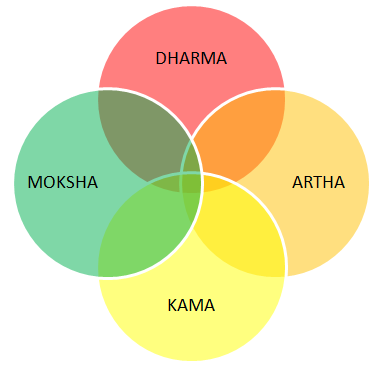
The Vedic shastras speak of human objectives or “purusharth:” “dharm, arth, kam, moksh.” These four objectives sum up the pursuits of humans: dharm or ethical duty towards oneself and the collectivity one is born into; arth or pursuit of affluence; kam or pursuit of desire. Kam is usually understood to be carnal desire, and this is not a deviation that leads to the gates of hell, but rather a natural and necessary part of an individual’s evolution towards the final stage of total spiritual liberation, or moksh. In the vedic tradition, the human lifespan is understood in 4 strokes: 1)Brahmachari ashram or early childhood and youth when one is primarily a student in many ways and where one abstains from sexuality; garhasta ashram or the stage of the householder when one is active professionally and personally; vanaprasht ashram or turning away from the “things of this world” to develop a detachment; and sanyas ashram or leading the life of a total renunciant.

Garhasta ashram is about being together with a partner, supporting one other to thrive and to develop through and as a family, inviting new souls into the world, to keep the wheel of evolution going. In this sense, in Ayurveda, the topic of maleFor Him virility is particularly important, as it goes hand in hand with the continuation of the world as we know it. The Charak Samhita devotes a specific chapter to this topic entitled “Vajikarna.” In this chapter, several approaches are discussed to maintain, cure, and improve male virility. From recipes to the use of single herbs or herbal synergies, different protocols are listed and explained (to learn more on this topic, listen to Vaidya Mishra’s Love and Prana II available on www.chandika.com

In particular, the chapter discusses herbs that carry the following “prabhava”s or ultimate subtle post-digestive and post-absortpion effect: vrishya – increases shukra dhatu or the reproductive tissue; bhringhana – supports all 7 tissues including shukra or the reproductive tissue; vajikarna – increases libido; and rasayana – overall rejuvenative also essential for healthy and graceful aging. The Charak Samhita lists and discusses herbs or recipes that containing any dravya-s or plant materials that carry these properties. Some of these herbs have already been the subject of scientific studies that have confirmed the conclusions of the ayurvedic texts – see Dr. Barbara Davis’ article for the scientific references. Here are some of these herbs that help balance and rejuvenate the male physiology physically, emotionally, and mentally, as discussed in the Sanskrit sutra-s.

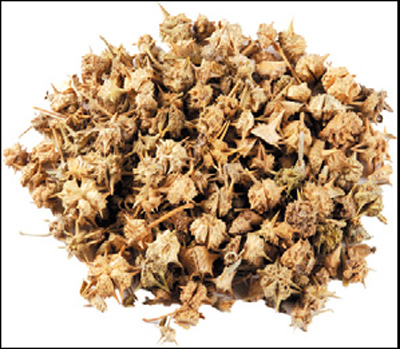
Mucuna – also called “kapikachu” in Sanskrit. The seed of the mucuna plant is “vrishya” or increases the reproductive tissue; it has a sweet rasa; it is bhringhana or nourishing to all the 7 tissues, and particularly the reproductiveForHim-img2 tissue; it can be a little heavy on digestion; bitter in taste; it pacifies vata or the principle of air and space in the body; it increases stamina, pacifies pitta and kapha doshas or principles as well. It is also vajikar or increases libido. It carries all 4 qualities that are needed for male stamina. It is cited by both Bhav prakash and Shodhal.

White Musali is another important dravya or plant. It is sweet, cooling, and vrishya – enhances the reproductive tissue. It supplies nourishment and stamina overall. Due to its slippery properties it supports kapha and pacifies pitta, eliminating inflammation and fatigue.ForHim-img3

For Him-img4Gokshura – tribulus: cooling, enhances stamina, sweet, and vhringhani – increases and nurtures all tissues particularly the reproductive tissue. Supports the flow of urine; de-crystalizes urinary stones; cools the urinary system; it’s a rasayana for the genito-urinary tract; enhances stamina; it’s vrishya – nourishes the reproductive tissue.ForHim-img5

For Him5Ashwagandha: just as famous as Gokshura, it is astringent in taste; pungent; bitter; it pacifies vata and kapha; enhances shukra or the reproductive tissue; enhances stamina; is a well known rasayana.ForHim-img6

Shring bhasma: or deer antler calcined ash, has been used by the ancient rishis or seers in so many ways, including the support of male health overall. For more information on this subject, watch Vaidya Mishra’s YouTube video on his SVA Health channel.

Yasad bhasma Zinc calcined ash, is a famed rejuvenative mineral that supports the nerves. It is an essential ingredient for male health as the prostate gland needs ample amounts of zinc to maintain its healthy balance. Watch Vaidya Mishra on YouTube on this topic for more details.

Daily Protocol: with the SVA alternative advanced delivery systems, you can add all these herbs to your daily routine.

Herbal-Memory Nectar Drops are a subtle efficient trans-mucosal way of getting the “intelligence” of these herbs into your physiology safely and effectively.

To 32 oz of high pH spring water, add:

  • 3 drops of zinc,
  • 3 drops of musli,
  • 3 drops of aswhagandha,
  • 3 drops VJK

Then take 1 capsule of Tribulus Plus after breakfast, and 1 capsule after lunch.

Crush 1 tablet of Ashwagandha with 2 tablets of Mucuna plus, add to spring water, bring to a boil, filter and drink as a tea after lunch.

Needless to say, to get the full effect and benefits of any of these herbs you will need to keep an optimally fresh and intelligent diet and routine, also keep a balance between rest and activity. Daily self-massage or abhyanga with Vata massage oil with Vit D and magnesium will help nurture and relax the physiology. With a balanced life-style and the “prabhava” of these herbs, you are sure to live according to the tenets of the shastra-s enjoying the most out of each stage of life in accordance with the desires that animate us all humans.

Onion and Garlic vs Turmeric and Ginger

“Dear Vaidya first I would like to express my gratitude for all the precious knowledge that you have made available, this is a wonderful service.
May I ask you a question about onions and garlic?
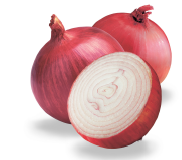
Most of the Ayurvedic views on onions and garlic dissuade one from their use due to their tamasic nature. You speak of the scientific point of view: onions and garlic kill the beneficial bacteria inOAGVTAG-img1 the intestine.
May I ask you: 
-Is this equally the case for cooked garlic and onions and raw garlic and onions?

Cooked vs. raw
Dear Aaron: yes, it is true that cooked garlic and onion have less of an effect – both therapeutic and harmful – because in the process of cooking much of the sulfur content evaporates since it is volatile in nature. However, enough of it remains to still harm the friendly bacteria in one’s gut, particularly if one does not already have a good colony and good environment for the bacteria to thrive in the colon. And, it will not be an overstatement to say that most individuals nowadays do not have a good environment because most of us thrive on an acidic diet, stressful lifestyle, and minimal sleep. So when you add ingredients high in sulfur content, such as onion and garlic, it only aggravates an already precarious situation. However, if an individual falls within the minority of those who do take care of their friendly bacteria, and do keep a good routine and diet, then in that case it will depend on actually how much onion and garlic that individual is consuming, how frequently, and what is eaten along with the onion and garlic – foods that buffer and balance the deleterious properties or aggravate them further. Taking such factors into consideration, cooked onion and garlic may be incorporated in the diet if desired.

Garlic as Prebiotic?
“I have found some references that cite garlic itself as a prebiotic, including even a very respected manufacturer of probiotics, Theralac, that recommends taking garlic, as a prebiotic, along with their probiotic! I did some research on this a while ago, and I found a study done by people who actually tested the effect of garlic on the intestinal flora: they found that raw garlic does indeed kill both harmful and beneficial bacteria in the body, whereas cooked garlic does not have this effect.”

This is only half the picture. Yes, garlic does contain prebiotics but it also has an anti-biotic effect. It is a common tendency nowadays to promote half-truths! This is part of the reason I always stress “satya sampurn gyan” – complete unadulterated (truthful) knowledge as the shastra-s stress. Whatever prebiotic molecules or properties garlic and onion may carry is nullified by their sulfur content. But again, thisOAGVTAG-img2 depends on various factors, it is not a straightforward answer: it depends on whether cooked or raw, if so, how much, cooked how and with what, consumed with what other ingredients that will buffer or accentuate, plus what is the state of the colon etc.

Garlic in Ayurveda
Otherwise, there seem to be about an equal number of information sources that consider garlic and onions to be prebiotics that are good for the beneficial bacteria, and sources that say they kill both the harmful and beneficial bacteria. The scientific view on this subject thus seems to be divided, as far as I have been able to learn.
The Ayurvedic view on the problematic nature of garlic and onions, as I understand, does not seem to be connected to their effect on beneficial bacteria, but on their subtle/energetic properties. Is my understanding right here?

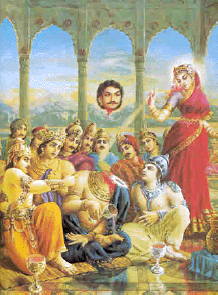
We have all been misinformed! That is why I always stress, with SVA, the journey is from Sutra to Science, as well as science to sutra…. SVA emphasizes the holistic nature of knowledge. And it is all already always there in Ayurveda. That we know for sure. In Ayurveda, the name for a friendly bacteria is “yogini.” You are right to the extent that no ayurvedic books or experts discuss or mention this. In my lineage, however, the yogini-s get front and center attention. Whether it is in the discussion of the probiotic effect of yogurt, as well as coconut yogurt, or the harmful effect of foods that deplete the gut of yogini-s or friendly bacteria. My father used to discuss at length the importance of friendly bacteria, and he used the phrase: “the brain of the brain resides in the gut” to express his conviction of the key role that friendly bacteria play for our total health. Even more than that, in our SVA lineage, this is exactly the reason why garlic and onion are notOAGVTAG-img3 consumed as part of our daily regular meals, because they are known to harm the colonies of friendly bacteria in our gut. Classical Ayurveda may not stress this out in the exact same way but it does it by emphasizing the importance of consuming foods that help nurture the friendly bacteria. The field of bacteriology in Ayurveda, “Bhoot Vidya” is a branch of that discusses the specifics of friendly and harmful bacteria, thousands of years before the invention of the microscope. But perhaps the best way to understand that garlic and onion are harmful for us despite beneficial properties they carry is metaphorically from the purana-s (the Sanskrit sacred writings containing Hindu legends and folklore), through the story of the genesis of garlic. When the gods were lined up to drink Amrit, the nectar of immortality, the demon Rahu snuck in with a cape pulled down over his features and got a bowl full of nectar to drink up. Just as he was about to swallow the nectar, he got caught and his head was cut off by Mohini, the femal avatar of Vishnu. Blood from his decapitated head fell onto earth, and since his blood was mixed with the nectar he was swallowing it sprouted into garlic, a dravya or food ingredient, that carries both beneficial and harmful properties, both “demon’s blood” and “nectar of immortality”! When one consumes garlic, one gets both this and that property…

Vs Turmeric and Ginger
– Turmeric and ginger are also antibacterial. From the point of view of effect on beneficial bacteria, would they differ from garlic and onions?

Turmeric and ginger are antibacterial due to their content of specific essential oils. Turmeric and ginger enhance the intelligence of the immune system, so that the immune system can distinguish between good and bad bacteria. Both turmeric and ginger are known to be immuno-modulators. So turmeric and ginger support the immune system by discouraging the growth of bacteria and that is why they are considered antibacterial.
OAGVTAG-img4.pngBut you can see this from another angle as well, from the perspective of the gunas or properties: rasa, guna, virya, vipak, and prabhava. These are the main 5 properties (which have sub-properties themselves) according to which we can categorize every edible thing under the sun. For ginger and turmeric, on the first step or rasa (taste) level, you can say that there are antibacterial properties, but by the time the turmeric or ginger cross the first level to go deeper in the body and display “guna, virya, vipak” properties in the stomach, intestine etc, they no longer carry any antibacterial effect. However, onion and garlic do.
Onion and garlic have an antibacterial effect in their vipak and prabhava, while turmeric and ginger are only antibacterial directly on the rasa level, and indirectly by supporting the immune system. This is why turmeric and ginger are not considered antibiotics, but garlic and onion can be.
When ingredients are understood on the level of the pharmacodynamics of Ayurveda, not just through the perspective of modern neutraceutical logic, where it’s more a focus on the ingredient content and immediateOAGVTAG-img5.png chemical constitution and effects, then things can be understood in their total picture. With the “rasa, guna, virya, vipak, and prabhava” of Ayurveda, something sour and originally acidic can be known and used as an alkaline ingredient. An easy example is lime. Lime is a citrus fruit acidic in nature, and we know that any acidic food kills friendly bacteria, but lime actually does not, because its acidity is only on the rasa or taste level, once it is ingested and digested, it has not an acidic but actually an alkaline vipak or post-digestive effect. Same goes for the amla berry. Sour at first, it carries a “madhur” or sweet “vipak” or postdigestive effect which is alkaline so it supports the friendly bacteria.

I would be very grateful for any additional light you could shed on this subject. It is important for me to know, since I often incorporate cooked garlic and onions into my meals for their benefits (according to many ayurvedic sources) on physical health, with the idea that once the physical health is in good shape, they will no longer be necessary.
Thank you, Vaidya Mishra, for your time and attention in reading this, and with warmest wishes from France.
Sincerely, 
Aaron E.”

Dear Aaron, I hope I was able to show you that it is better for you to avoid onion and garlic. There are so very many other ingredients – particularly spices – that can be used to enhance and support health overall. And even if the argument for or against the role of garlic and onion is not conclusive for you, at least you can remember that they are confirmed “tamasic” food agents that can shroud spiritual insight, and when our spiritual antennas are blocked, health can’t but suffer as we may start to make unwholesome decisions…