“What’s in a name? That which we call a rose By any other name would smell as sweet”…

Act II, Scene II of Shakespeare’s “Romeo and Juliet”
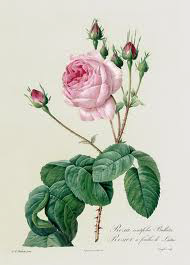
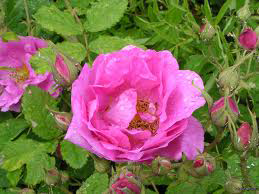
WIAN-img1You may remember Juliet’s famous line from Shakespeare’s play. In her monologue, Juliet is trying to reason away the family feud that threatens the budding love between her and Romeo. However, in Ayurveda, unlike what Juliet states, the name of a thing and its actual properties cannot be disassociated without altering the essence of that thing. For example, in Ayurveda, rose is called “taruni,” which means “everyoung.” Its name stands for the youth-promoting benefits and properties it carries: it is good for the emotional heart; pacifying the mind; nurturing the skin; balancing the digestive system; rejuvenating the colon; enhancing metabolism; and it can even be used to promote physical and emotional love… There are hundreds of genera of rose, but one amongst them stands out and carries all the above qualities. It is called “shatpatri” in Ayurveda or known as “Rosa Centifolia” in the west. It is the rose with a hundred (or very many) petals. To better understand how a rose, and particularly, Rosa Centifolia, can have all these benefits all at once, we take a look at its 5 fundamental ayurvedic properties. Every plant, herb, spice, edible item in Ayurveda carries specific pharmacodynamic properties. These are known as the “dravyaguna” – properties or guna-s of that “dravya” or item.

Know your rose from the inside-out

The first property is known as “rasa.” Rasa is the immediate taste that you experience after you put something in your mouth, and it is also the immediate effect that particular taste has on your body. Rose has 3 rasa-s or tastes and effects: bitter, astringent, and sweet. These tastes have different functions and nourish different tissues and pacify doshas. You can read more about this further down.
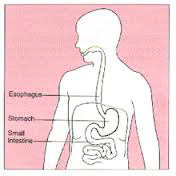
WIAN-img2The guna is the second physical property. Rose’s guna is “lagu” which means light, and it is also “snighdha” which means unctuous. This means that when you ingest rose, it behaves like an unctuous but light ingredient in your physiology, lubricating and not clogging any channels or pathways. Then third property is called virya and this is its potency. The rose’s virya is cooling. This means that it acts like a cool ingredient in your body. Imagine the contrast between consuming vinegar, or hard liquor! Compare that hot acidic sensation down your oesophagus to a cool glass of milk. When you consume anything with rose, it cools you up from the inside out. Then there is vipak, which is the post-digestive taste. This means that once you ingest rose petals and they are digested in your stomach and move on to your colon, the bitter and astringent properties it carries are transformed to leave a sweet effect. It is as if you had eaten something sweet. Sweet vipak is soothing, cooling, balancing. It is a highly desirable vipak or property. As the digestive and metabolic process progresses, things become more and more subtle. So the last and most important property is vibrational, meaning it is not possible to measure or analyze under a microscope. It is Ayurveda’s gift to us that it teaches us how to categorize the prabhava of hundreds of thousands of items found under the sun.

The prabhava of rose is “hridya” – this means it moblilizes and supplies prana or the cosmic energy we thrive on to the heart area. Consuming rose redirects more prana to the heart area, balancing and recharging and rejuvenating it.

In this sense, this is what a rose does to your physiology specifically: because it is sweet and unctuous it pacifies Vata dosha – as you know the sweet rasa or taste pacifies vata. The rose’s snigdha or unctuous property also balances vata that tends to be dry. Any dravya or item that has the unctuous lubricating guna or property is pacifying to vata. Then due to its cooling virya or potency, as well as bitter and astringent taste, it is pacifying for Pitta dosha. In its essence, rose is Pitta and Vata pacifying. These properties have a nourishing effect on the nervous system, because rose is known to be a medhya. That is, it enhances dhi dritti smriti. These are the 3 primary functions of the brain for the actions of registering, storing and recalling knowledge and information. When they are operating in a balanced and coordinated manner, the brain is in a stress-free state of bliss.

Another unique property rose has is called “Som Nasya Janana.” This means that rose creates good coordination between the mind and Satwa, the light of the soul, so it’s an instant bliss generator!

What effect does rose have on the digestive system?

According to Ayurveda, rose is balakarika, meaning it strengthens the stomach, intestine and liver organ systems. Bala means strength. In addition,due to its deepana properties, it balances appetite. It is also pachana – it enhances overall metabolism. Another of its properties is anulomana: it helps pacify apana vata by making sure the downward movement of apana is maintained. However, it is not a laxative, unless you consume excessively large quantities of rose. When consumed in small but regular quantities, it enhances absorption of nutrients.
WIAN-img3Consuming rose petal products is particularly beneficial when people have high pitta and high vata imbalances. These imbalances are also usually associated with low agni or low metabolic fire in the stomach and tissues. Low agni results in toxic build-up, weight gain, body aches and pains, etc. Eating rose will pacify these two doshas and help reset the physiology on its way to blissful balance.

Rose pacifies the heat in the blood, and thus keeps imbalances in the skin from erupting. Other specific ailments that Rose has been known to help with are amenorrhea (absence of menstrual flow), inflamed eyes, dizziness,headache due to Pitta aggravation, sore throat, enlarged tonsils, nervousness, grief, dullness of the skin and acne caused by Pitta imbalances. There is also another condition where excess pitta gets stuck in the blood tissue, and rose is the ideal remedy for this. Either ingested orally or applied transdermally. Rose is known to help individuals who experience unidentified burning sensations in their body, burning sensations that do not tie in to a diagnosed medical condition. Scientific research on this aspect is not in yet, but Ayurveda promotes the use of rose in such conditions.

And even more balancing properties…

As if all this was not enough, Rose is also considered a wonderful remedy for the physical circulatory system. It is a cardio-tonic, or hridya.

WIAN-img5Rose is also known for its vajikarna properties. We find a lot of recipes in Ayurveda that use Rose to enhance physical and sensual love between partners.Yet one of the most important uses of rose is for the skin. When taken internally, it purifies the sweat of hot acidic toxins that cause harm on the surface of the skin when a person sweats. Regular transdermal use of rose either in poultices or cream formulas cleans the sweat externally, by neutralizing the pH of the sweat, so that when it is released through the skin, it does not cause irritation.

So ultimately rose petals are pitta and vata pacifying. How about the kapha dosha? Does it aggravate this dosha? It depends on the preparation. That is why Vaidya has made a special SVA formula, his Rose Petal Preserve is prepared in such a way as to become almost all Vata, Pitta, and Kapha pacifying. Another option is also to add some freshly ground black pepper when consuming the preserve to make sure it will not aggravate Kapha dosha.

Gulkand

Making preserve out of rose petals is a very old tradition in many cultures, in India, but in the Middle East as well as Europe. However, not all recipes and preserves will have a balancing effect. In India, Rose Preserve is very popular and is called: Gulkand. It is readily available everywhere. But it is usually made with white sugar – we know that the consumption of white sugar depletes our bodies of minerals and lowers our pH, so you want to avoid that. Also, many recipes do not use Rosa Centifolia. Other varities of rose have different properties, so you want to be careful when you are purchasing a rose preserve that it was actually made with Rosa Centifolia.

In addition, many times, the recipes use vinegar, or citric acid, as well as synthetic scent or aroma, or color, to enhance the look and flavor. These are all carcinogenic ingredients you want to steer clear of.

Sometimes preserves sitting on shelves get oxidized or fermented if the formula is not balanced enough. You should watch out. Vaidya Mishra has carefully formulated his SVA Rose Petal Preserve according to his ancient ayurvedic family precepts. He uses natural ascorbic acid balances the sugar molecules. In addition, he uses pectine which microencapsulates the sugar molecules, so that they do not rush into your blood stream and give you a sugar high. Pectine also modulates the sugar molecules to give sustained release into the body. He has added natural essence of Rose Absolute, for enhanced rose properties in addition to organic rose bud petals. Fall in love once more, with and through Vaidya’s SVA preserve jars of pure rose bliss!


WIAN-img7

Vit B12 for a Better You!

VBFABY-img1Is your memory blanking-­‐out on you? Do you experience a fuzzy unfocused mind? Mental fog? Do you find yourself lacking motivation or having mood swings? Have you been feeling low on energy or find yourself easily fatigued? Do you have tingling or numbness, or a crawling sensations in your arms, legs or feet? Do you feel any or all of the above without having a medical condition? Then you may be simply B12 deficient!

About 16years ago,I started to notice a very particular imbalance repeating itself in the pulse reading of dozens of individuals: I would find an imbalance of “sadhaka,”1 “ranjaka,”2 vyana,”3 predominance. It would also be accompanied by low “rakta”4 and “mamsa.”5 Occasionally low “majja”6 as well. When I started to investigate this further, asking the individuals questions in order to isolate the “hetu” or etiological root cause, I discovered that many of them had switched over to a vegetarian diet and lifestyle almost overnight after having being non-­‐vegetarians all their lives and issuing from non-­‐vegetarian families for countless generations. Becoming vegetarian in such a speedy manner meant that they had to substitute all animal meat and protein intake with tofu and/or soy products as well as other ingredients previously unfamiliar to their body and metabolism. And this, sometimes as much as 3 meals/times a day to compensate for their protein intake, resulting in an imbalanced diet overall. But others who were not and had not switched over to a vegetarian diet, were experiencing similar symptoms. There was still another group who was very discerning and selective about the protein they consumed but also showing similar pulse reading and symptoms. After doing some research on my end, it became obvious to me that they were exhibiting symptoms of B12 deficiency.


  1. pitta subdosha that balances the emotional heart and mind
  2. pitta subdosha that governs the liver
  3. vata subdoshain charge of overall circulation and distribution of energy and nutrients
  4. Blood tissue
  5. Muscle tissue
  6. Bone marrow

VBFABY-img2In light of this, I requested that they have their blood checked for B12 levels. Surely enough, all tested positive to low or depleted levels. The lab findings were in-­‐tune with the ayurvedic reading, and these individuals also showed the behavioral signs of the “sadhaka, ranjaka, vyana” imbalance: they tendedto be emotionally cranky and volatile, experiencing bouts of emotional lows. They also reported feeling overall weakness and fatigue, as well as a lack of enthusiasm. Finally, many of them had difficulty focusing, or remembering -­‐ cognitive troubles in general. Some were experiencing “funny” tingling or numbness in their extremities.

I was able to address the imbalances on a case-­‐by-­‐case basis, specially focusing on correcting the diet to suit individual needs so they would either have more of the B12 through the food they consumed,or would be able to absorb and synthesize it optimally. In the case of those who were not vegetarian, I had to enhance their metabolism so they would better digest and absorb their nutrients.

However, I had to remind all that it is not possible to correct Vitamin B12 deficiency with food alone, that they all needed to supplement their diet with B12 in the form of their choice (pill form, but also liquid, transdermal patch, nasal spray, or injection). Those who had espoused a strict vegetarian or vegan diet and were not willing to re-­‐introduce meat or animal products into their diet, B12 was needed in higher doses on a regular basis.

This is when I had the desire to have available an easy to absorb powerful B12 supplement.This issue stayed with me and I kept researching it until I found that there were already many companies out there making B­12 transdermal patches and creams that were shown to be effective.

The transdermal delivery method is  nowadays a scientifically valid system for safe, sustained and effective drug delivery. However, I was not for all the preservatives, nor the synthetic medium that the nutrient was added to in order to formulate the transdermal patches and creams. With the deep desire of making the best ayurvedic transdermal B12 cream, I started my own trials. But there were many hurdles along the way keeping me from finding the ideal balance for a medium that would protect, preserve and have sustained delivery. After many months of research and development, I am happy to give you our SVA Transdermal B12 lotion suited for your vegetarian and vegan needs. A lightly fragrant cream with pleasant floral tones, it delivers this much needed vitamin to your system safely yet effectively.

VBFABY-img3I sourced the B-12 (cyanocobalamine) from vegetarian sources. It is made from the friendly bacteria derived from vegetables. This was an important point because most of those who came to see me and were in need of B-12 were vegetarians who did not want to incorporate animal products into their diets. This is a safe cream you can use daily, to supplement your B12 levels and help with all the necessary bodily functions that B12 is responsible for:

  • overall energy
  • cognitive functions – thinking and remembering
  • supports the nervous system
  • aids in the formation of blood: it regulates DNA synthesis
  • supports fatty acids synthesis and formation

So even if you are not deficient and don’t have any symptoms, there is no harm in supplementing with B12. You Can consume a daily dose of Vitamin B12 supplement amounting to 500 to 1000 mcg (micrograms) per day .

Remember:Charak says the physician, the “prana vishar” physician has the authority to tackle the contemporary situations based on change in the environment and change in culture and change in social behavior. Once the “Prana Vishar” physician establishes a link between the “hetu” and the “lingam,” or the etiological factor and a symptom, then s/he can prescribe what is needed to correct the situation. We don’t have to worry about the name of the disease or putting a cap on it.

In the case of B12 and other vital nutrient deficiencies, we have the “siddhant” or “self-evident” truth from Charak that says: “Sarvadha sarva bhavanam samanye vridyi karanam…” that is: the rule is to correct an imbalance by supplementing the body with that which has similar properties in order to correct the deficiency. B12 is a deficiency, so it can be corrected through elements/dravyas with similar properties to support the physiology to increase the levels of B12.

Check with your medical physician to make sure, but small doses of Transdermal B12 are safe and effective fordaily addition to your diet and routine.

Lectin and Food Intolerance

LAFI-img1Thank you to all who sent in  questions about lectin. This topic is  on many people’s minds these days as scientific findings concerning its impact on health are being increasingly debated.

What is Lectin?

It’s a type of glycoprotein that is  found in most of the foods we  consume. Recent findings show that  it elicits allergic and antigenic1 responses in many individuals.2

Where is it found?

  • In dairy: all milk products, cheese (fresh or aged), yogurt, kefir, etc
  • In legumes – beans, lentils, peas, including soy, peanuts, and seeds: many clinical studies have shown that various damage to gut lining, joints, kidney, pancreas and brain (even crossing over into the bloodbrain barrier) can be caused by lectins from soy, peanut and other beans, peanut oil, as well as other seed oils including soy oil. Lectins in peanut oil have even been implicated with artherosclerosis.

  1.  Antigens are toxins or foreign substances that induce an immune response in the body
  2. “Dietary lectins are protein antigens which bind to surface glycoproteins (or glycolipids) on erythrocytes or lymphocytes. (1) They function as both allergens and hemagglutinins. (2) They are found in plants and animals, and are presentin small amounts in 30% of American foods, more so in a whole-­‐grain diet. (2) Lectins have potent in vivo effects. When consumed in excess by sensitive individuals, they can cause 3 primary physiological reactions: Lectins can cause severe intestinal damage, disrupting digestion and causing nutrient deficiencies
  3.  They can provoke IgG and IgM antibodies causing Gell-­‐Coombs Type 2 food allergies and other immune responses. (3,4) And they can bind to erythrocytes, simultaneously with immune factors, causing hemagglutination and anemia. (5) Of the 119 known dietary lectins, about half are panhemagglutinins, clumping all blood types. The remainder are blood-­‐type specific. In general, lectins alter host resistance to infection, cause failure to thrive, and can even lead to death in experimental animals.” From “Dietary lectins: Blood Types and Food Allergies by Laura Power, Ph.D. Published in: Townsend Letter for Doctors, June 1991.
  •  LAFI-img2Lectins are found in most of the plants that grow in the world, as they are part of a plant’s natural defense system. A plant produces toxic lectins as a survival strategy to ward off insects, mold, fungi, even people! Animals and humans may get sick and even die after consumption. Some plants have more highly evolved lectin systems in them and are more toxic, for example: the castor bean contains “ricin” – a highly flammable and extremely toxic substance
  • Soybeans have more toxic lectins in them than most other plants – this is one of the main reasons soybeans don’t need to have as much pesticide sprayed on them because they contain the natural pesticide, lectin. 3
  • Grains, esp. gluten grains such as wheat, rye and barley, oats;
  • Eggs
  • In geneticaly modified foods: GM foods are manufactured by splicing ‘lectins’ from one plant family to another. This can be a very serious problem because if you are allergic to a particular plant family, but that lectin has been put in a plant not of that family and you consume it unknowing that it contains the genes from the plant that is toxic for you, you will have the allergic reaction/response and not be able to identify the root cause… For more detailed information about lectin content in food, visit the Owen Foundation website at : http://www.owenfoundation.com/Health_Science/Lectins_in_Foods.html

Why is lectin toxic?

Lectins are a type of glyco-protein that cause agglutination, or clumping together, of particular cells. This agglutination makes it harder for those foods containing lectin to be digested and absorbed properly and efficiently, as they can resist stomach acid and digestive enzymes. When lectin is not processed properly in your digestive system, it can get stuck on your gut wall, damage the gut lining, and penetrate your entire circulatory system, binding itself to cell membranes in your arteries and vessels, or different organs and systems (thyroid, pancreas, kidney, adrenals, etc). Such binding can lead to autoimmune disorders, and degenerative diseases. The original damage caused to your gut wall can also allow in other un-wanted non-lectin proteins to seep into your system causing allergic reactions.4

When are you lectin intolerant?

Lectin intolerance reactions occur in the gut, general circulation (artery walls), brain, gland or organ as well as red blood cells. When your body is unable to prevent the lectin from binding to your gut wall, or penetrate and invade your organs, glands, or brain, then you are lectin intolerant. When the lectin invades your internal systems, your body triggers an autoimmune response and may display symptoms of auto-immune and/or degenerative diseases.5

Symptoms

What to look for? Some of us tolerate certain foods less than others. Some obvious symptoms of intolerance can be: gas, bloating, diarrhea and/or constipation. Other symptoms may include: headache, fatigue, ‘indigestion’, skin problems including hives, psoriasis, swollen joints, or water retention. When intolerance is left un-addressed, the symptoms may develop into degenerative diseases and autoimmune diseases as mentioned.

4 )  For more detail, see http://www.krispin.com/lectin.html#Become The Lectin Report.

5 )The list of degenerative diseases associated with lectin intolerance is long and research is still under progress: arthritis, both rheumatoid and osteoarthritis; allergy; asthma; high cholesterol; atherosclerosis; congestive heart failure; high blood pressure; diabetes; low blood sugar; hyperinsulinemia; chronic fatigue; fibromyalgia; all forms of IBS, Crohn’s, colitis, celiac; chronic candida, repeated gut pathogen infections; malabsorption syndromes; failure to thrive; autoimmune diseases such as thyroiditis, lupus, MS, Parkinson’s; dementia,Alzheimer’s; autism; ADD/ADHD; Schizophrenia; osteoporosis; cancer, several types including breast; hypercortisolemia and hypocorti solemia;adrenal insufficiency; post viral syndrome; post traumatic stress syndrome; post polio syndrome; obesity; hormonal imbalances including low testosterone, and peri-­‐menopausal symptoms, etc. Lectins and their possible involvement in degenerative and autoimmune disease is a relatively new science.

Intolerant by birth?

Studies have found that you may be intolerant to lectin for one or more of the following reasons:

1) By birth: you have inherited a genetic predisposition that makes you prone to specific food sensitivities
2) Use of prescription drugs or injurious substances6 that have a direct impact on your gut wall causing sensitization: when your gut wall is compromised, your immune system will be unable to withstand bacterial or viral infections, making it more prone to lectin antibody/antigen reactions.
3) Poor food choices that result in acquired sensitivities: consuming items that are processed and cause an allergic reaction. In such cases, intolerance can be reversed when you change and improve your diet. The SVA diet with its avoidance of processed packaged food items, large beans, nightshades, soy, flax, is a balanced alternative protocol.

The SVA diet contains general recommendations that can be followed by most – specific variations are based on a case-by-case individual basis. It is not just a list of do-s and don’t-s as SVA guidelines teach you to make informed food choices that go beyond physical nutrient content. For example, how to or not to combine some foods with others in order to avoid allergic toxic reactions – this is known as the principle of “samyog” in Ayurveda; orLAFI-img3 the principle of “sanskar” – preparations steps and methods that supply more healing properties to a meal, for example at which point you add an ingredient etc. In this sense, there are more factors that need to be considered when trying to determine whether or not you are lecting intolerant or not. You may have to get tested for specific allergic reactions in order to determine where you stand in terms of your diet and overall propensities. This is why SVA does not recommend that we stop consuming milk across the board, for example, or other ingredients just because they have been found to contain lectin. And we know now that most foods contain lectin. Rather, Vaidya will say to try to consume raw milk (after boiling with some spices and never cold) instead of ultra-pasteurized and homogenized, as it is easier on the digestive system and more nourishing to the physiology. There are also other elements that are considered in the SVA perspective. Soy, for example, is definitely a food that you should avoid, not only because it has such a high content of lectin naturally, but because it has other properties that are known to be “toxic” in SVA terms. But it also happens to be on the list of toxic foods in terms of lectin content. Having said this, there are some important basic things you should know about and that you can do, specially when it comes to the consumption of important food items that are high in protein and nourishing yet may also create some problems if you tend to have lectin intolerance for one reason or another. Consuming legumes or lentils is a case in fact.


6 For example, non-­‐steroidal anti-­‐inflammatories or other drugs which increase gut permeability and allow lectins to enter general circulation.

The SVA answer: Vaidya Mishra says: “in my ayurvedic practice, and those of other SVA practitioners, many are coming complaining of bloating, gas, and sometime stomach-aches after consuming any kind of lentil. Because of this, many people have stopped eating lentils altogether, even the good ones, (mung or masoor). This deprives them of a great source of nutrition that has great health benefits, that has been consumed for centuries without any problem, yet all of a sudden it has become an issue. In this sense, there are a few important points that we need to be aware of.

  1.  What went wrong in the past decade or so causing the emergence of thisissue with lectin, particularly relating to the consumption of beans, legumes, and lentils?
  2. Are people totally lectin intolerant or can there be ways to amend the molecular weight of lectins so as to receive benefit from their consumption without enduring the symptoms of lectin intolerance?
  3. Why does Ayurveda, in general, and SVA in particular always recommend mung and masoor? A why to we hear it is best to avoid larger beans such as pinto, garbanzo, and lima beans, etc?

SVA adopts its Sutra to Science approach to respond to the above.

  1. The raw food movement considers primarily the nutritional content in beans and lentils in both large and small quantities. Soaking lentils in order to facilitate their raw consumption has created an epidemic of lectin intolerance related symptom. Scientific research shows that cooking lentils facilitates the digestion and absorption of lectin, confirming the ayurvedic perspective.7
  2. LAFI-img4It is not just about the nutritional content of food. Ayurveda explains to us so many other properties, some gross and others more subtle, that characterize the food we eat. These properties remain unknown to us as of yet in the west. As explained earlier, issues need to be addressed on a case by base situation to adjust the diet etc, however, consuming lentils or daal, a very important part of the ayurvedic diet, and even more so if you have adopted a vegetarian lifestyle, since small lentils contain good, light, easy to digest proteins and nutrition. One method recommended by the ayurvedic texts is to dry toast your mung dahl or masoor dahl before cooking it with water ghee and spices. This process of adding more “agni” to your lentil also has a chemical impact of reducing the lectin intolerance. Many clients who have come to me complaining of the inability to digest daal have resorted to this, adding this step and are now able to consume legumes. It is important to remember not to, and this probably permanently, consume large lentils, unless you have a highly physical lifestyle and very high “pachakagni” or digestive fire. However, sometimes it is important to cut out lentils completely from the diet.As already mentioned, it is a case-­‐by-­‐ case situation, and if you are experiencing problems, you need to have your condition assessed by a SVA expert.
  3. In Ayurveda, an entire chapter is dedicated to beans and lentils, discussing their independent uses, benefits, and side effects as well as the pharmacodynamics or their bio-chemical properties in our bodies after ingesting them. Many lentils such as Rajma or kidney beans, Chana or chickpea, Mash or Peas, and Toor Dal – are classified as “heavy” beans. What does this mean? Simply that if someone lacks a powerful digestive fire or pachakagni, or someone leads a more sedentary lifestyle, they should not consume these lentils. In contrast, Mung dal is considered the best lentil followed by the red lentil, or masoor dal. However, it is stated clearly that they should both always be cooked. In specific situations, when a SVA practitioner observes that there indeed is a pachakagni problem then, additional dry toasting of yellow mung dal prior to cooking it with high quantities of water is recommended. But remember to always cook with at least a pinch of turmeric, Soma Salt, and then finish off with “ghritbharjan” (sautéing cumin seeds with ghee and adding to the daal before serving. When you toast your mung daal before cooking it, it actually reduces the impact of the lectin content, making it much easier for an individual with slow agni, or slow metabolism and absorption, to easily handle the lentil and receive nourishment from this legume. Shastras provide us with other smarter ways to balance the lectins in lentils by making khichdi (Krishara), which is a thicker soup made from 1-part lentil and 3-parts rice. [See the Recipe section of our newsletter]. This is a very delicious sustaining soup of medium consistency topped off by a Ghritbharjan or sautéing with cumin. A 2009 study concluded that cooked pulses significantly reduce the molecular density of the lectins with the use of spices and seasoning (ghritbharjan). This study confirms the efficacy of Krishara as an ideal method of consuming lentils.8 But again, it is best to have a personal evaluation to address your own specific needs.

7.  Japanese researchers confirm this claim in their 2012 study that shows increased break down of enzymes through boiling or cooking of lentils (J Sci Food Agric. Mar 2012).

Antagonistic vs Synergistic Inter-actions between Herbs, Food, and Drugs

AVSIABHFAD-img1“Dear Vaidya Mishra: I am an ayurvedic practitioner from the UK. For the past 2 years I’ve been reading your newsletters diligently, following your SVA tips and incorporating them into my practice. I’ve become a big fan of the SVA diet and my clients get a lot of benefit from adopting even some of it, particularly the green protein recipe. With the recent Sutra to Science conference, by raising a red flag about herb/drug interaction, you have brought to our attention a very crucial topic. I wanted to attend your conference but was unfortunately unable to fly in. I am very much looking forward to purchasing the recording of the talks, particularly your talk about the herb/drug interaction, as well Dr. Malvika’s on food. My question is, based on the 6 tastes of food, what is the sutra to scienceapproach concerning food/drug interaction? I thought you would be the best ayurvedic expert, today, to answer this question. Thank you and with much gratitude for all the beautiful and powerful knowledge you put out there. Nancy D. – UK

AVSIABHFAD-imgVaidya: dear Nancy, this is a great question. The 6 tastes in Ayurveda are: sweet, sour, salty, bitter, pungent, and astringent. You will see in my SVA conference talk I explain that science discusses 2 possible kinds of interaction: synergistic or antagonistic. Synergistic is when the medicine and the food/medicine work together an increase a particular effect in the same direction; antagonistic is when the medicine and the food/herb fight against each other trying to reduce/decrease each other’s effect in the body, thus causing reactions and problems. In this case, the herb, or spice, or foodAVSIABHFAD-img2.jpg ingredient becomes and antidote for the drug, fights against it directly, or indirectly, by increasing cellular organ detox, taking away the drug and its effect faster than the normal elimination time. Please note that synergistic reactions can also cause problems if they are not wanted or calculated properly

There is also another important point that modern medicine now recognizes, and that is, as your question indicates, the interaction of not only medicinal herbs with allopathic medicine, but of food, in general, with allopathic medicine. So we have to take note that there can be synergistic or antagonistic interaction with allopathic medicine with either: 1) food or spices generally consumed in a regular diet, or: 2) medicinal herbs. Based on these 2 possible routes of interaction, let us briefly examine all the six tastes.

AVSIABHFAD-img3Madhur rasa predominant food: all kinds of sweeteners or sugar containing ingredients -­‐ milk, fruits, grains, etc. This rasa predominant food will certainly increase blood sugar levels, and if anyone is experiencing issues with sugar metabolism, or is already clinically diagnosed as a diabetic, that person should not consume or should minimize the consumption of madhur rasa predominant food items. Consuming more madhur rasa while being on diabetic medication will create an antagonistic effect on the anti-­‐diabetic drug and also put an unnecessary load on the organs through the effect of this fight.

VRTAQOT-img3.jpgAmla rasa or sour taste predominant foods (For lime, lemon, citrus fruits, berries, apples, vinegar, fermented foods, tomatoes, etc.), even though natural and not synthetic, may interact with your medications in 2 specific ways. Lime may directly affect medications that are processed by the liver. Consuming lime may slow down the effects or completely block the effects of your medications.In addition,lime in particular, and sour foods in general, may also increase sensitivity to sunlight and interfere not only with medicine but with medical conditions such as vitiligo. Or another detail to consider is if anyone is taking anti-­‐acid medication, they should avoid this amla rasa or sour predominant foods, as it will synergistically increase acidity or sourness in the stomach.

Salty rasa or lavan rasa has a “kledana” effect, a retentive property. Salt retains water in the body. That’s why salt can raise the blood pressure and is therefore not good for anyone, for example, VRTAQOT-img4.jpgexperiencing high blood pressure,or also kidney imbalances, renal failure, etc. The kidneys detox the fluids in our body and salt will put added pressure on their functioning. It is commonly known that anyone taking blood pressure medication may experience antagonistic interaction between his medication and the consumption of excess or improper salt. In addition, if anyone is on any diuretic medication, due to the antagonistic effect, the diuretic medicine may not work.

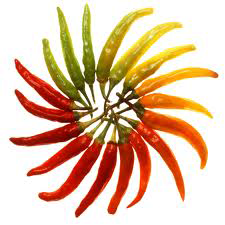
Pungent or Katu rasa food items such as chilies, black and all other kinds of pepper, ginger, garlic, etc: this taste is irritating to the stomach. In addition, it enhances the circulation in the micro-­‐circulatory channels and certain pungent predominant spices and ingredients also thin the blood. So if anyone is taking any anti-­‐ulcerVRTAQOT-img5.jpg medication,they should not consume any pungent foods or ingredients, it will create an antagonistic interaction. Due to its channel opening properties, if an individual is taking vaso-­‐dilating medicine, and consuming pungent foods, they can experience excessive vaso-­‐dilation due to the compounded synergistic effect. Any individual taking blood thinners, if/when they consume certain pungent spices, such as: ginger, garlic, they can run the risk of thinning their blood further.

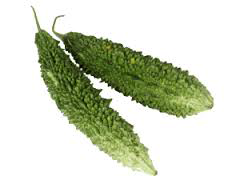
Tikt rasa or the bitter taste, normally stimulates the liver and pancreas, and detoxifies the blood. This rasa can, though synergistic interaction, lower blood sugar levels, leading an individual into unwanted hypoglycemia – too low blood sugar levels. When the bitter rasa awakens the detox processes of the body, any synthetic chemicals tat may be present – and most of modern medicine consists of syntheticVRTAQOT-img6.jpg chemical molecules – will be seen as unwanted in the body. When someone is on medication and consumes the bitter taste in therapeutic doses, they are sending signals to their body to evacuate, detox these chemicals faster then they should be, creating an antagonistic interaction between the bitter taste and the medicines ingested, and leading the body to detox from the modern medicine that it needs at that particular point in time. In this situation, the medicine will either have less or zero effect on the body – it will be cancelled out by the bitter. Another example: one of the side-­‐effects of the bitter taste can be nausea, so if an individual is on anti-­‐nausea medicine, it can create an antagonistic interaction. Here is a brief list of predominant lybitter tasting foods/herbs/spices: neem, karela or bitter gourd, coffee and coffee bean, bitter drumsticks, bitter leafy greans, turmeric.

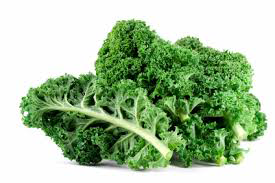
VRTAQOT-img7.jpgKashai or astringent rasa: such as greens like Swiss chard, spinach, enhance absorption of nutrients in general, supporting the liver. Some greens though, the ones darker in color, also thicken the blood. So if an individual is taking any blood thinners, it can create an antagonistic interaction by thickening the blood.

So how should an ayurvedic practitioner deal with medical conditions, even as and when they work hand in hand with a medical physician? As you can see, it is not a good idea to avoid food or spices when they create a synergistic interaction. On the contrary, that synergistic power should be used to the benefit of the patient, to help gradually minimize the doses of medication, because in this case food materials will not have unwanted side-­effects as they are managed wisely. In this situation, we are attempting to get the desired results from food materials and spices rather than medicine. But just as synergistic interaction is beneficial and can be tailored safely while working with an MD and getting testing regularly by a lab, antagonistic reactions should be avoided. This means: measures should be taken so that a diet should not create road-­ blocks for the medicine. Food or spices that can potentially reduce or block the effect of any drug should not be used and consumed. Dear Nancy, this is a big topic and a very pertinent question, here I tried to answer it as succinctly as possible. I hope to elaborate on this further in the futue. In the meantime, I hope this helps.

Ancient Medicine for Modern Times By Dr Marianne Teitelbaum

Boswellia Serrata for your Health

We are all so fortunate to be able to share the knowledge from the timeless archives of Vaidya Mishra’s family lineage. I have been especially honored to be able to sit, side-by-side, with Vaidya for the past 15 years, when he visits my clinic and teaches me, on-site, how to take care of the numerous health problems that I encounter on a daily basis.

I feel the need to share with you some of the practical knowledge I have acquired learning with Vaidya, as it is so simple yet precious. So I have decided to periodically write up case histories, that sometimes even amount to almost miraculous stories. When you how, through the practical SVA teaching, how to use and incorporate divine herbs, there is literally no limit to what you can do with them, how much you can heal with them. I will also be sharing with you any other pertinent tidbits of knowledge that I’ve collected out here in the field.

Since this is the Holiday Season, I begin my first story with a well-known herb, Boswellia. Dr. Mishra gives us the capability of taking it in a glyceride or, as he calls it, Herbal-Memory Nectra drop form, since many people need high doses, and the crude herbs could disrupt the digestive tract when/if taken in large doses over long periods of time.

This is an herb I simply cannot keep on the shelves. It is a powerful anti-inflammatory and works like an Ayurvedic prednisone! It can be used for inflammatory bowel disease, such as ulcerative colitis and Crohn’s disease, for bronchitis and asthma or other inflammation in the lungs and for joint and muscle pains (as in osteo or rheumatoid arthritis).

In all inflammatory processes, there is increased formation of leukotrienes. The key enzyme for leukotriene biosynthesis is 5- lipooxygenase. Boswellia inhibits (stops) the enzyme 5- lipooxygenase from forming.

As their name implies, leukotrienes were first discovered in leukocytes but have since been found in other immune cells.

Leukotrienes regulate immune responses. For example,  leukotriene production is usually accompanied by the production  of histamine and prostaglandins, which also act as inflammatory  mediators.

One of the roles of leukotrienes (specifically, leukotriene D4) is to  trigger contractions in the smooth muscles lining the trachea;  their overproduction is a major cause of inflammation in asthma  and allergic rhinitis. Leukotriene antagonists (Boswellia in this  case) are used to treat these disorders by inhibiting the  production or activity of leukotrienes.

Leukotrienes contribute to the pathophysiology of asthma, causing or potentiating the following symptoms:

  • Airflow obstruction
  •  Increased secretion of mucus
  •  Mucosal accumulation
  •  Broncho-constriction
  •  Infiltration of inflammatory cells in the airway wall

Almost every time I put a patient on this herb, they come back and tell me how much better they feel since going on it. I am especially grateful for this wonderful herb. Last year I developed asthma after a prolonged bout of bronchitis. I went to a highly revered pulmonologist in Philadelphia from Jefferson University, the most distinguished medical institution in this area.

She told me the only way I could cure my condition was to take a steroid inhaler and a bronchodilator inhaler for several months to clear up the inflammation in the smaller bronchial tubes.

However, my body rejected the inhalers and they actually produced the opposite reaction in me – they closed up my lungs. After taking the Boswellia Nectar drops for 5 months (along with other herbs to heal the lungs) I went back to the pulmonologist for my lung function studies.

The small airways which were only working up to 85% capacity were now working 115%! The pulmonologist was shocked – when I had left her office the last time (in early July) she had warned me that the only way I could heal my lungs was to take the two inhalers. She told me that if I didn’t my condition would worsen to the point where I needed more and more rescue inhalers.

I left her with all the research on the herbs – she told me she’d see me in a year for a quick checkup and she said she was highly interested in learning more about the use of herbs for lung conditions.

As I was researching Boswellia on my own last summer, I found out it also comes under the name of “Frankinsense”. I told Dr. Mishra that the Three Wise Men presented this herb to Christ when he was born and now I understand why. Its capabilities are tremendous!

He told me that the three magi, or the Three Wise Men, were descendants of the Shakaldwipa Brahmins, his own family lineage! I felt humbled to be part of such a divine lineage treating people in this modern day and age with the ancient knowledge of these great seers.

So, as we enter the New Year, I would like to wish all of you happy and healthy holidays and a joyous new year. I hope you enjoy all the stories of my experiences with these wonderful herbs and using all the information of Vaidya Mishra’s SVA lineage. Dr. Mishra has taught me a wealth of knowledge. Ihave loved sitting by his side all these years hearing the stories of the herbs and I am excited to show you some of the miracles I have witnessed over these past 15 years.

Marianne Teitelbaum, D.C.
December 25, 2012

Ancient Medicine for Modern Times: Magnesium By Dr. Marianne Teitelbaum

Over the next several months, I will be periodically writing about the importance of magnesium in our lives. I want everyone to know how this mineral works on various levels of the physiology. I will be writing several articles, each showing how magnesium works in preventing almost every disease you can think of.

So why is magnesium so important? Why is magnesium considered the “Lamp of Life?”

First, inside chlorophyll is the lamp of life and that lamp is magnesium. The capture of light energy from the sun is magnesium-dependent. Magnesium is bound as the central atom of the porphyrin ring of the green plant pigment chlorophyll. Magnesium is the element that causes plants to be able to convert light into energy and chlorophyll is identical to hemoglobin except the magnesium at the center has been taken out and iron put in.

Chlorophyll systems convert energy from visible light into small energy-rich molecules easy for cells to use.

As Dr. Mark Sircus puts it in his book, Transdermal Magnesium Therapy: “Chlorophyll with its magnesium core is recognized as one of nature’s richest sources of important nutrients where its rich green pigment is vital for the body’s rapid assimilation of amino acids and for the synthesis of enzymes. Thus, hundreds of enzymes need magnesium in order to work, which is why magnesium affects every aspect of our physiology.

Magnesium is needed by plants to form chlorophyll, which is the substance that makes plants green. Without magnesium sitting inside the heart of chlorophyll, plants would not be able to take nutrition from the sun because the process of photosynthesis would not go on. When magnesium is deficient things begin to die. In reality we cannot take a breath, move a muscle or think a thought without enough magnesium in our cells.”

Let’s first see how magnesium’s influence on stabilizing the thyroid gland:

THE IMPORTANCE OF MAGNESIUM IN OUR LIVES. PART 1: THE ELUSIVE THYROID GLAND

This is a common scenario I see almost every day in my practice. I have a patient (usually female, although can occur in men as well), at any age, usually from the teens on through postmenopausal.

They present with all the symptoms of thyroid imbalance: loss of hair, weight gain, muscle cramping, cold hands and feet, irregular menstrual cycles, low energy, heartbeat irregularities, and so on.

They see their doctor and bloodwork is ordered. All the values for the thyroid gland are within normal limits. So the patient tries numerous things for her symptoms:

  •  prescription medicines for the thyroid from the allopathic doctor
  • thyroid glandular and iodine or kelp from the holistic doctor
  • ashwagandha from the Ayurvedic doctor

But nothing seems to work. The patient becomes frustrated as the symptoms continue to mount.

The problems continue, because the real issue is not being addressed.

First, we need to see what is draining the thyroid – going to bed late, rushing through the day, stress, hyperactivity, too much talking and overuse of the senses.

Then we need to make sure the diet is healthy – I will not go into details on the diet since most of you know this by now.

But then the patient needs to understand this very important point as well: THE SYMPTOMS OF MAGNESIUM DEFICIENCY ARE IDENTICAL WITH MANY OF THE SYMPTOMS OF THYROID DISEASE.

So now let’s address this very important issue.

When calcium and magnesium are not in balance the thyroid is affected. Magnesium carries calcium into the cell. The lack of magnesium will cause calcium to stay on the outside of the cell and build a “calcium shell” which allows a low cell hormone permeability. This means the thyroid hormones cannot get into the cell because they cannot pass through the calcium buildup. So the person is making enough hormones, but they can’t get to their targeted site.

Many patients complain of irregular heartbeats or a fast pounding heartbeat. The primary function of magnesium that is critical in thyroid disease is that it enables the muscles to relax. With inadequate magnesium, the muscles cramp. Many of our patients describe leg or foot cramps or “Charlie horses”. But when this happens to the heart muscles, the heart does not go through a complete relaxation phase then the next contraction begins before the relaxation is complete. This results in rapid heartbeats and/or an irregular heart rate known as an arrhythmia.

If magnesium is low, the Vitamin D levels will be low since magnesium plays a role in the metabolism of cholesterol and Vitamin D is made from cholesterol. If Vitamin D goes low, then thyroid function will be affected. And conversely, Vitamin D, a fatsoluble vitamin, aids in the absorption of magnesium into the cells.

Magnesium is found in the blood and the spinal fluid and is the only electrolyte found in higher concentration in the spinal fluid than in the blood.

The reason for the large magnesium content in the spinal fluid isthat the mineral is necessary for balancing the stimulating effects of the body’s hormones. The purpose of thyroid, gonadal, adrenal and other hormones is to charge up or excite the body. Magnesium tends to slow down and relax the system, thus regulating the hormones and achieving a happy medium.

When magnesium is deficient there is no regulation. This can cause osteoporosis, periodontal disease, epilepsy, hyperirritability, overactivity, and nervousness. Magnesium is important in bone formation (more details about this in another article). If deficient, the bone tissue suffers and the hair falls out.

And finally, magnesium deficiency can cause low levels of DHEA. Known as the “mother of all hormones”, DHEA is converted in the body into several different hormones, including estrogen and testosterone. This hormone (DHEA) is made in the adrenal cortex, along with cortisone, hydrocortisone, and aldosterone. These steroid hormones are created from cholesterol. However, cholesterol cannot be synthesized without magnesium. So if magnesium is low, it begins a cascade of hormonal deficiencies, including the thyroid, adrenals and sex hormones.

It is estimated that 80% of people in developed countries have magnesium deficiency. Here are the common causes:

  • Synthetic Vitamin C competes with magnesium absorption and thus depletes it in the system (it’s better to eat the fruit containing the Vitamin C than to take synthetic Vitamin C supplements)
  • Poor diet
  • Water which is lacking minerals from the earth
  • Prescription drugs
  • Stress
  • Eating sugar – it takes 50 molecules of magnesium to process one molecule of refined white sugar, which quickly depletes magnesium
  • Diabetes causes the body to flush out important minerals, including magnesium
  • Malabsorption – lack of friendly bacteria in the gut
  • Taking synthetic calcium supplements
  • Alcohol, coffee, soda and birth control pill use
  • Synthetic oral Vitamin D – it binds the magnesium (I will be writing an article about the transdermal Vitamin D that Vaidya Mishra makes in another article – this is safe to use and won’t deplete magnesium)

Foods high in magnesium are:

  •  Whole wheat
  • Coconut
  • Spinach (cooked)
  • Avocado
  • Sunflower seeds
  • Dandelion greens
  • Raisins
  • Green peas
  • Blackberries
  • Beets
  • Broccoli
  • Green leafy vegetables (cooked)
  • Orange juice (fresh-squeezed)

So, until the magnesium levels are normalized the thyroid function will continue to be low, even if the patient is on the thyroid medicine, glandular or ashwagandha

It is recommended that magnesium be taken transdermally (through the skin) since taken orally will upset the intestinal tract and the kidneys

We have several transdermal ways of getting this important nutrient: Dr. Mishra has made for us: Relaxing and Detoxifying Bath Pouches (used in the bath – soak in the tub for 20 minutes using one bath pouch each time)

  • these have high quality and highly absorbable magnesium Dr. Mishra isolated out of his soma salt.

We also have Vata Oil with Magnesium and Vitamin D. Do a 20-minute oil massage as many days a week as time will allow

And an upcoming article will feature the new Magnesium Rollon Dr. Mishra will be putting on the market soon –– we are eagerly awaiting this much-needed remedy! I personally will be prescribing this for every patient of mine.

So now, you can see we have several ways to address this imbalance, thanks to the foresight of Vaidya Mishra and his family lineage of Shaka Vansya Ayurveda (SVA), which have been treating patients transdermally for over 5,000 years.

Dr. Marianne Teitelbaum
Cinnaminson, New Jersey
856-786-3330


Comfortably Cool with Coconut

CCC-img2Vaidya explains that based on the natural ayurvedic cycle of “sanchay” (accumulation), “prakop” (aggravation), and “prashaman” (pacification), summer is the time for the “sanchay” or accumulation of pitta, while late summer and early autumn is the time for the “prakop” or aggravation of pitta. That is why, Coconut kind of dravya-s (edible materials) are good for consumption now, as they pacify the end of summer “prakop” or accumulation of pitta. In this article, Dr. Teitelbaum reminds us about this all-in-one wondrous fruit, a favorite of the ayurvedic shatra-s or texts, and modern science as well!

… In Ayurveda, coconut is considered to be a “mahamedhya” which means it is a great nourishing source for the “medhya” or the mind. It is also known to have the “santarpana” property, meaning it supplies balanced fatty lubrication for the brain.

In addition, coconut is “trishna nigrahan:” it removes excessive thirst. It is also “rasayan” – it nurtures the cellular system….

RCW-img1Based on the natural ayurvedic cycle of “sanchay” (accumulation), “prakop” (aggravation), and  “prashaman” (pacification), summer is the time for the “sanchay” or accumulation of pitta, while late summer and early autumn is the time for the “prakop” or aggravation of pitta. That is why, Coconut kind of dravya-­‐s (edible materials) are good for consumption now, as they pacify the end of summer “prakop” or accumulation of pitta. In this article, Dr. Teitelbaum reminds us about this all-­‐in-­‐one wondrous fruit, a favorite of the ayurvedic shatra-­‐s or texts, and modern science as well! In addition, you can also watch Malvika in her SVA Kitchen, to learn how to make coconut chutney, savory coconut chips, or coconut probiotic milk, on Vaidya’s YouTube SVA Health channel.


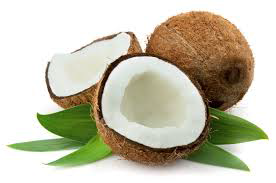
RCW-img2Coconut is a favorite “dravya” or material in the SVA tradition. Vaidya recounts that whenever he traveled in the summer, in India, raw coconut water would be his preferred rehydration drink. Street peddlers would sell whole raw coconut ready to be chopped open on the spot for thirsty travelers – the best support against humid heat and dehydration. The sutra-­‐s say that coconut water and coconut is very rich in “soma,” but Vaidya  reminds us that coconut water has liquid soma, which is not clogging, while coconut pulp or flesh  has earthy soma, which can clog, particularly if someone has low agni or slow metabolic fire. Coconut oil, on the other hand, is soma predominant agneya, so it’s easier on metabolism even though it can cause some kapha aggravation or heaviness. But it’s not all.

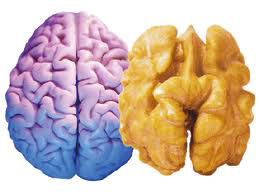
In Ayurveda, there is an interesting precept called “svarup guna” perhaps best translated as: “what you see is what you get”! In other terms, it is the idea that shape (or form) and function are intimately connected. This meansCCC-img1 that the shape gives away the properties that we can expect. The best quickest example is to think of the walnut and how it is shaped like the brain. In addition, we know now that a walnut is, in comparison to other nuts, very high in omega-­‐3 fatty acids, which supports and nourishes the brain. The walnut looks like a brain and is a great food for the brain.

In this sense, a coconut is said to look like the skull, a dravya or food item that nourishes the skull and what it houses: the brain. In Ayurveda, coconut is considered to be a “mahamedhya” which means it is a great nourishing source for the “medhya” or the mind. It is also known to have the “santarpana” property, meaning it supplies balanced fatty lubrication for the brain.

CCC-img2In addition, coconut is “trishna nigrahan:” it removes excessive thirst. It is also “rasayan” – it nurtures the cellular system. It is only contraindicated if an individual has high kapha imbalance or is a high kapha body type, and carries clogged channels, has low metabolic fire or low agni, or has high shleshak kapha or too much lubrication naturally.

More specifically, it is to be avoided if an individual has imbalances with overall circulation (shleshak kapha) or congestion in the chest area in general – bronchitis etc.. Here is what Dr. Marianne Teitelbaum found, in modern research, on Coconut water and milk. Coconut water and milk have innumerable health benefits. She says:

“Coconut is highly nutritious and rich in fiber, vitamins, and minerals. It provides many health benefits and possesses healing properties. It is used extensively in traditional medicine among Asian and Pacific populations. Pacific Islanders consider coconuts to be the cure for all illnesses.

CCC-img3

The coconut is so highly valued by them as both a source of food and medicine that it is called “The Tree of Life”. Only recently has modern medical science unlocked the secrets to coconut’s amazing healing powers.

In traditional medicine around the world coconut is used to treat a wide variety of health problems, including the following: abscesses, acne, asthma, baldness, bronchitis, bruises, burns, colds, constipation, cough, dysentery, earache, fever, flu, gingivitis, gonorrhea, irregular or painful menstruation, jaundice, kidney stones, lice, malnutrition, nausea, rashes, scurvy, skin infections, sore throat, swelling, syphilis, toothache, tuberculosis, tumors, typhoid, ulcers, upset stomach, weakness, and wounds.

Modern medical science is now confirming the use of coconut in treating many of the above conditions. Published studies in medical journals show that coconut, in one form or another may provide a wide range of health benefits. Some of these are summarized below:

  • Kills viruses that cause influenza, herpes, measles, hepatitis C, SARS, AIDS and other illnesses
  • Kills bacteria that cause ulcers, throat infections, urinary tract infections, gum disease and cavities, pneumonia, and gonorrhea and other diseases
  • Kills fungi and yeasts that cause candidiasis, ringworm, athlete’s foot, thrush, diaper rash and other infections
  • Expels or kills tapeworms, lice, giardia and other parasites
  • Provides a nutritional source of quick energy
  • Boosts energy and endurance, enhancing physical and athletic performance
  • Improves digestion and absorption of other nutrients including vitamins, minerals and amino acids
  • Improves insulin secretion and utilizations of blood glucose
  • Relieves stress on pancreas and enzyme systems of the body
  • Reduces symptoms associated with pancreatitis
  • Helps relieve symptoms and reduce health risks associated with diabetes
  • Reduces problems associated with mal-­‐absorption syndrome and cystic fibrosis
  • Improves calcium and magnesium absorption and supports the development of strong bones and teeth
  • Helps protect against osteoporosis
  • Helps relieve symptoms associated with gallbladder disease
  • Relieves symptoms associated with Crohn’s disease, ulcerative colitis, and stomach ulcers
  • Improves digestion and bowel function
  • Relieves pain and irritation caused by hemorrhoids
  • Reduces inflammation
  • Supports tissue healing and repair
  • Supports and aids immune system function
  • Helps protect the body from breast, colon and other cancers
  • Is heart healthy: improves cholesterol ratio reducing risk of heart disease
  • Protects arteries from injury that causes atherosclerosis and thus protects against heart disease
  • Helps prevent periodontal disease and tooth decay
  • Functions as a protective antioxidant
  • Helps to protect the body from harmful free radicals that promote premature aging and degenerative disease
  • Improves utilization of essential fatty acids and protects them from oxidation
  • Helps relieve symptoms associated with Chronic Fatigue Syndrome
  • Relieves Symptoms associated with benign prostatic hyperplasia (prostate enlargement)
  • Reduces epileptic seizures
  • Helps protect against kidney disease and bladder infections
  • Dissolves kidney stones
  • Helps prevent liver disease
  • Is lower in calories than all other fats
  • Supports thyroid function
  • Promotes loss of excess weight by increasing metabolic rate
  • Is utilized by the body to produce energy in preference to being stored as body fat like other dietary fats
  • Helps prevent obesity and overweight problems
  • Applied topically helps to form a chemical barrier on the skin to ward off infection
  • Reduces symptoms associated with psoriasis, eczema and dermatitis
  • Supports the natural chemical balance of the skin
  • Softens skin and helps relieve dryness and flaking
  • Prevents wrinkles, sagging skin and age spots
  • Promoted healthy looking hair and complexion
  • Provides protection from damaging effects of ultraviolet radiation from the sun
  • Helps control dandruff

This long list of health benefits comes from the fact that the type of fat in coconuts is a medium-­‐chain fatty acid (MCFA). 98% of all the fats we eat consist of long chain fatty acids (LCFA). It’s the medium chain in the coconut oil that makes it different from all other fats and for the most part gives it its unique character and healing properties.

Medium chain fatty acids are easily digested, absorbed and put to use in nourishing the body. Approximately 50% of the fatty acids in coconut fat are lauric acid, a fat found in mother’s milk. Lauric acid has the beneficial function of being formed into monolaurin in the body. Monolaurin is the antiviral, antibacterial, and antiprotozoal monoglyceride used by the body to destroy lipid-­‐coated viruses such as HIV, herpes and influenza.

Unlike other fats, they put little strain on the digestive system and provide a quick source of energy necessary to promote healing. This is important for patients who are overcoming serious illness or injury. Even athletes are now using them to boost performance and control weight.Unfortunately, few foods contain this type of fat; the best source is from coconuts – fresh, not canned – the canned coconut milk is lacking all the vitamins and minerals in the fresh product.

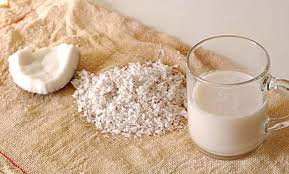
CCC-img4So now you have 4 ways to use a coconut – just tapping into the top soft hole of the coconut, and pouring out the coconut water an drinking it immediately (once it is taken from the coconut, the nutrients start to oxidize, make sure it does not taste sour or rancid/old), making a cultured probiotic drink from the coconut water (see Malvika make it on You-­‐Tube) making freshly made and highly nourishing coconut milk (blend the coconut meat with water and strain) and using the dessicated coconut meat left behind after making the coconut milk. Keep in mind that we normally do not recommend eating or cooking with coconut oil unless you have a
strong digestive fire, since it is a cold fat, too heavy and hard to digest. You could, however, massage the body with it during the summer or anytime if you have excess pitta (heat) in the system or rashes on the skin. Some people say that using coconut oil for their daily oil massage actually makes their rash a little worse. This can happen due to the coldness of the coconut oil closing up the pores in the skin, making it difficult for the heat to escape, thus creating a buildup of heat and a worsening of the rash (or eczema, etc.). We have an oil called “SVA Pitta Abhyanga Oil” which has herbs cured into it to prevent the pores from closing up, which will help give you the benefit of the cooling coconut oil without the side effects of the heat getting trapped under your skin. Keep in mind that the skin absorbs all the beneficial nutrients in the oil; you don’t have to swallow and digest the oil to gain its benefits.

Adding some coconut to your daily regimen, either through your diet, or transdermally, through Vaidya’s creams or oils, can only be a great step towards optimizing your health mental and physical.”

Why Oil Yourself for Detox ?

WOYFD-img1The ancient ayurvedic sages knew that a lot of toxins are lipid soluble. Without the availability of our modern technology they understood that many toxins settle their residence in the fat tissue and getscarried and dispersed through the fat molecules. In this sense, Bitter detox oilthe fat tissue and fat molecules of the body easily become the host for these fat soluble toxins. When allowed to sit for extended periods of time, these toxins may cause irreversible damage.

WOYFD-img2When Vaidya formulates an herbal massage oil, he extracts the lipid soluble molecules of the herbs into the oil and couples them in such a way that they carry a detoxifying or “shodhana” effect along wiPitta with magnesiumth the nurturing, “santharpana” and pacifying “shamana” properties.

This week we highlight the launch of Vaidya’s 3 new body massage oils: the Pitta with Magnesium, Turmeric with Magnesium, and Bitter Detox Massage oil.

Why Magnesium? Magnesium is an oil-soluble mineral which has all three desired properties that support the overall health of the body: shodhana santharpana and shamana. Vaidya’s new oils have been formulated to supply santharpana and shamana in order to avoid unbalanced uncontrolled detox or shodhana. Whenever you do a detox program and you pull out and evacuate toxins, you have to replace those toxins with nutrients in order to  complete the process. In addition, you need to pacify the specific subdoshas that you may have imbalanced through that de-tox. These oils have been formulated to address your daily safe and effective detox through balanced herbal synergies.

WOYFD-img3These oils also contain a perfect selection of essential oils – all 100% natural. These essential oil act like “yog-vahi”s, they are the carriers that transport the herbal molecules into the nooks and crannies of your system faster and more effectively.

It is best to use any of these massage oils in the morning. Warm a bottle up in your sink under running hot water, then apply in the palm of your hand and massage your extremities and body (if using the Bitter Detox oil, apply only below the knees and elbows, or only the feet). Leave on for 20 minutes then shower off.

Amla is Dhatri – Nurturing like Mother’s Milk!

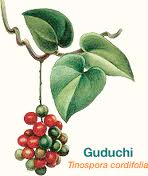
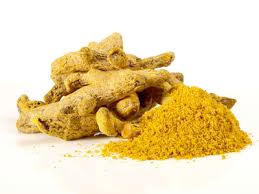
One day, during one of our many conversations, my father told me that turmeric the spice, Guduchi the Amrita plant, and Amla, the berry or fruit are the best ingredients of Ayurveda. I asked why? He replied:

  • AIDN-img1Turmeric, because it detoxifies the liver;
  • Guduchi, because it cleans and rejuvenates the cellular system;
  • And Amla, because it is innocent like mother’s milk and has the greatest Rasayana or rejuvenative effect on the body.

Another name for Amla in the ayurvedic tradition is dhatri- one that nourishes like mother’s milk and is without side effects. My father explained that every ingredient in Ayurveda deserves to be studied in all its details, covering all aspects from its common use to its processing. When it came to the Amla, I learnt that he favored the generic wild harvested amalaki berry over any of its existing ‘hybridized’ forms. I have, since then, researched this personally and come to appreciate the wisdom of his ways.

Amla is Dhatri – nourishing like mother’s milk….

One day, during one of our many conversations, my father told me that turmeric the spice,  Guduchi the Amrita plant, and Amla, the berry or fruit are the best  ingredients of Ayurveda. I asked why? He replied:

  • AIDN-img2.jpgTurmeric, because it detoxifies the liver;
  •  Guduchi, because it cleans and rejuvenates the cellular system;
  • And Amla, because it is innocent like mother’s milk and has the  greatest Rasayana or rejuvenative effect on the body.

AIDN-img3.jpgAnother name for Amla in the ayurvedic tradition is dhatri- one that nourishes like mother’s milk and is without side effects. My father explained that every ingredient in Ayurveda deserves to be studied in all its details, covering all aspects from its common use to its processing. When it came to the Amla, I learnt that he favored the generic wild harvested amalaki berry over any of its existing ‘hybridized’ forms. I have, since then, researched this personally and come to appreciate the wisdom of his ways.

There are dozens of reasons why amla is the one fruit that you can consume safely on a regular basis regardless of what body type you have or any other details. For more details you can watch my youtube video, but here is a short list of what it can do for you at a quick glance:

  1. Amla is the number one ingredient for protein synthesis, it will nourish and maintain your muscle tissue and enhance absorption and digestion of protein, nurturing and balancing your brain health as well
  2. It is a powerhouse of Vit C as it contains a particular molecule of Vit C that does not decompose and does not have an acidic but rather alkaline after-effect in your body
  3. It is a-mala-ki: no mala or toxin ‒ in this sense it supports your digestive system, strengthening your pachak agni so your body makes less or zero ama or toxic build-up ‒ the number one cause for eventual disease. As a result of correction digestion and assimilation, it facilitates optimal elimination
  4. It is called “vyastha” ‒ it bestows everlasting youth because it is balancing to all body types, and highly alkalizing
  5. When digestion and elimination are balanced, toxin are not produced and do not stand a chance of accumulating in your skin ‒ Amla supports the health and glow of your overall skin
  6. Due to its alkalizing pitta dosha balancing effect, it helps support the liver to detoxify the blood
  7. Out of the 6 possible tastes that are known to balance the psycho-physiology of humans, amla contains all 5 except for salt (sweet sour bitter astringent pungent); it is thus fullybalancing in and of itself not just for the physical body, but for the mind and emotions as well ‒ for all 3 psycho-physical body types: vata pitta and kapha
  8. AIDN-img4.jpgIt is a hormonal modulator for both men and women, maintains optimal hormonal health and enhances fertility in both men and women
  9. It is a “medhya” : considered particularly nourishing for the brain and its 3 functions of mental activity: “dhi dritti and smritti” ‒ gathering storing and recalling.
  10. Last but not least, it is revered as a rasayana: while many herbs will have many wonderful lifesupporting properties, not all will carry the property of rasayana or rejuvenation. The Amla berry is famed for being a rejuvenative: it nurtures and supports the health of your body from the inside out, and has an effect on your consciousness as well. It raises your “satwa” or positive pranic energy flow and distribution.

There are yet many more properties and benefits to it. I list more in my youtube video, click on the link in the newsletter. But you have to be careful!

Due to its great healing and balancing properties and characteristics, its great popularity as an ayurvedic plant1, the amalaki berry has been widely harvested and hybridized, resulting in a common popular fruit that carries very little of its original healing properties. My father had taught me to look for and identify the wild harvested generic fruit that is much smaller in size, with a larger seed, and less yield, but with all the great properties of the fruit. In addition, he also taught me very specific protocols for preparing the fruit so as to get the most out of it.

AIDN-img5.jpgThe Process of SVA Wild Amla Preparation

In the Shaka Vansiya lineage we have a very particular method of preparation that has made for the popularity of my Wild Amla herbal formulation for the last 10 years. So much so that competitors have now been trying to market

1 It is one of the oldest oriental medicines mentioned in Ayurveda as potential remedy for various ailments since the fruit is rich
in quercetin, phyllaemblic compounds, gallic acid, tannins, flavonoids, pectin and vitamin C and also contains various
polyphenolic compounds. A wide range of phytochemical components including terpenoids, alkaloids, flavonoids, and tannins
have been shown to posses useful biological activities. Many pharmacological studies have demonstrated that the fruit shows
antioxidant, anticarcinogenic, antitumour, antigenotoxic, anti-inflammatory activities, supporting its traditional uses. See
Amala, Protein Synthesis, and Human trials in Journal of Applied Pharmaceutical Sciences “Phytochemistry, traditional uses and
cancer chemopreventive activity of Amla (Phyllanthusemblica): The Sustainer.” (2011) Ekta Singh, Sheel Sharma, Ashutosh
Pareek, Jaya Dwivedi, Sachdev Yadav

amla products of a lesser grade through my own words. They copy the knowledge without delivering the goods. They even use the adjective “wild” on their labels. You have to be very careful in selecting your amla product.

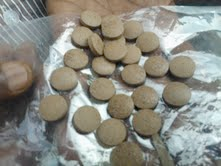
We just received a new batch at www.chandika.com. It took much longer than anticipated and we’ve been out of stock on this product for the past several months. Our SVA team in India was gathering all the wild fruits they could find. Since it is the wild fruit, the yield is less and sporadic. When we finally gathered enough, our technical staff very carefully cleaned and then processed the fruit on low heat over long periods of time. Our current tablets are not as dark as our previous batch, as we have further refined our manufacturing processes to get closer to the ideal SVA manufacturing methods. In this batch, our tablets are not as dark as they were in previous batches, and this does not mean that they are less concentrated. We have made each tablet more efficacious by processing them less to bring out more potency and efficacy. It’s the method of extraction vs slow-cooking.

If you are curious, these are some of the steps that we follow: we gather fresh grade A wild Amla berries that are pitted to remove the seed and filter out the fiber. Wild Amla is then pulped and dried at low heat. Another fresh batch of Amla is juiced to be added to the dried pulp. This mixture is then blended thoroughly. This process of drying pulp and juicing is repeated eleven times before the final preparation of the dried tablets. Preparation of Amla is time-consuming and labor intensive. The low heat drying is critical in this preparation because of the high content of Ascorbic acid in Amla. So much ascorbic acid that someAIDN-img08 researches claim 1 fresh Amla berry equals 16 bananas and 3 oranges2. The heat sensitivity of ascorbic acid dictates that the vitamin and other nutrients of Amla are best preserved with the juicing process. Research has shown that applying high heat to ascorbic acid results in a darker color, this can be an indication of bleaching3. Our wild Amla maintains the balanced level of ascorbic acid as shown through its lighter color achieved from the slow pulp-and-juice preparation. The current batch uses this process.

Recent researches have also concluded that Amla enhances protein synthesis4 . In  my practice, the dictum of Ayurveda  remains that if one’s digestion,  assimilation, and synthesis of protein is in balance, then one achieves a balanced physiology.

Many cancer patients have now come to rely on Amla for its chemo preventive properties with  less danger of herb-drug interaction.

There is no end to lauding the benefits of this ancient berry. In general, for daily usage, taking 1  tablet after breakfast and 1 tablet after lunch is recommended. For specific health needs, the dosage can be increased to 3 tablets after breakfast and 3 tablets after lunch. Or it is always best  to consult with your SVA expert.


The Wild in Amla!

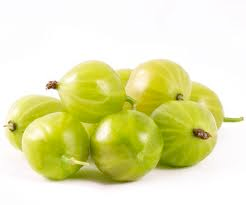
236 (1)As a child perhaps your imagination was also swayed by tales where enhancing trees and fruits gave superhuman powers to the pure and heroic at heart. Fiction and our wildest dreams are more true than reality, and nowhere is this better seen than in Ayurveda. When it comes to the kingdom of plants, the Amla berry tree fulfills that promise. Officially classified as Indian Gooseberry tree, (Phyllanthus emblica or Emblica officinalis), the Amla or Amalaki plant is a deciduous tree of the Phyllanthaceae family. It is small to medium size with spreading branches. It is a very generous tree, as no part of the Amla plant goes to waste! The fruit, seeds, leaves, root, bark, and flowers are all beneficial and are used in different preparations and carry all kinds of different healing properties. But what really makes up Amla’s balancing power? What is it in this berry that defies our common expectations?

The ancient rishi-s, or enlightened seers of India who cognized the universe and lay down Vedic knowledge, explaining every aspect of it on a cosmic as well as minute level, also taught us that in order for us to be happy with healthy bodies, we need to maintain a daily diet that contains six different tastes. According to them, all the food items, whether natural or prepared, that have existed or will exist, are made up of 3 three primary elements that make-up our universe, Soma, Agni, and Marut. When these 3 primal cosmic element come together in different proportions, they create 6 tastes, which are:

~~MISSING CONTENT~~