“What’s in a name? That which we call a rose By any other name would smell as sweet”…
September 11, 2013 by Leave a Comment
Act II, Scene II of Shakespeare’s “Romeo and Juliet”
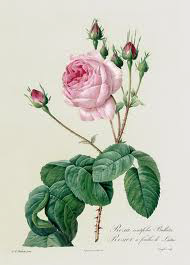 You may remember Juliet’s famous line from Shakespeare’s play. In her monologue, Juliet is trying to reason away the family feud that threatens the budding love between her and Romeo. However, in Ayurveda, unlike what Juliet states, the name of a thing and its actual properties cannot be disassociated without altering the essence of that thing. For example, in Ayurveda, rose is called “taruni,” which means “everyoung.” Its name stands for the youth-promoting benefits and properties it carries: it is good for the emotional heart; pacifying the mind; nurturing the skin; balancing the digestive system; rejuvenating the colon; enhancing metabolism; and it can even be used to promote physical and emotional love… There are hundreds of genera of rose, but one amongst them stands out and carries all the above qualities. It is called “shatpatri” in Ayurveda or known as “Rosa Centifolia” in the west. It is the rose with a hundred (or very many) petals. To better understand how a rose, and particularly, Rosa Centifolia, can have all these benefits all at once, we take a look at its 5 fundamental ayurvedic properties. Every plant, herb, spice, edible item in Ayurveda carries specific pharmacodynamic properties. These are known as the “dravyaguna” – properties or guna-s of that “dravya” or item.
Know your rose from the inside-out
The first property is known as “rasa.” Rasa is the immediate taste that you experience after you put something in your mouth, and it is also the immediate effect that particular taste has on your body. Rose has 3 rasa-s or tastes and effects: bitter, astringent, and sweet. These tastes have different functions and nourish different tissues and pacify doshas. You can read more about this further down.
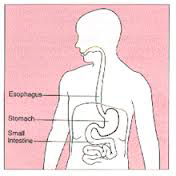 The guna is the second physical property. Rose’s guna is “lagu” which means light, and it is also “snighdha” which means unctuous. This means that when you ingest rose, it behaves like an unctuous but light ingredient in your physiology, lubricating and not clogging any channels or pathways. Then third property is called virya and this is its potency. The rose’s virya is cooling. This means that it acts like a cool ingredient in your body. Imagine the contrast between consuming vinegar, or hard liquor! Compare that hot acidic sensation down your oesophagus to a cool glass of milk. When you consume anything with rose, it cools you up from the inside out. Then there is vipak, which is the post-digestive taste. This means that once you ingest rose petals and they are digested in your stomach and move on to your colon, the bitter and astringent properties it carries are transformed to leave a sweet effect. It is as if you had eaten something sweet. Sweet vipak is soothing, cooling, balancing. It is a highly desirable vipak or property. As the digestive and metabolic process progresses, things become more and more subtle. So the last and most important property is vibrational, meaning it is not possible to measure or analyze under a microscope. It is Ayurveda’s gift to us that it teaches us how to categorize the prabhava of hundreds of thousands of items found under the sun.
The prabhava of rose is “hridya” – this means it moblilizes and supplies prana or the cosmic energy we thrive on to the heart area. Consuming rose redirects more prana to the heart area, balancing and recharging and rejuvenating it.
In this sense, this is what a rose does to your physiology specifically: because it is sweet and unctuous it pacifies Vata dosha – as you know the sweet rasa or taste pacifies vata. The rose’s snigdha or unctuous property also balances vata that tends to be dry. Any dravya or item that has the unctuous lubricating guna or property is pacifying to vata. Then due to its cooling virya or potency, as well as bitter and astringent taste, it is pacifying for Pitta dosha. In its essence, rose is Pitta and Vata pacifying. These properties have a nourishing effect on the nervous system, because rose is known to be a medhya. That is, it enhances dhi dritti smriti. These are the 3 primary functions of the brain for the actions of registering, storing and recalling knowledge and information. When they are operating in a balanced and coordinated manner, the brain is in a stress-free state of bliss.
Another unique property rose has is called “Som Nasya Janana.” This means that rose creates good coordination between the mind and Satwa, the light of the soul, so it’s an instant bliss generator!
What effect does rose have on the digestive system?
According to Ayurveda, rose is balakarika, meaning it strengthens the stomach, intestine and liver organ systems. Bala means strength. In addition,due to its deepana properties, it balances appetite. It is also pachana – it enhances overall metabolism. Another of its properties is anulomana: it helps pacify apana vata by making sure the downward movement of apana is maintained. However, it is not a laxative, unless you consume excessively large quantities of rose. When consumed in small but regular quantities, it enhances absorption of nutrients.
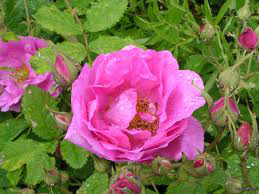 Consuming rose petal products is particularly beneficial when people have high pitta and high vata imbalances. These imbalances are also usually associated with low agni or low metabolic fire in the stomach and tissues. Low agni results in toxic build-up, weight gain, body aches and pains, etc. Eating rose will pacify these two doshas and help reset the physiology on its way to blissful balance.
Rose pacifies the heat in the blood, and thus keeps imbalances in the skin from erupting. Other specific ailments that Rose has been known to help with are amenorrhea (absence of menstrual flow), inflamed eyes, dizziness,headache due to Pitta aggravation, sore throat, enlarged tonsils, nervousness, grief, dullness of the skin and acne caused by Pitta imbalances. There is also another condition where excess pitta gets stuck in the blood tissue, and rose is the ideal remedy for this. Either ingested orally or applied transdermally. Rose is known to help individuals who experience unidentified burning sensations in their body, burning sensations that do not tie in to a diagnosed medical condition. Scientific research on this aspect is not in yet, but Ayurveda promotes the use of rose in such conditions.
And even more balancing properties…
As if all this was not enough, Rose is also considered a wonderful remedy for the physical circulatory system. It is a cardio-tonic, or hridya.
 Rose is also known for its vajikarna properties. We find a lot of recipes in Ayurveda that use Rose to enhance physical and sensual love between partners.Yet one of the most important uses of rose is for the skin. When taken internally, it purifies the sweat of hot acidic toxins that cause harm on the surface of the skin when a person sweats. Regular transdermal use of rose either in poultices or cream formulas cleans the sweat externally, by neutralizing the pH of the sweat, so that when it is released through the skin, it does not cause irritation.
So ultimately rose petals are pitta and vata pacifying. How about the kapha dosha? Does it aggravate this dosha? It depends on the preparation. That is why Vaidya has made a special SVA formula, his Rose Petal Preserve is prepared in such a way as to become almost all Vata, Pitta, and Kapha pacifying. Another option is also to add some freshly ground black pepper when consuming the preserve to make sure it will not aggravate Kapha dosha.
Gulkand
Making preserve out of rose petals is a very old tradition in many cultures, in India, but in the Middle East as well as Europe. However, not all recipes and preserves will have a balancing effect. In India, Rose Preserve is very popular and is called: Gulkand. It is readily available everywhere. But it is usually made with white sugar – we know that the consumption of white sugar depletes our bodies of minerals and lowers our pH, so you want to avoid that. Also, many recipes do not use Rosa Centifolia. Other varities of rose have different properties, so you want to be careful when you are purchasing a rose preserve that it was actually made with Rosa Centifolia.
In addition, many times, the recipes use vinegar, or citric acid, as well as synthetic scent or aroma, or color, to enhance the look and flavor. These are all carcinogenic ingredients you want to steer clear of.
Sometimes preserves sitting on shelves get oxidized or fermented if the formula is not balanced enough. You should watch out. Vaidya Mishra has carefully formulated his SVA Rose Petal Preserve according to his ancient ayurvedic family precepts. He uses natural ascorbic acid balances the sugar molecules. In addition, he uses pectine which microencapsulates the sugar molecules, so that they do not rush into your blood stream and give you a sugar high. Pectine also modulates the sugar molecules to give sustained release into the body. He has added natural essence of Rose Absolute, for enhanced rose properties in addition to organic rose bud petals. Fall in love once more, with and through Vaidya’s SVA preserve jars of pure rose bliss!

A question from Kyle K. who said:
September 11, 2013 by 4 Comments
“Hello, I had a question about probiotic beverages such as kombucha and eating yogurt within the 24 hour period of consuming things like turmeric. What is your stance on kombucha and yogurt? [Some very prominent ayurvedic practitioners in the USA] […] [have] been supportive of both, I’d love to hear your take on it. Thanks again for making such great deodorant and ghee. I’ll be sure to order again soon.”
Kombucha Wonderland: Can we Sip our Way to Perfect Health?
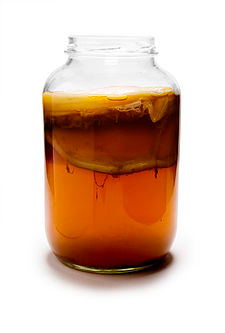 You may not have tried it yet, but you have probably heard of Kombucha (kom-BOO-cha) somewhere somehow because it has taken over our imagination and the market since the early 1990s –Whole Foods Market only recently removed the drink from its shelves because it contains alcohol as a result of the fermentation process. Kombucha tea is also known as Manchurian tea, or Manchurian mushroom; or Kargasok tea; or simply “tea fungus” or “tea mushroom.” It originated in East Asia. It was introduced to Germany at the turn of the century and reached the American continent in the early 1990s when the publisher of “Search for Health”, a bi- monthly magazine in Naples, Fla., touted its virtues.1 But what’s the big hype about anyways?
Seemingly, a one-size-fit-all healing nectar, Kombucha tea has been promoted as a cure-all for a wide range of conditions including aging, anorexia, arthritis, atherosclerosis, cancer, constipation, diabetes, gallbladder disease, gout, hemorrhoids, hair growth and color restoration, headache, hypertension, HIV, immune boosting, indigestion, increased vitality, treatment of alcohol and coffee addictions, and wrinkle reduction. How come? Supporters say that Kombucha tea can boost the immune system and reverse the aging process. Kombucha tea is said to contain antioxidants, compounds that block the action of free radicals (activated oxygen molecules that can damage cells). For people who have cancer, proponents claim the tea can improve the body’s defenses (especially in the early stages of cancer) by detoxifying the body and enhancing the immune system. But how does it work, if at all?
1 Mr. Valente became the American distributor of one of the few books on the subject, “Kombucha: Healthy Beverage and Natural Remedy From the Far East,” by Gunther W. Frank (Wilhelm Ennsthaller, Austria, 1991).
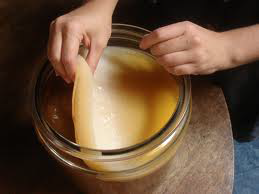 Kombucha tea is made by fermenting sweetened black tea with a culture of yeasts and bacteria called the “Kombucha mushroom” – it is not actually a mushroom, but is called one because of the shape and colorof the sac that forms on top of the tea after it ferments. The white, gelatinous blob of about 12 inches in diameter propagates quickly. It is brewed by placing the fungi in a glass bowl with three quarts of cooled black tea that contain one cup of sugar. It is then covered with cloth and placed in a dark, warm place for a week to 10 days, until it spawns a second disk. The tea is then strained and stored in glass in the refrigerator. The culture contains enough antibiotic to discourage bacteria and its high acid content is quite resistant to invasion by foreign organisms. The tea does not become sufficiently acidic until it has fermented for four or five days. When fermented, the Kombucha creates a sparkling beverage that tastes like hard apple cider.
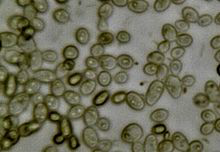 Dr.Jeffrey Gates, who studied the medicinal properties of food at Cornell University, has analyzed Kombucha tea and said that the hope it offered for better health should be tempered. The tea, he said, appears to work primarily in the gastrointestinal track and because it is high in certain acids, it may make it easier for the body to absorb vitamin C and certain B complexes. But, he added, “the anti-carcinogenic qualities of Kombucha are not as great as other folk remedies, such as garlic and yogurt.”2 What about adverse side-effects? Mr. Stamets researched the Kombucha for a pharmaceutical company 15 years ago. He found that “the Kombucha is not a mushroom, but several yeasts living symbiotically with several bacteria that produce a powerful antibiotic […] It could be a fabulous addition to drug therapies, […]but we have little idea of what it is, no idea what its side effects are and no doubt that it can become contaminated by spores in the air. You could kill yourself or your friends with a contaminated culture.” 3
Contamination and yet more adverse effects
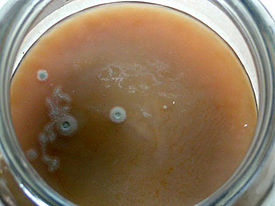 The culture used in Kombucha tea varies, but consists of several species of yeast and bacteria.4 Because there are several types of yeast and bacteria that can grow under distinct conditions, different Kombucha brews may contain different types. Of course, since cultures and preparation methods vary, Kombucha tea may contain contaminants such as molds and fungi, some of which can cause illness. In addition,after the tea is fermented, it is usually highly acidicand contains alcohol, ethyl acetate, acetic acid, and lactate. In April 1995, two women who had been drinking the tea daily for 2 months were hospitalized with severe acidosis — an abnormal increase of acid levels in body fluids. Both had high levels of lactic acid upon hospitalization. One woman died of cardiac arrest 2 days after admission. The second woman’s heart also stopped, but she was stabilized and recovered. The mushrooms used by both women came from the same “parent” mushroom. While no direct link to Kombucha tea was proven in this case, the U.S. Food and Drug Administration (FDA) warned consumers to use caution when making and drinking the tea.5 In 2009, a 22-year-old man was hospitalized with trouble breathing, fever, confusion, and high lactic acid levels within 12 hours after drinking Kombucha tea. He recovered, but his doctor believed that the tea was the cause of his lactic acidosis – a rare but serious and often fatal condition. 6 Here is another case of intoxication. It was a case of hyperthermia, lactic acidosis, and acute renal failure within 15 hours of Kombucha tea ingestion: a 22 year old male, newly diagnosed with HIV, became short of breath and febrile to 103.0F, within twelve hours of Kombucha tea ingestion. He subsequently became combative and confused, requiring sedation and intubation for airway control. Laboratories revealed a lactate of 12.9 mmol/L, and serum creatinine of 2.1 mg/dL. Several case reports exist of serious, and sometimes fatal, hepatic dysfunction and lactic acidosis within close proximity to ingestion.7 While Kombucha tea is considered a healthy elixir, the limited evidence currently available raises considerable concern that it may pose serious health risks as it may be associated with life-threatening lactic acidosis.8 Deaths have been linked with the excessive drinking of the tea as shown. In addition, several experts warn that since home-brewing facilities vary a great deal, the tea could become contaminated with harmful germs. These germs could be especially dangerous to people with HIV, cancer, or other immune problems. Anthrax of the skin has been reported, as has jaundice, a yellowing of the skin and eyes that is usually caused by liver damage. Allergic reactions, possibly to molds in the tea, have also been reported.9
Rigorous scientific evidence for or against kombucha is still slim, especially since the existing studies and article citations refer to (as you can see for example on pubmed.com) studies originating in China or India, and consist of testing done on rats or mice. Human tests have not been conducted. Only a few papers tested effects on human cancer cells in vitro. Some beneficial effects were seen but one study concluded that “Comparable effects and mechanisms in humans remain uncertain, as do health safety issues, because serious health problems and fatalities have been reported and attributed to drinking kombucha.” 10
In short, available scientific evidence neither supports nor claims that Kombucha tea promotes good health or prevents ailments, neither does it discard it potential health benefits, even though several serious side effects as well as occasional deaths have been linked to its consumption.11
- A study conducted by SungHee Kole A, Jnes HD, Christensen R, Gladstein J. Division of Pulmonary/Critical Care Medicine, Department of Pharmacy Services, Cedars-Sinai Medical Center, Los Angeles, CA 90048, USA. (http://www.ncbi.nlm.nih.gov/pubmed/19460826)
- A study conducted by SungHee Kole A, Jnes HD, Christensen R, Gladstein J. Division of Pulmonary/Critical Care Medicine, Department of Pharmacy Services, Cedars-Sinai Medical Center, Los Angeles, CA 90048, USA. (http://www.ncbi.nlm.nih.gov/pubmed/19460826)
- http://www.cancer.org/treatment/treatmentsandsideeffects/complementaryandalternativemedicine/dietandnutrition/kombucha-tea
- (http://www.kevinmd.com/blog/2010/07/kombucha-tea-dangerous-health.html)
So what are we to do?
Here is Vaidya’s response.
With the growing technologies of our times, we are not only experiencing the shrinking of geo-spatial distances, but the cross- contaminationof cultural trends – both desirable and undesirable! Kombucha is not the first “alien” item to have penetrated western culture. Soy, for example, is another one. Such foreign food items initially come with great marketable promises of a long history of healthy and safe usage. While there can be much benefit and much to be learnt from exposure to ancient cultures and civilizations, the ayurvedic shastra‐s always recommend we be careful in adopting anything new too readily. This applies even to protocols and formulas from Ayurveda, as I have always repeated this over the past two decades. Ayurveda’s precepts also need to be adapted to our current psycho-physiological needs. My formula has always been “sutra to science” – taking the age- old knowledge to make sure it works for us now, and is also in line with the scientific findings of our age that confirm their eternal truths.
So when it comes to kombucha, the question really is not whether kombucha is a miracle cure or another misleading fad that can cause more harm than help, but whether we can appreciate how kombucha, along with soy and all the many other herbs and ingredients that have travelled thousands of generations and miles to reach us, are part of a greater more complicated cultural and healing protocol(s) that needs to be considered as well. Once we extract such ingredients from their greater whole, we are sure to create more trouble than help. The consumption of soy thousands of years ago by Asian cultures cannot be used as a confirmation of its total health benefits for us today if we are not taking into account the amounts they consumed back then, the ratio of soy in their diet in relation to other ingredients, the actual physical state of their bodies and the kind of work it was submitted to back then, and the lack of exposure to constant EMF radiation that our bodies have to go through with the use of machines and electrical devices today. The agni or digestive metabolic properties of the human living thousands of years ago cannot be compared to our current one, even though the physiology is the same, the mode of operation is not the same. The modern human body has to deal with many more stressors that were not in existence then.
The scientific world has not yet made its statement about Kombucha, but we can determine what Ayurveda has to say about this new ingredient by studying it through the ayurvedic precepts. The big hype about Kombucha is brought about by its pro- and pre- biotic properties. Now, more than ever, we are becoming aware of the essential necessary healthy properties of a well‐populated gut.
Kombucha is touted to be an espresso shot of friendly bacteria! But let us consider the unwanted attachments that accompany it:
- ) Kombucha is highly acidic as maintaining acidic conditions are favorable for the growth of the kombucha culture. An acidic environment is also important to inhibit the growth of molds and bacteria. The pH of any given kombucha batch range from 2.5 and 4.6. A pH of less than 2.5 makes the drink too acidic for normal human consumption, while a pH greater than 4.6 increases the risk of contamination.12 In addition, many bat chesare made by using vinegar instead of tea as a starter, givingit an additional acidic nature. While this low pH helps the mixture resist contamination by airborne molds or bacterial spores, it also reduces the body’s pH dramatically and can result in greater harm than good. Due to this content of vinegar as well as caffeine (from the black or green tea leaves), the body is not able to buffer this low pH. We have learnt that low pH harbors inflammation in our bodies, and inflammation makes our bodies prone to many imbalances that can result in chronic ill-health.
- ) Fermented food products, such as Kombucha, travel much faster in the body as they are more agneya, carrying the properties they are endowed with and delivering them in deep tissue and organ levels. This is why, in general, results or side-effects are quickly visible. But on the flip side of this, harm is also accomplished much faster – within 12 hours as we saw in the some of the medical cases cited above.
- ) Sugar and Vinegar: refined white sugar and vinegar in general are of course not desirable as we have learnt through SVA. These further lower the body’s pH and immunity. If good quality sugar and vinegar are used, then the issues of the acidity of the mixture still predominates.
12 http://www.organic-kombucha.com/kombucha_and_ph.html
13 Department of Nutrition and Food Science, Utah State University entitled: Survival of Lactobacillus acidophilus and Bifidobacterium bifidum in Ice Cream for Use as a Probiotic Food (http://www.sciencedirect.com/science/article/pii/S0022030292778953)
Having said this, I would recommend taking a safe and effective route, adopt the vedic way of supporting the pre- and pro-biotic bacteria in your physiology, or the “yogini”-s as they are called in Ayurveda. Having a healthy thriving population of yogini-s in your gut is essential not only for the proper absorption of minerals and nutrients from your food, but these yogini-s also help to connect your brain, your mind with your body overall; in addition, they help support and boost your immune system. For more information on this, please refer to our first volume of the SVA news letters where you will find a full article on the topic (available on www.chandika.com).
So the best thing you can do, without running the risk of aggravating pitta or lowering your body’s pH is to eat specific foods. There are many ways to eat your probiotics safely, evenas ice-cream! A study conducted in 1992 by the Western Dairy Foods Research Center13 found that probiotic ice cream is a suitable vehicle for delivering beneficial microorganisms such as L. acidophilus and B. bifidum to consumers. The bacteria can be grown to high numbers in ice cream mix and remain viable during and from storage.
But if ice-cream is not really your thing, then consider good old home- made fresh yogurt. This is, hands down, the best time-tested pro-biotic. We have learnt that in order to maintain a good population of pro-biotic bacteria, we need to have also an optimal level of nourishment in the form of pre-biotic bacteria. For that, you can also do several side-effect free safe things, such as: incorporate okra into your diet; or Taro root. Add some arrowroot powder to your soups – this will act as a thickener but is also primarily an excellent pre-biotic.
If cooking is not your thing, then I have created the Pre-Biotic SVA Nectar drops. Add 2 drops to a room temperature glass of water and have twice a day. See the recipes in this newsletter for more information and detail.
Vit B12 for a Better You!
September 11, 2013 by 14 Comments
 Is your memory blanking-‐out on you? Do you experience a fuzzy unfocused mind? Mental fog? Do you find yourself lacking motivation or having mood swings? Have you been feeling low on energy or find yourself easily fatigued? Do you have tingling or numbness, or a crawling sensations in your arms, legs or feet? Do you feel any or all of the above without having a medical condition? Then you may be simply B12 deficient!
About 16years ago,I started to notice a very particular imbalance repeating itself in the pulse reading of dozens of individuals: I would find an imbalance of “sadhaka,”1 “ranjaka,”2 vyana,”3 predominance. It would also be accompanied by low “rakta”4 and “mamsa.”5 Occasionally low “majja”6 as well. When I started to investigate this further, asking the individuals questions in order to isolate the “hetu” or etiological root cause, I discovered that many of them had switched over to a vegetarian diet and lifestyle almost overnight after having being non-‐vegetarians all their lives and issuing from non-‐vegetarian families for countless generations. Becoming vegetarian in such a speedy manner meant that they had to substitute all animal meat and protein intake with tofu and/or soy products as well as other ingredients previously unfamiliar to their body and metabolism. And this, sometimes as much as 3 meals/times a day to compensate for their protein intake, resulting in an imbalanced diet overall. But others who were not and had not switched over to a vegetarian diet, were experiencing similar symptoms. There was still another group who was very discerning and selective about the protein they consumed but also showing similar pulse reading and symptoms. After doing some research on my end, it became obvious to me that they were exhibiting symptoms of B12 deficiency.
- pitta subdosha that balances the emotional heart and mind
- pitta subdosha that governs the liver
- vata subdoshain charge of overall circulation and distribution of energy and nutrients
- Blood tissue
- Muscle tissue
- Bone marrow
 In light of this, I requested that they have their blood checked for B12 levels. Surely enough, all tested positive to low or depleted levels. The lab findings were in-‐tune with the ayurvedic reading, and these individuals also showed the behavioral signs of the “sadhaka, ranjaka, vyana” imbalance: they tendedto be emotionally cranky and volatile, experiencing bouts of emotional lows. They also reported feeling overall weakness and fatigue, as well as a lack of enthusiasm. Finally, many of them had difficulty focusing, or remembering -‐ cognitive troubles in general. Some were experiencing “funny” tingling or numbness in their extremities.
I was able to address the imbalances on a case-‐by-‐case basis, specially focusing on correcting the diet to suit individual needs so they would either have more of the B12 through the food they consumed,or would be able to absorb and synthesize it optimally. In the case of those who were not vegetarian, I had to enhance their metabolism so they would better digest and absorb their nutrients.
However, I had to remind all that it is not possible to correct Vitamin B12 deficiency with food alone, that they all needed to supplement their diet with B12 in the form of their choice (pill form, but also liquid, transdermal patch, nasal spray, or injection). Those who had espoused a strict vegetarian or vegan diet and were not willing to re-‐introduce meat or animal products into their diet, B12 was needed in higher doses on a regular basis.
This is when I had the desire to have available an easy to absorb powerful B12 supplement.This issue stayed with me and I kept researching it until I found that there were already many companies out there making B12 transdermal patches and creams that were shown to be effective.
The transdermal delivery method is nowadays a scientifically valid system for safe, sustained and effective drug delivery. However, I was not for all the preservatives, nor the synthetic medium that the nutrient was added to in order to formulate the transdermal patches and creams. With the deep desire of making the best ayurvedic transdermal B12 cream, I started my own trials. But there were many hurdles along the way keeping me from finding the ideal balance for a medium that would protect, preserve and have sustained delivery. After many months of research and development, I am happy to give you our SVA Transdermal B12 lotion suited for your vegetarian and vegan needs. A lightly fragrant cream with pleasant floral tones, it delivers this much needed vitamin to your system safely yet effectively.
 I sourced the B-12 (cyanocobalamine) from vegetarian sources. It is made from the friendly bacteria derived from vegetables. This was an important point because most of those who came to see me and were in need of B-12 were vegetarians who did not want to incorporate animal products into their diets. This is a safe cream you can use daily, to supplement your B12 levels and help with all the necessary bodily functions that B12 is responsible for:
- overall energy
- cognitive functions – thinking and remembering
- supports the nervous system
- aids in the formation of blood: it regulates DNA synthesis
- supports fatty acids synthesis and formation
So even if you are not deficient and don’t have any symptoms, there is no harm in supplementing with B12. You Can consume a daily dose of Vitamin B12 supplement amounting to 500 to 1000 mcg (micrograms) per day .
Remember:Charak says the physician, the “prana vishar” physician has the authority to tackle the contemporary situations based on change in the environment and change in culture and change in social behavior. Once the “Prana Vishar” physician establishes a link between the “hetu” and the “lingam,” or the etiological factor and a symptom, then s/he can prescribe what is needed to correct the situation. We don’t have to worry about the name of the disease or putting a cap on it.
In the case of B12 and other vital nutrient deficiencies, we have the “siddhant” or “self-evident” truth from Charak that says: “Sarvadha sarva bhavanam samanye vridyi karanam…” that is: the rule is to correct an imbalance by supplementing the body with that which has similar properties in order to correct the deficiency. B12 is a deficiency, so it can be corrected through elements/dravyas with similar properties to support the physiology to increase the levels of B12.
Check with your medical physician to make sure, but small doses of Transdermal B12 are safe and effective fordaily addition to your diet and routine.
Lectin and Food Intolerance
September 11, 2013 by 4 Comments
 Thank you to all who sent in questions about lectin. This topic is on many people’s minds these days as scientific findings concerning its impact on health are being increasingly debated.
What is Lectin?
It’s a type of glycoprotein that is found in most of the foods we consume. Recent findings show that it elicits allergic and antigenic1 responses in many individuals.2
Where is it found?
- In dairy: all milk products, cheese (fresh or aged), yogurt, kefir, etc
- In legumes – beans, lentils, peas, including soy, peanuts, and seeds: many clinical studies have shown that various damage to gut lining, joints, kidney, pancreas and brain (even crossing over into the bloodbrain barrier) can be caused by lectins from soy, peanut and other beans, peanut oil, as well as other seed oils including soy oil. Lectins in peanut oil have even been implicated with artherosclerosis.
- Antigens are toxins or foreign substances that induce an immune response in the body
- “Dietary lectins are protein antigens which bind to surface glycoproteins (or glycolipids) on erythrocytes or lymphocytes. (1) They function as both allergens and hemagglutinins. (2) They are found in plants and animals, and are presentin small amounts in 30% of American foods, more so in a whole-‐grain diet. (2) Lectins have potent in vivo effects. When consumed in excess by sensitive individuals, they can cause 3 primary physiological reactions: Lectins can cause severe intestinal damage, disrupting digestion and causing nutrient deficiencies
- They can provoke IgG and IgM antibodies causing Gell-‐Coombs Type 2 food allergies and other immune responses. (3,4) And they can bind to erythrocytes, simultaneously with immune factors, causing hemagglutination and anemia. (5) Of the 119 known dietary lectins, about half are panhemagglutinins, clumping all blood types. The remainder are blood-‐type specific. In general, lectins alter host resistance to infection, cause failure to thrive, and can even lead to death in experimental animals.” From “Dietary lectins: Blood Types and Food Allergies by Laura Power, Ph.D. Published in: Townsend Letter for Doctors, June 1991.
-
 Lectins are found in most of the plants that grow in the world, as they are part of a plant’s natural defense system. A plant produces toxic lectins as a survival strategy to ward off insects, mold, fungi, even people! Animals and humans may get sick and even die after consumption. Some plants have more highly evolved lectin systems in them and are more toxic, for example: the castor bean contains “ricin” – a highly flammable and extremely toxic substance
 - Soybeans have more toxic lectins in them than most other plants – this is one of the main reasons soybeans don’t need to have as much pesticide sprayed on them because they contain the natural pesticide, lectin. 3
- Grains, esp. gluten grains such as wheat, rye and barley, oats;
- Eggs
- In geneticaly modified foods: GM foods are manufactured by splicing ‘lectins’ from one plant family to another. This can be a very serious problem because if you are allergic to a particular plant family, but that lectin has been put in a plant not of that family and you consume it unknowing that it contains the genes from the plant that is toxic for you, you will have the allergic reaction/response and not be able to identify the root cause… For more detailed information about lectin content in food, visit the Owen Foundation website at : http://www.owenfoundation.com/Health_Science/Lectins_in_Foods.html
Why is lectin toxic?
Lectins are a type of glyco-protein that cause agglutination, or clumping together, of particular cells. This agglutination makes it harder for those foods containing lectin to be digested and absorbed properly and efficiently, as they can resist stomach acid and digestive enzymes. When lectin is not processed properly in your digestive system, it can get stuck on your gut wall, damage the gut lining, and penetrate your entire circulatory system, binding itself to cell membranes in your arteries and vessels, or different organs and systems (thyroid, pancreas, kidney, adrenals, etc). Such binding can lead to autoimmune disorders, and degenerative diseases. The original damage caused to your gut wall can also allow in other un-wanted non-lectin proteins to seep into your system causing allergic reactions.4
When are you lectin intolerant?
Lectin intolerance reactions occur in the gut, general circulation (artery walls), brain, gland or organ as well as red blood cells. When your body is unable to prevent the lectin from binding to your gut wall, or penetrate and invade your organs, glands, or brain, then you are lectin intolerant. When the lectin invades your internal systems, your body triggers an autoimmune response and may display symptoms of auto-immune and/or degenerative diseases.5
Symptoms
What to look for? Some of us tolerate certain foods less than others. Some obvious symptoms of intolerance can be: gas, bloating, diarrhea and/or constipation. Other symptoms may include: headache, fatigue, ‘indigestion’, skin problems including hives, psoriasis, swollen joints, or water retention. When intolerance is left un-addressed, the symptoms may develop into degenerative diseases and autoimmune diseases as mentioned.
4 ) For more detail, see http://www.krispin.com/lectin.html#Become The Lectin Report.
5 )The list of degenerative diseases associated with lectin intolerance is long and research is still under progress: arthritis, both rheumatoid and osteoarthritis; allergy; asthma; high cholesterol; atherosclerosis; congestive heart failure; high blood pressure; diabetes; low blood sugar; hyperinsulinemia; chronic fatigue; fibromyalgia; all forms of IBS, Crohn’s, colitis, celiac; chronic candida, repeated gut pathogen infections; malabsorption syndromes; failure to thrive; autoimmune diseases such as thyroiditis, lupus, MS, Parkinson’s; dementia,Alzheimer’s; autism; ADD/ADHD; Schizophrenia; osteoporosis; cancer, several types including breast; hypercortisolemia and hypocorti solemia;adrenal insufficiency; post viral syndrome; post traumatic stress syndrome; post polio syndrome; obesity; hormonal imbalances including low testosterone, and peri-‐menopausal symptoms, etc. Lectins and their possible involvement in degenerative and autoimmune disease is a relatively new science.
Intolerant by birth?
Studies have found that you may be intolerant to lectin for one or more of the following reasons:
1) By birth: you have inherited a genetic predisposition that makes you prone to specific food sensitivities
2) Use of prescription drugs or injurious substances6 that have a direct impact on your gut wall causing sensitization: when your gut wall is compromised, your immune system will be unable to withstand bacterial or viral infections, making it more prone to lectin antibody/antigen reactions.
3) Poor food choices that result in acquired sensitivities: consuming items that are processed and cause an allergic reaction. In such cases, intolerance can be reversed when you change and improve your diet. The SVA diet with its avoidance of processed packaged food items, large beans, nightshades, soy, flax, is a balanced alternative protocol.
The SVA diet contains general recommendations that can be followed by most – specific variations are based on a case-by-case individual basis. It is not just a list of do-s and don’t-s as SVA guidelines teach you to make informed food choices that go beyond physical nutrient content. For example, how to or not to combine some foods with others in order to avoid allergic toxic reactions – this is known as the principle of “samyog” in Ayurveda; or the principle of “sanskar” – preparations steps and methods that supply more healing properties to a meal, for example at which point you add an ingredient etc. In this sense, there are more factors that need to be considered when trying to determine whether or not you are lecting intolerant or not. You may have to get tested for specific allergic reactions in order to determine where you stand in terms of your diet and overall propensities. This is why SVA does not recommend that we stop consuming milk across the board, for example, or other ingredients just because they have been found to contain lectin. And we know now that most foods contain lectin. Rather, Vaidya will say to try to consume raw milk (after boiling with some spices and never cold) instead of ultra-pasteurized and homogenized, as it is easier on the digestive system and more nourishing to the physiology. There are also other elements that are considered in the SVA perspective. Soy, for example, is definitely a food that you should avoid, not only because it has such a high content of lectin naturally, but because it has other properties that are known to be “toxic” in SVA terms. But it also happens to be on the list of toxic foods in terms of lectin content. Having said this, there are some important basic things you should know about and that you can do, specially when it comes to the consumption of important food items that are high in protein and nourishing yet may also create some problems if you tend to have lectin intolerance for one reason or another. Consuming legumes or lentils is a case in fact.
6 For example, non-‐steroidal anti-‐inflammatories or other drugs which increase gut permeability and allow lectins to enter general circulation.
The SVA answer: Vaidya Mishra says: “in my ayurvedic practice, and those of other SVA practitioners, many are coming complaining of bloating, gas, and sometime stomach-aches after consuming any kind of lentil. Because of this, many people have stopped eating lentils altogether, even the good ones, (mung or masoor). This deprives them of a great source of nutrition that has great health benefits, that has been consumed for centuries without any problem, yet all of a sudden it has become an issue. In this sense, there are a few important points that we need to be aware of.
- What went wrong in the past decade or so causing the emergence of thisissue with lectin, particularly relating to the consumption of beans, legumes, and lentils?
- Are people totally lectin intolerant or can there be ways to amend the molecular weight of lectins so as to receive benefit from their consumption without enduring the symptoms of lectin intolerance?
- Why does Ayurveda, in general, and SVA in particular always recommend mung and masoor? A why to we hear it is best to avoid larger beans such as pinto, garbanzo, and lima beans, etc?
SVA adopts its Sutra to Science approach to respond to the above.
- The raw food movement considers primarily the nutritional content in beans and lentils in both large and small quantities. Soaking lentils in order to facilitate their raw consumption has created an epidemic of lectin intolerance related symptom. Scientific research shows that cooking lentils facilitates the digestion and absorption of lectin, confirming the ayurvedic perspective.7
 It is not just about the nutritional content of food. Ayurveda explains to us so many other properties, some gross and others more subtle, that characterize the food we eat. These properties remain unknown to us as of yet in the west. As explained earlier, issues need to be addressed on a case by base situation to adjust the diet etc, however, consuming lentils or daal, a very important part of the ayurvedic diet, and even more so if you have adopted a vegetarian lifestyle, since small lentils contain good, light, easy to digest proteins and nutrition. One method recommended by the ayurvedic texts is to dry toast your mung dahl or masoor dahl before cooking it with water ghee and spices. This process of adding more “agni” to your lentil also has a chemical impact of reducing the lectin intolerance. Many clients who have come to me complaining of the inability to digest daal have resorted to this, adding this step and are now able to consume legumes. It is important to remember not to, and this probably permanently, consume large lentils, unless you have a highly physical lifestyle and very high “pachakagni” or digestive fire. However, sometimes it is important to cut out lentils completely from the diet.As already mentioned, it is a case-‐by-‐ case situation, and if you are experiencing problems, you need to have your condition assessed by a SVA expert.
- In Ayurveda, an entire chapter is dedicated to beans and lentils, discussing their independent uses, benefits, and side effects as well as the pharmacodynamics or their bio-chemical properties in our bodies after ingesting them. Many lentils such as Rajma or kidney beans, Chana or chickpea, Mash or Peas, and Toor Dal – are classified as “heavy” beans. What does this mean? Simply that if someone lacks a powerful digestive fire or pachakagni, or someone leads a more sedentary lifestyle, they should not consume these lentils. In contrast, Mung dal is considered the best lentil followed by the red lentil, or masoor dal. However, it is stated clearly that they should both always be cooked. In specific situations, when a SVA practitioner observes that there indeed is a pachakagni problem then, additional dry toasting of yellow mung dal prior to cooking it with high quantities of water is recommended. But remember to always cook with at least a pinch of turmeric, Soma Salt, and then finish off with “ghritbharjan” (sautéing cumin seeds with ghee and adding to the daal before serving. When you toast your mung daal before cooking it, it actually reduces the impact of the lectin content, making it much easier for an individual with slow agni, or slow metabolism and absorption, to easily handle the lentil and receive nourishment from this legume. Shastras provide us with other smarter ways to balance the lectins in lentils by making khichdi (Krishara), which is a thicker soup made from 1-part lentil and 3-parts rice. [See the Recipe section of our newsletter]. This is a very delicious sustaining soup of medium consistency topped off by a Ghritbharjan or sautéing with cumin. A 2009 study concluded that cooked pulses significantly reduce the molecular density of the lectins with the use of spices and seasoning (ghritbharjan). This study confirms the efficacy of Krishara as an ideal method of consuming lentils.8 But again, it is best to have a personal evaluation to address your own specific needs.
7. Japanese researchers confirm this claim in their 2012 study that shows increased break down of enzymes through boiling or cooking of lentils (J Sci Food Agric. Mar 2012).
Ricin: How Toxic is the CastorBean?
September 11, 2013 by Leave a Comment
Jagjit G. from New York, NY asks: I am an ayurvedic practitioner residing on the east coast. I studied Ayurveda with various vaidyas in India over many years. I recently signed up for your newsletter and have been reading your emails regularly for almost a year. In the last newsletter on Lectin, you mention that Castor oil is 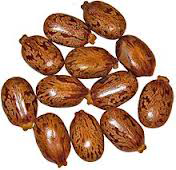 toxic. While reading the newsletter, that same day, while watching the news, it was reported that a “ricin” stained toxic letter was used in a terrorist act here in the US. I researched ricin to find that it is a highly toxic protein obtained from the pressed seeds of the castor-oil plant. This was shocking to me because, in India, 2-3 tbsp. of Castor oil is administered during purgation (virechna) before panchkarma. I was also taught that “Kroor Kosthi” (or hard bowel tendency) requires either 1 tbsp. of castor oil every night or “panchsakar churna.” I am now confused and curious as to what you can say about this? If you could pair your scientific vision with the traditional sutra and shed some light on this matter for me? I would like to know what are the side effects of Castor oil and whether the “Panchsakar churna” is safe for Virechna for “Kroor kosthi” condition. – Jagjit G., NYC.
Dear Jagjit: It is true that many ayurvedic practitioners use castor oil in their practice. Castor oil has been used for many centuries, and continues to be currently used in many cultures to treat various conditions. In general, castor oil has immediate toxicity when used in heavy doses. But it also carries a long-term toxic effect when consumed regularly even in small doses. But that there are ways to use the “intelligence” of castor oil without succumbing to its toxic side-effects. Ayurveda has ways of de-toxifying it so that the physical molecules are present in minimal quantity. In my SVA lineage, we always follow the principle that to help people we should not create any side effects whether after long or short-term use. We do not recommend nor do we use the physical molecules of castor oil in our formulations. The same rule applies to “Panchsakar churna,” which calls for large quantities of Senna leaf that help soften the stool for evacuation for “kroor kosthi” individuals. Because we know that Senna leaf is habit forming, that is: your body learns to depend on it for evacuating the bowel and eventually becomes unable to perform this function on its own when Senna is discontinued. Not to mention that the long-term usage carries deleterious side effects as well.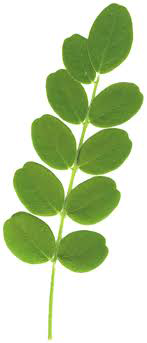
In my opinion, and based on tri-sutra Ayurveda, when you are dealing with a kroor kosthi condition, you must first try to isolate the reason (hetu) for severe constipation. Besides having a genetic predisposition, or prakriti, you can look for additional trigger factors. For instance: stress; poor routine; eating less fiber; drinking less water; eating too much salt; suppressing the urge of bowel movement; eating drying food like too much breads and pasta; having to consume allopathic medicine with may have constipating side-effects; or not doing physical exercise and leading mostly a sedentary lifestyle; consuming less probiotic, etc.
The primary objective always is to isolate the existing etiological factor(s), the trigger factors, so as to be able to address the issue successfully. However, certain additions can counter these trigger factors. In general, there are some across-the-board recommendations that can help all bowel movement tendencies, such as: adding Lassi (or probiotic fresh yogurt drink) to your diet; taking the time to do a vata calming selfmassage; adding more vegetables to the diet for an increase in fibers; consuming only fresh cooked grains and lentils – no leftovers and/or preservatives; using only good salts – ideally Soma Salt, but in less quantities. Other things that can also be done: adding extra ghee or olive oil to your meals; eating more seasonal sweet juicy fruits, etc.
To supplement you diet with herbal formulations, I have put together several classical and SVA family recipes. For example, we have the SVA Lax regular strength and SVA Lax mild strength.1-2 capsules at night before bed can be taken with a big glass of water. In addition, applying Prakrit Transdermal cream on the lower spine and abdomen can help support the bowel movement. Taking care of the colon may seem to be easy when you use castor oil or panchsakar churna, but with little bit of effort and tri-sutra Ayurveda-etiological factors, and addressing the symptoms, you can get good results without running the risk of long-terms side effects.
I choose the ingredients of my formulations very carefully. Triphala, for example, is blended with Aloe vera. Slippery elm is an important ingredient in SVA Lax – a very balanced formula. Castor oil in solutions above 10% or more than 14 grams (equivalent to 1 tbsp.) are known to be toxic. So while it may be efficacious as a laxative when 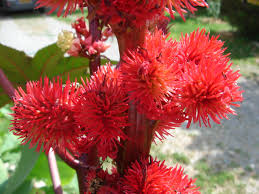 undergoing Panchkarma, long-term usage will prove deleterious. When ricin is ingested it can has an immediate toxic effect (in less than 10 hours) and give symptoms such as: nausea, vomiting, diarrhea and stomach pain. When ricin is in your system and gets inside your cells, it stops them from making the proteins your body needs. This can result in cell death. When ricin is inhaled – this is by far its most immediately toxic form – it is very damaging to the lungs and can cause asthmatic symptoms, chest tightening, shortness of breath, even death. So it is best to avoid it altogether. There are very many other options available. In my lineage, we always addressed this issue very seriously and offered different solutions.
That is why to address the different kinds of bowel tendencies, I have formulated several products, but I always only implement their use after I figure out the “hetu.” So SVA LAX is ideal for kroor kosthi (hard bowel tendency). Prakrit cream and Prakrit tablet contains Haritaki, with the vibrational intelligence of castor oil that helps kroor kosthi and Madhya kosthi (hard bowel and medium bowel tendency). Another is Tri-phala, made from vijaya haritaki the most powerful haritaki, in addition to wild Amalaki, and good Bhibitaki. This is very safe and efficient for Madhya kosthi (medium bowel tendency). Triphala for High-Pitta- very special formula for people with pitta body type or with aggravated pitta. This special formula pacifies pitta and helps to regulate the bowel movement.
It is important, as a practitioner or a householder, to always take care of your colon because “the brain of the brain resides in the colon!” Do not treat your colon as if it is only a pipe. The mucus membrane lining of the colon is quite delicate and we should not disturb that intelligence to ensure that we do not kill or wipe off the yogini-s (friendly bacteria) that populate our gut.
Amla Amazing Fruit
September 11, 2013 by Leave a Comment
Amla Amazing Fruit
Top 25 Benefits of Amla: supports brain, digestion, elimination, lungs, heart, hormonal balance for men and women, the liver, consciousness, and still counting…
SVA Veggie Burger – Quinoa, Spinach and Paneer – with Malvika
September 11, 2013 by Leave a Comment
During the Summer season, agni goes higher in the environment creating more metabolic fire in our physiologies, and if our protein intake is not optimal, the body will crave sugar and cake and shakes and ice-cream and you get the idea… If you want to keep things cool yet trim, here is an easy and delicious vegetarian burger recipe that will take you minutes to assemble and even less to devour! (Recipe details appear at the end of the video)
